Berlin – A groundbreaking study published in Nature is reshaping our understanding of Parkinson’s disease, moving beyond the traditional view of it as solely a movement disorder. Researchers have identified a key brain network, dubbed the somato-cognitive action network (SCAN), whose dysfunction appears central to the development of the disease and its wide-ranging symptoms. This discovery, stemming from collaborative work led by China’s Changping Laboratory and Washington University School of Medicine in St. Louis, offers a fresh avenue for more targeted and effective treatments, potentially improving the lives of the over 10 million people worldwide living with Parkinson’s.
For decades, Parkinson’s disease has been characterized by motor symptoms like tremors, rigidity and slow movement. However, it’s increasingly recognized that the disease manifests in a multitude of non-motor ways, impacting sleep, cognitive function, digestion, and even emotional regulation. This variability has long puzzled researchers, and the identification of SCAN provides a compelling explanation. The network, first described in 2023 by researchers at Washington University, acts as a crucial link between the mind and body, translating thoughts into actions and integrating sensory feedback. Dysfunction within this network, the study reveals, appears to be a common thread connecting the diverse symptoms experienced by Parkinson’s patients.
The research team’s analysis of brain imaging data from over 800 participants – including individuals with Parkinson’s disease, healthy controls, and those with other movement disorders – revealed a consistent pattern: individuals with Parkinson’s exhibit abnormally high connectivity within the SCAN network. This “hyperconnectivity,” as researchers describe it, disrupts the normal flow of information, leading to the constellation of symptoms associated with the disease. Importantly, the study demonstrated that interventions aimed at normalizing activity within SCAN can significantly improve patient outcomes. This finding suggests that Parkinson’s disease is fundamentally a “SCAN disorder,” as stated by co-author Nico U. Dosenbach, a professor of neurology at Washington University in St. Louis.
Unraveling the SCAN: How the Brain Network Works
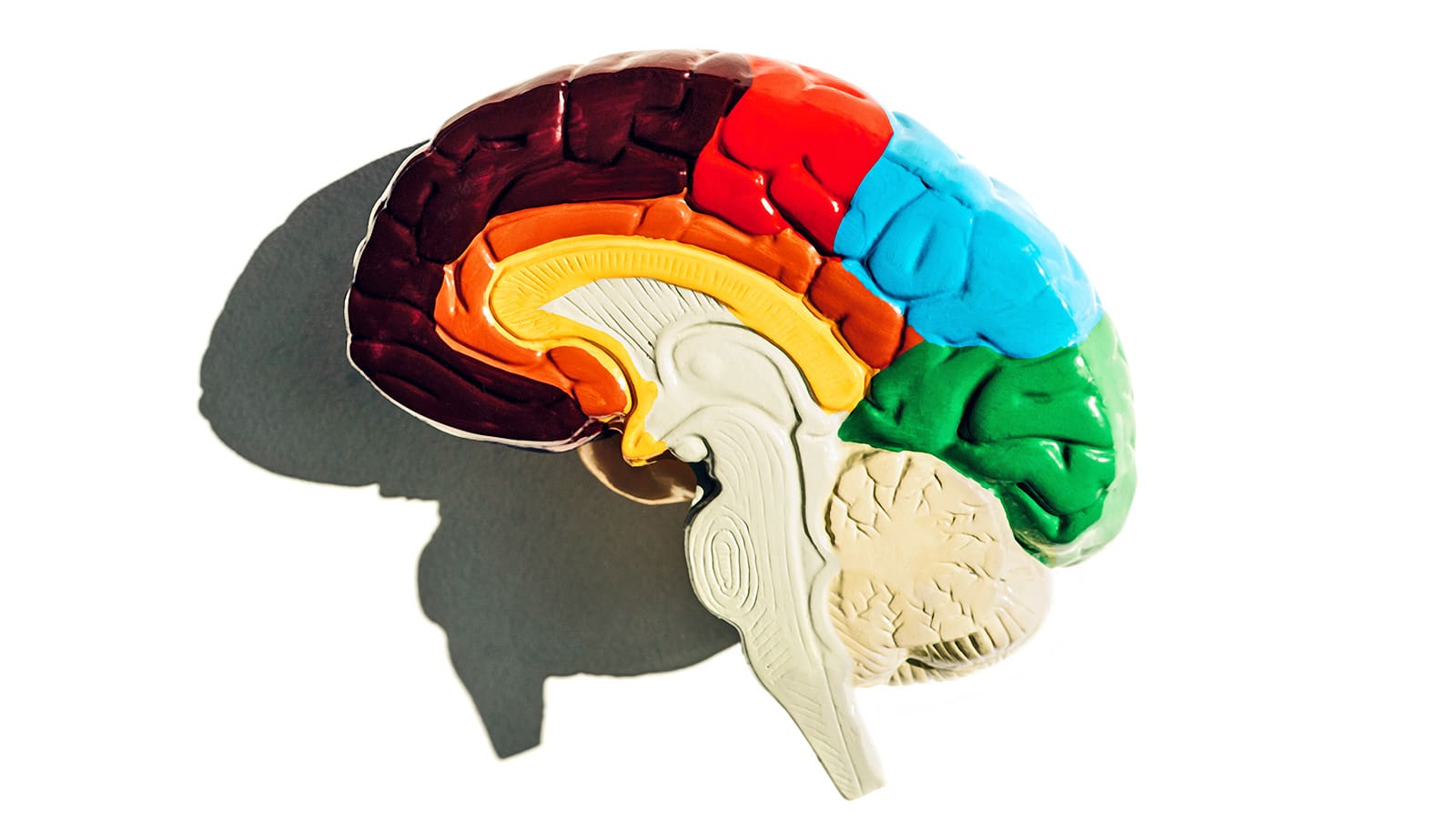
The somato-cognitive action network isn’t a newly formed structure; it’s a previously unrecognized organization of existing brain regions. SCAN resides within the motor cortex, the area of the brain responsible for planning and executing movements. However, its function extends beyond simply initiating physical actions. It’s involved in translating intentions into coordinated movements, monitoring the success of those movements, and adjusting future actions based on feedback. Essentially, SCAN bridges the gap between what we *aim for* to do and what we *actually* do. According to Dosenbach, SCAN is responsible for turning action plans into movements and receiving feedback on how executing those plans went.
Hesheng Liu, the study’s senior author, explained that the team’s investigation into SCAN was prompted by the puzzling array of symptoms seen in Parkinson’s patients. “Patients may be able to walk most of the time but freeze up when a path becomes narrow or someone asks them a question,” Liu noted. These seemingly unrelated challenges pointed to a dysfunction beyond the traditional motor circuits. By examining the interplay between cognitive and motor processes, the researchers hypothesized that SCAN might hold the key to understanding the disease’s complexity.
Targeting SCAN with Non-Invasive Stimulation
The most promising aspect of this research lies in the potential for new therapeutic interventions. The study demonstrated that targeting SCAN with non-invasive brain stimulation – specifically, transcranial magnetic stimulation (TMS) – yielded significantly improved results compared to conventional stimulation methods. TMS uses magnetic pulses to modulate brain activity, and in this case, researchers were able to precisely target SCAN with millimeter accuracy. In a clinical trial involving 36 patients, those receiving SCAN-targeted TMS experienced a 56% response rate after two weeks, more than double the 22% response rate observed in a control group receiving stimulation at adjacent brain areas. This represents a 2.5-fold increase in efficacy.
Transcranial magnetic stimulation (TMS) is a non-invasive procedure that uses magnetic fields to stimulate nerve cells in the brain. The Food and Drug Administration (FDA) has approved TMS for the treatment of major depressive disorder, obsessive-compulsive disorder, and migraine headaches. The FDA provides detailed information on TMS safety and efficacy. The current research suggests that TMS could be repurposed for Parkinson’s disease, offering a less invasive alternative to deep brain stimulation (DBS), a surgical procedure that involves implanting electrodes in the brain.
Implications for Diagnosis and Future Research
The identification of SCAN as a central player in Parkinson’s disease has profound implications for both diagnosis and treatment. Currently, diagnosis relies heavily on clinical observation of motor symptoms, which can often appear late in the disease process. The ability to assess SCAN function through brain imaging techniques could potentially allow for earlier and more accurate diagnosis, even before the onset of noticeable motor symptoms. This early detection could be crucial for initiating preventative measures and slowing disease progression.
Dosenbach and his team are already planning further research to explore the potential of SCAN-targeted therapies. He has co-founded Turing Medical, a Washington University Medicine startup, to develop a non-invasive treatment using surface electrode strips placed over SCAN regions to address gait dysfunction – a common and debilitating symptom of Parkinson’s. Researchers are investigating the leverage of low-intensity focused ultrasound, another non-invasive technique, to modulate SCAN activity. These efforts aim to refine treatment strategies and personalize interventions based on individual patient needs.
Key Takeaways
- SCAN Dysfunction: The study identifies the somato-cognitive action network (SCAN) as a key brain network disrupted in Parkinson’s disease.
- Hyperconnectivity: Parkinson’s is characterized by abnormally high connectivity within SCAN, disrupting brain function.
- TMS Efficacy: Targeting SCAN with transcranial magnetic stimulation (TMS) significantly improved symptoms in a clinical trial.
- Early Diagnosis Potential: Assessing SCAN function could lead to earlier and more accurate diagnosis of Parkinson’s.
- Non-Invasive Therapies: The research opens doors for less invasive treatment options compared to deep brain stimulation.
The findings underscore a critical shift in how we conceptualize Parkinson’s disease. It’s no longer simply a disorder of movement, but a complex network dysfunction impacting cognition, emotion, and a wide range of bodily functions. This new understanding paves the way for a more holistic and personalized approach to treatment, offering hope for improved quality of life for millions affected by this debilitating condition. Researchers are continuing to investigate the intricacies of SCAN and its role in Parkinson’s, with ongoing clinical trials expected to provide further insights in the coming years. The next major checkpoint will be the results of Turing Medical’s clinical trials, anticipated in late 2027, which will assess the efficacy of surface electrode stimulation for gait dysfunction.
What are your thoughts on this groundbreaking research? Share your comments and questions below, and help us continue the conversation about Parkinson’s disease and the future of neurological treatment.
Keep reading