
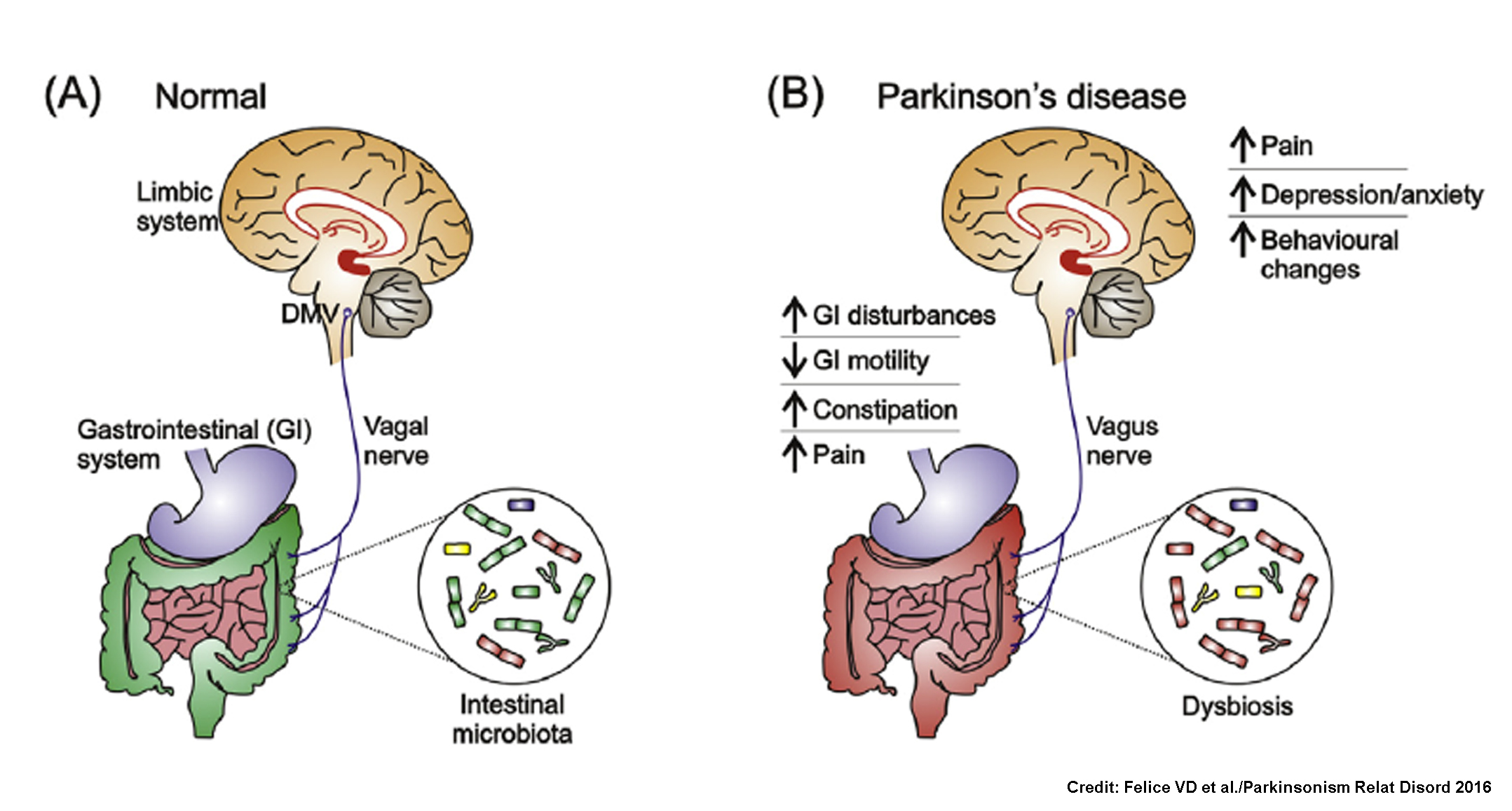
New research continues to strengthen the connection between Parkinson’s disease and the gut microbiome, suggesting that changes in intestinal bacteria may appear years before the onset of motor symptoms. This emerging understanding could transform how clinicians approach early detection and intervention for one of the world’s fastest-growing neurodegenerative disorders.
A study conducted by researchers at University College London (UCL) and published in Nature Medicine analyzed stool samples and clinical data from over 400 participants, including individuals diagnosed with Parkinson’s, asymptomatic carriers of a high-risk genetic variant (GBA1), and healthy controls. The findings revealed distinct differences in gut bacterial composition between those with Parkinson’s or elevated genetic risk and those without, indicating that microbial shifts may precede clinical diagnosis by several years.
Specifically, the researchers identified 176 bacterial species that differed in abundance between Parkinson’s patients and healthy individuals. Of these, 142 species also showed altered levels in asymptomatic GBA1 carriers—a group known to have up to a 30-fold increased risk of developing Parkinson’s—compared to healthy participants. These patterns suggest that the gut microbiome could serve as a detectable biomarker for Parkinson’s risk long before tremors, rigidity, or bradykinesia become apparent.
The study builds on growing evidence that Parkinson’s may not originate solely in the brain but could instead begin in the enteric nervous system or gastrointestinal tract, with pathological changes spreading via the vagus nerve to the central nervous system over time. This hypothesis, often referred to as the “gut-first” theory of Parkinson’s, has gained traction through multiple investigations linking constipation, REM sleep behavior disorder, and altered gut permeability to preclinical stages of the disease.
Experts involved in the research emphasize that while the associations are strong, causality has not yet been established. It remains unclear whether microbial changes drive neurodegeneration or are a consequence of early physiological shifts in the gut environment. Nevertheless, the ability to detect a microbial signature associated with Parkinson’s risk opens possibilities for non-invasive screening tools based on stool analysis.
Such approaches could complement existing strategies under investigation, including blood-based biomarkers and imaging techniques targeting alpha-synuclein accumulation. Early identification remains critical, as current therapies primarily manage symptoms rather than halt disease progression. Intervening during preclinical stages may offer the best chance to delay or prevent debilitating motor decline.
The research team included participants from both the United Kingdom and Italy, enhancing the generalizability of findings across European populations. However, they noted that further studies are needed to determine whether similar microbial patterns exist in other ethnic groups and whether dietary, geographic, or lifestyle factors significantly influence the observed associations.
As scientific interest in the gut-brain axis expands, Parkinson’s disease stands at the forefront of research into how microbial communities influence neurological health. While no microbiome-based diagnostic test is currently approved for clinical use, ongoing longitudinal studies aim to validate whether specific bacterial profiles can predict conversion from preclinical risk to symptomatic disease.
For now, the findings reinforce the importance of considering gastrointestinal health in neurological evaluations and highlight the potential of the gut as a window into early disease processes. Individuals with a family history of Parkinson’s or known genetic risk factors may benefit from discussing monitoring options with their healthcare providers as research advances.
Stay informed about developments in Parkinson’s research and gut health by following updates from peer-reviewed journals and major medical institutions. Share this article to support raise awareness about the evolving understanding of Parkinson’s origins and the promise of early detection strategies.