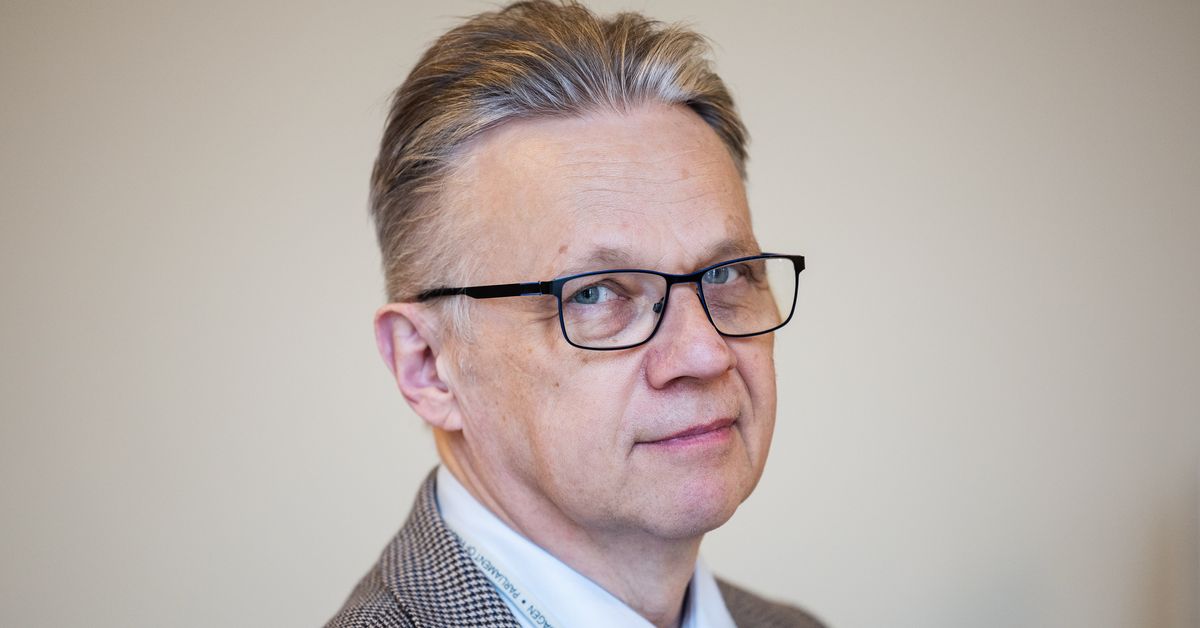
Finnish parliamentary administration has confirmed that Member of Parliament Sofia Virta was advised that the reasons for a lawmaker’s absence do not need to be disclosed to receive a salary, though officials warned that such absences would likely invite public and political scrutiny. The guidance, provided by the Parliament’s administrative director, clarifies the internal protocols regarding attendance and the ongoing compensation of elected representatives in Finland.
According to reports from the Parliament of Finland, the administrative framework governing MP salaries is designed to ensure that representatives can fulfill their duties despite personal or health-related challenges. However, the intersection of these administrative rules and the public expectation of transparency has become a focal point of recent discourse. The guidance issued to Virta’s assistant underscored that while the legal mechanism for payment remains intact regardless of the specific reason for absence, the political consequences of non-attendance remain outside the scope of administrative protection.
Understanding Parliamentary Compensation Rules
Under current Finnish legislation, members of the Eduskunta are entitled to their parliamentary salary and expense allowances as part of their constitutional mandate. The administrative processes within the Parliament are built on the presumption that an MP’s work is continuous and multifaceted, often extending beyond floor debates and committee meetings. Consequently, the internal regulations do not mandate a granular reporting of daily activities or the specific nature of every absence.
The administrative director’s communication to Virta’s office highlighted a critical distinction: the formal right to receive compensation is not contingent upon providing a detailed medical or personal justification for missing specific sessions. By maintaining this policy, the parliamentary administration avoids becoming an arbiter of an individual representative’s private health or personal circumstances. Nevertheless, the warning regarding potential criticism reflects an awareness that voters and political opponents often hold representatives to a higher standard of accountability regarding their public presence.
The Tension Between Privacy and Political Accountability
The situation involving Sofia Virta has prompted a broader discussion on the expectations placed upon Finnish lawmakers. While the administrative side of the Parliament maintains a neutral stance, focusing on the statutory requirements for pay, the political reality is more complex. Transparency advocates argue that because MPs are paid from public funds, the public has a legitimate interest in knowing when and why a representative is unable to perform their duties.
This incident illustrates a recurring challenge in governance: balancing the personal privacy of a public official with the public’s right to monitor the performance of their elected representatives. In the Finnish system, the Parliamentary Ombudsman often serves as the final authority on whether administrative actions align with the law, though no formal inquiry into the specific handling of this case has been announced at this stage. The administrative guidance provided to Virta’s staff serves as a reminder that legal compliance does not automatically equate to political immunity.
Impact on Future Parliamentary Conduct
The guidance issued to Virta’s office is expected to influence how parliamentary assistants handle future inquiries regarding member absences. By clarifying that the administration does not require disclosure, the Parliament has effectively signaled that it will not act as a gatekeeper for personal information. However, the explicit warning about public criticism serves as a de facto advisory to MPs that they must manage their own public relations and transparency strategies independently of the administration.

Observers of Finnish politics note that this case may lead to calls for more formal guidelines regarding how absences are reported to the public. As digital tracking of parliamentary attendance becomes more accessible to the general public, the pressure on MPs to proactively communicate the reasons for their absences is likely to increase. For now, the administrative rules remain unchanged, placing the burden of transparency squarely on the shoulders of the individual representatives.
The next scheduled update regarding parliamentary administrative procedures will be available through the official publications portal of the Eduskunta. Readers interested in the evolution of these policies are encouraged to monitor upcoming committee reports. We welcome your thoughts on the balance between privacy and accountability in the comments section below.
Keep reading
- Why Pension Savings Are Losing Appeal and the Best Alternatives to Consider
- Digital Car Insurance Checks and Highway Traffic Rules
- Mount Nittany Health Warns of Potential Measles Exposure at Pennsylvania Locations (newsdirectory3.com)
- US Intelligence Warns Putin Could Test NATO With Limited Attack (archyworldys.com)