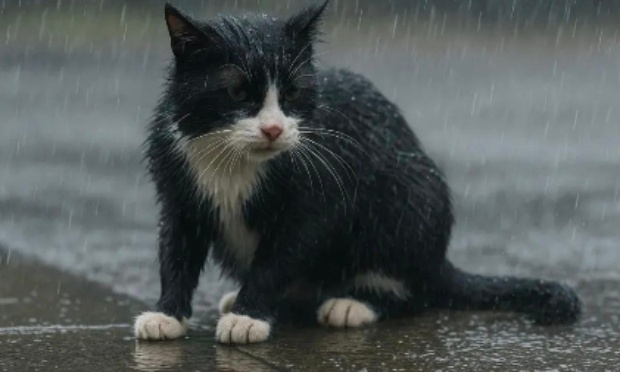
Public awareness campaigns regarding the welfare of stray cats in Wallonia have intensified as residents utilize digital platforms to circulate petitions aimed at improving animal management policies. These initiatives, often shared through social messaging apps and community networks, highlight ongoing debates concerning the sterilization, identification, and registration requirements for domestic and feral cat populations in Belgium’s southern region.
The current legislative framework governing animal welfare in Wallonia is primarily defined by the Walloon Code of Animal Welfare. According to the Walloon Public Service (SPW), the code mandates the sterilization of all domestic cats to control population growth and reduce the number of animals entering shelters. Despite these regulations, local animal welfare organizations and concerned citizens continue to advocate for more robust enforcement and increased funding for municipal sterilization programs to address the persistent issue of stray cat colonies.
Legal Framework and Sterilization Mandates
The management of stray cat populations in Wallonia is not merely a matter of public interest but a legal obligation under regional decree. Since 2017, the law has required cat owners to have their pets sterilized before they reach the age of six months. For stray cats, the responsibility often falls upon municipal authorities, who are tasked with implementing “trap-neuter-release” (TNR) programs to stabilize populations in public spaces.
Data provided by the Walloon government indicates that effective management relies on a combination of mandatory identification via microchip and consistent sterilization campaigns. When these measures are inconsistently applied, local shelters often face capacity crises. Activists argue that the digital petitions circulating online serve to pressure local governments into allocating more budget toward these veterinary interventions, which are essential for long-term population control.
Community Mobilization and Digital Advocacy
The recent surge in online petition sharing reflects a broader trend of civic engagement in Wallonian animal welfare. By utilizing platforms to gather signatures, organizers seek to draw attention to specific municipal failures or the need for regional legislative updates. These efforts are frequently coordinated by grassroots groups who monitor cat colonies and document the health and living conditions of feral animals.
While digital advocacy serves as a tool for public awareness, the tangible impact on policy remains dependent on the Walloon Minister of Animal Welfare’s office, which oversees the implementation of regional directives. Residents interested in the status of current animal welfare policies can consult the official portal of the Walloon Agency for Animal Welfare for updates on legislative amendments and public consultations.
Understanding the Impact on Local Shelters
The correlation between stray cat management and shelter occupancy is a primary concern for animal welfare advocates. When sterilization programs are underfunded, the influx of kittens into shelters increases, placing significant strain on the financial and human resources of non-profit organizations. Many of these organizations operate in partnership with municipalities, yet they often report that current financial subsidies do not cover the full cost of medical care for stray populations.
For citizens looking to support these efforts, the most effective path remains direct participation in municipal programs or supporting certified animal shelters. Official guidance on how to report stray animal concerns is available through the Walloon Public Service website, which provides the necessary contact information for local animal welfare inspectors.
Next Steps in Wallonian Animal Policy
The next major checkpoint for animal welfare policy in the region involves the ongoing evaluation of the Walloon Code of Animal Welfare’s effectiveness in reducing the stray cat population. Stakeholders are currently monitoring upcoming municipal budget meetings, where funding allocations for veterinary services for the next fiscal year will be determined. Residents are encouraged to contact their local council members to express their support for increased funding for sterilization programs.
If you have information regarding local stray cat initiatives or wish to share your perspective on these regional policies, please join the conversation below. Your engagement helps maintain focus on the critical issue of animal welfare across Wallonia.
Worth a look