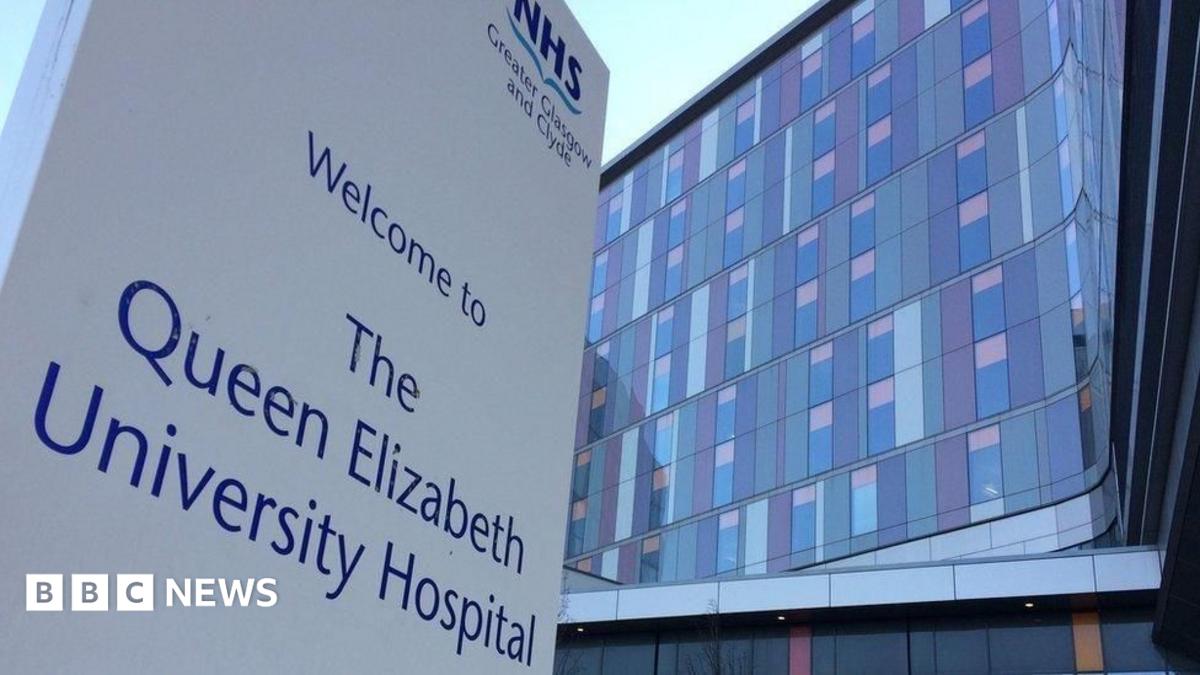
Health officials in Scotland isolated a patient at the Queen Elizabeth University Hospital in Glasgow on Tuesday after a suspected case of Ebola virus disease was reported. NHS Greater Glasgow and Clyde confirmed the patient was admitted during the early hours of the day and immediately placed in a high-security isolation unit to prevent potential transmission.
The hospital activated its strict infection control protocols, which include the use of specialized personal protective equipment (PPE) and restricted access to the affected ward. According to NHS Greater Glasgow and Clyde, the patient is undergoing rigorous testing to determine if the virus is present, though official confirmation of a positive diagnosis has not yet been issued.
Medical teams are currently working with Public Health Scotland to trace the patient’s recent travel history and identify any individuals who may have come into contact with them. The facility remains operational, and hospital administrators stated that the isolation measures are precautionary to ensure the safety of other patients and staff.
How is the suspected Ebola case being managed in Glasgow?
The patient is being held in a dedicated isolation suite designed for highly infectious pathogens. NHS Greater Glasgow and Clyde officials stated that the hospital followed established national guidelines for the management of Viral Hemorrhagic Fevers (VHF). These protocols require the patient to be kept in a negative-pressure room to prevent airborne contaminants from escaping into general hospital corridors.

Staff entering the isolation zone must undergo a stringent donning and doffing process for PPE, which includes fluid-resistant gowns, gloves, and face shields. According to the World Health Organization, Ebola is transmitted through direct contact with the blood, secretions, organs or other bodily fluids of infected people, making strict containment the primary defense in a clinical setting.
What are the risks to the public and hospital staff?
Public health officials maintain that the risk to the general public remains low because the patient was isolated immediately upon admission. Because Ebola is not transmitted through the air like influenza or COVID-19, the risk is primarily limited to those with direct physical contact with the patient’s bodily fluids.
Health authorities are monitoring staff members who were present during the admission process. Under current UK health protocols, any person identified as a “high-risk contact” may be asked to undergo a period of active monitoring for symptoms, such as fever, headache, and muscle pain, for 21 days—the maximum incubation period for the virus.
What happens next in the diagnostic process?
The patient’s samples have been sent to a specialized laboratory for polymerase chain reaction (PCR) testing, which is the gold standard for detecting the Ebola virus. Results from these tests typically take several hours to a few days to process. If the test returns negative, the patient may be moved to a lower-security ward depending on their other clinical needs.

If the test is positive, the case will be escalated to a national emergency level, involving the UK Health Security Agency (UKHSA). This would trigger a comprehensive epidemiological investigation to map all movements of the patient since their last departure from an Ebola-endemic region.
Further updates will be provided by NHS Greater Glasgow and Clyde once the laboratory results are verified. Please share this report and leave your comments below for further discussion on public health protocols.