
As a sports journalist who has spent over a decade analyzing the endurance required for peak human performance, I have developed a deep appreciation for the physical and mental fortitude demanded by extreme environments. In the world of high-stakes athletics, we often speak of “borderline” efforts—the moments where a competitor reaches the absolute limit of their capacity. Yet, there is a different kind of endurance, one far removed from the stadium lights, practiced by those tasked with patrolling the rugged, high-altitude frontiers that define national sovereignty.
The reality of border defense in mountainous terrain is a masterclass in human resilience. Far from the modern comforts of urban infrastructure, patrol units navigate some of the most challenging topography on Earth. These missions, often categorized as border security operations, require a unique blend of tactical precision, physical stamina, and an unwavering commitment to the terrain they are sworn to protect. It is a grueling, daily commitment to maintaining the integrity of remote boundary lines.
The Physics of High-Altitude Patrols
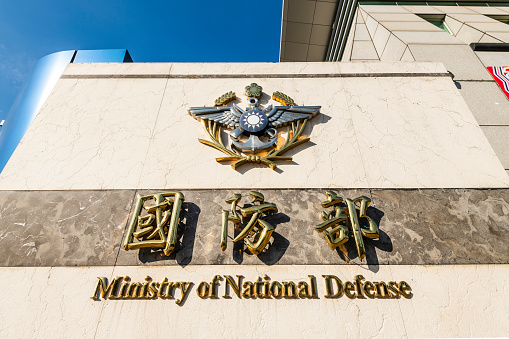
For the personnel stationed in these frontier zones, the environment is the primary adversary. Patrol routes often traverse steep ridges, narrow mountain passes, and variable weather conditions that can shift within minutes. In military and paramilitary logistics, the movement of personnel across such terrain is governed by strict safety and operational protocols. According to the Ministry of National Defense, the maintenance of these remote posts is essential for regional stability and the oversight of territorial borders.
The physical toll on a patrol officer in these regions is comparable to that of an elite endurance athlete. Carrying heavy gear—often weighing upwards of 20 to 30 kilograms—over uneven, high-altitude ground requires a level of cardiovascular conditioning that few possess. The World Health Organization has documented the physiological impacts of high-altitude environments, noting that the combination of reduced oxygen levels and extreme physical exertion places significant strain on the human body, necessitating rigorous training and acclimatization.
Logistics and Tactical Coordination
Patrolling these vast, isolated stretches is not merely a matter of boots on the ground; it is a complex logistical operation. Communication systems must be maintained in areas where signal strength is minimal, often requiring the use of satellite technology and relay stations. The strategic value of these patrols lies in their ability to provide real-time situational awareness in regions that would otherwise remain unmonitored.

The operational framework for such missions typically involves:
- Strategic Reconnaissance: Identifying changes in terrain or unauthorized movement patterns.
- Infrastructure Maintenance: Ensuring that boundary markers and physical barriers remain intact despite harsh environmental exposure.
- Medical Readiness: Maintaining specialized training for emergency response in areas where air support or ground evacuation may be delayed by weather.
By integrating these elements, security forces ensure that the border remains a stable, monitored zone. This level of oversight is a core component of international border management standards, which emphasize the importance of consistent monitoring to prevent illicit activity and ensure territorial integrity.
Human Impact and Institutional Commitment
Beyond the tactical requirements, there is a profound human element to these patrols. For the individuals serving in these units, the border is not just a line on a map; it is a responsibility that defines their daily lives. Interviews with personnel in similar roles often highlight the psychological weight of isolation and the profound sense of duty that keeps them moving forward through the most taxing conditions.
This commitment is reflective of a broader institutional focus on the importance of national security. As government bodies continue to invest in the modernization of border surveillance technology, the human component remains the most critical factor. No sensor or satellite can fully replicate the intuition and adaptability of a trained professional who knows every rock and ravine of their assigned sector.
Key Takeaways for Border Security Operations
Understanding the complexities of frontier patrols requires a look at the intersection of geography, technology, and human endurance. The following points summarize the current operational landscape for these vital security missions:

| Focus Area | Primary Objective |
|---|---|
| Topographical Mastery | Navigating extreme terrain to ensure total coverage. |
| Technological Integration | Utilizing remote sensing and secure communications. |
| Endurance Conditioning | Maintaining physical readiness for long-duration patrols. |
| Protocol Adherence | Following standardized procedures to ensure safety and stability. |
As we look toward the future of border security, the emphasis will undoubtedly remain on balancing advanced technological surveillance with the irreplaceable human element. The dedication shown by those who patrol the high-altitude frontier lines remains a testament to the importance of vigilance in an increasingly complex global environment.
For further information on official border policies and public safety updates, citizens are encouraged to consult the official government portal, which provides the most accurate and up-to-date documentation regarding territorial management and security protocols. We welcome your thoughts on how technology and human effort can best be combined to secure our borders; please feel free to share your insights in the comments section below.