Paul Biya Secures Sixth Term as Cameroon‘s President Amidst Protests and Concerns
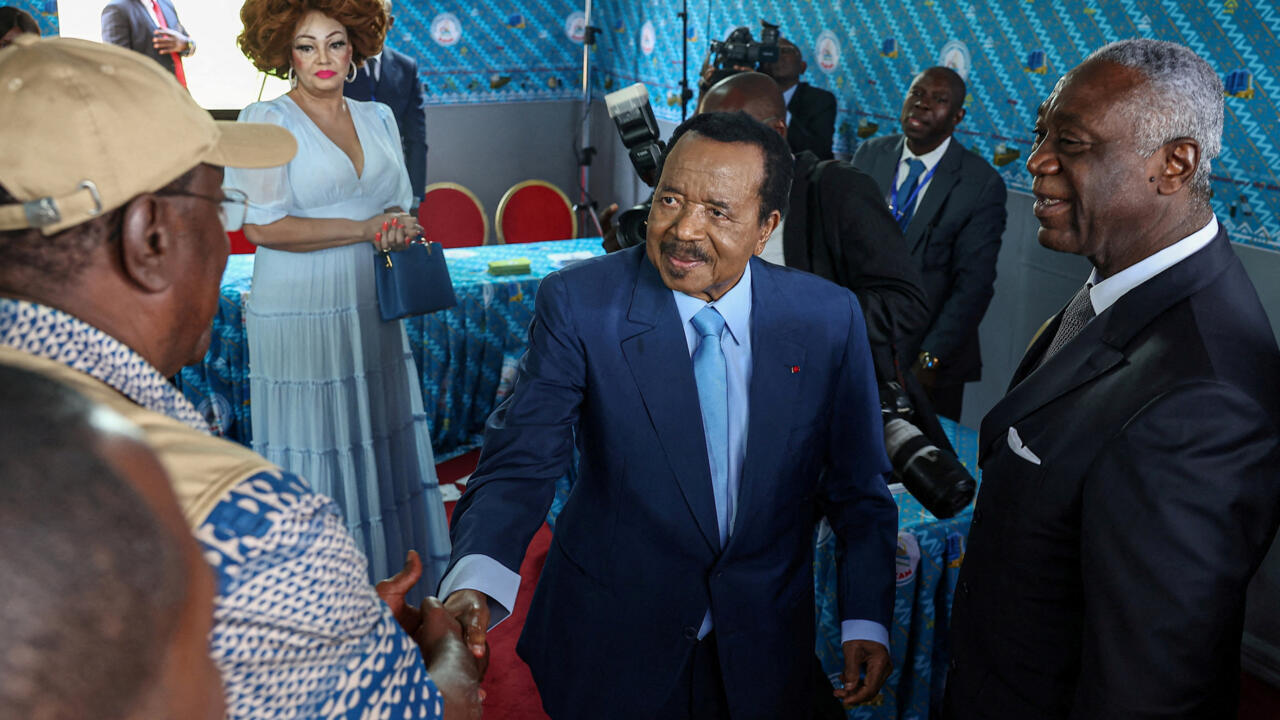
Cameroon’s long-serving President Paul Biya, 92, has been declared the winner of the October 12th presidential election, extending his nearly half-century rule. Official results released by the Constitutional Council show Biya securing 53.66% of the vote, paving the way for him to potentially govern until 2032. This victory, however, arrives against a backdrop of escalating tensions and violent protests, raising questions about the future of the Central African nation.
A Prolonged Reign and Contentious Election
Biya has led Cameroon since 1982, making him the world’s oldest president. His decision to seek another term sparked significant anger, notably among the country’s youth and opposition groups. While his supporters cite stability and experience as reasons for continued leadership, critics point to a lack of economic progress and increasing authoritarianism.
Issa Tchiroma Bakary, a former government minister and Biya’s main rival, garnered 35.2% of the vote. Notably, Tchiroma prematurely declared victory based on his party’s own tallies, a claim swiftly dismissed by the incumbent. This early claim contributed to the already volatile atmosphere surrounding the election.
Post-Election Unrest and Government Response
The announcement of Biya’s win was immediately followed by widespread protests. Tragically, these demonstrations turned deadly in Douala, Cameroon’s economic capital, resulting in the deaths of four protesters. Over 100 individuals were arrested as crowds stormed the streets in multiple cities.
Reports indicate clashes between protesters and security forces, with tear gas deployed and major roads barricaded in cities like Douala, Garoua, and Maroua. Samuel Dieudonne Ivaha Diboua, governor of the Littoral Region, confirmed injuries to security personnel and the arrest of at least 105 protesters.
In the days leading up to the results,dozens of opposition supporters,activists,and leaders were detained.Cameroon’s Minister of Territorial Governance, Paul Atanga Nji, stated that authorities had apprehended individuals allegedly plotting violent attacks. This preemptive action further fueled accusations of political repression.
Understanding the Underlying Tensions
Cameroon, a nation of nearly 30 million people, faces a complex web of challenges. Beyond the political discontent surrounding Biya’s lengthy rule, the country grapples with:
* Economic stagnation: Despite its natural resources, Cameroon struggles with high unemployment and limited economic opportunities, particularly for young people.
* Regional conflicts: The Anglophone Crisis, a separatist conflict in the Northwest and Southwest regions, continues to cause significant instability and humanitarian concerns.
* Allegations of corruption: Concerns about corruption and a lack of openness remain persistent issues, hindering advancement and eroding public trust.
* Limited political freedoms: Critics argue that Cameroon’s political landscape is heavily controlled, with limited space for dissent and independent media.
what Does biya’s Re-election Mean for Cameroon?
Biya’s sixth term presents both opportunities and challenges for Cameroon. While his supporters hope for continued stability, many fear a continuation of the status quo. Key areas to watch include:
* Addressing the Anglophone Crisis: Finding a peaceful resolution to the conflict remains a critical priority.
* Economic diversification: Reducing reliance on oil and promoting enduring economic growth are essential for long-term prosperity.
* Strengthening democratic institutions: Enhancing transparency, accountability, and political freedoms will be crucial for building a more inclusive and stable society.
* Youth engagement: Addressing the concerns of Cameroon’s young population and providing them with opportunities will be vital for preventing further unrest.
Evergreen Section: The Legacy of long-Ruling African Leaders
The situation in Cameroon reflects a broader trend across Africa, where several leaders have held power for decades. This phenomenon raises crucial questions about governance, democracy, and the challenges of political transition. While some argue that long-term leadership provides stability and experience, others contend that it can lead to stagnation, corruption, and a suppression of dissent.
The success of any long-term leader ultimately hinges on their ability to adapt to changing circumstances, address the needs of their people, and ensure a peaceful and democratic transfer of power when the time