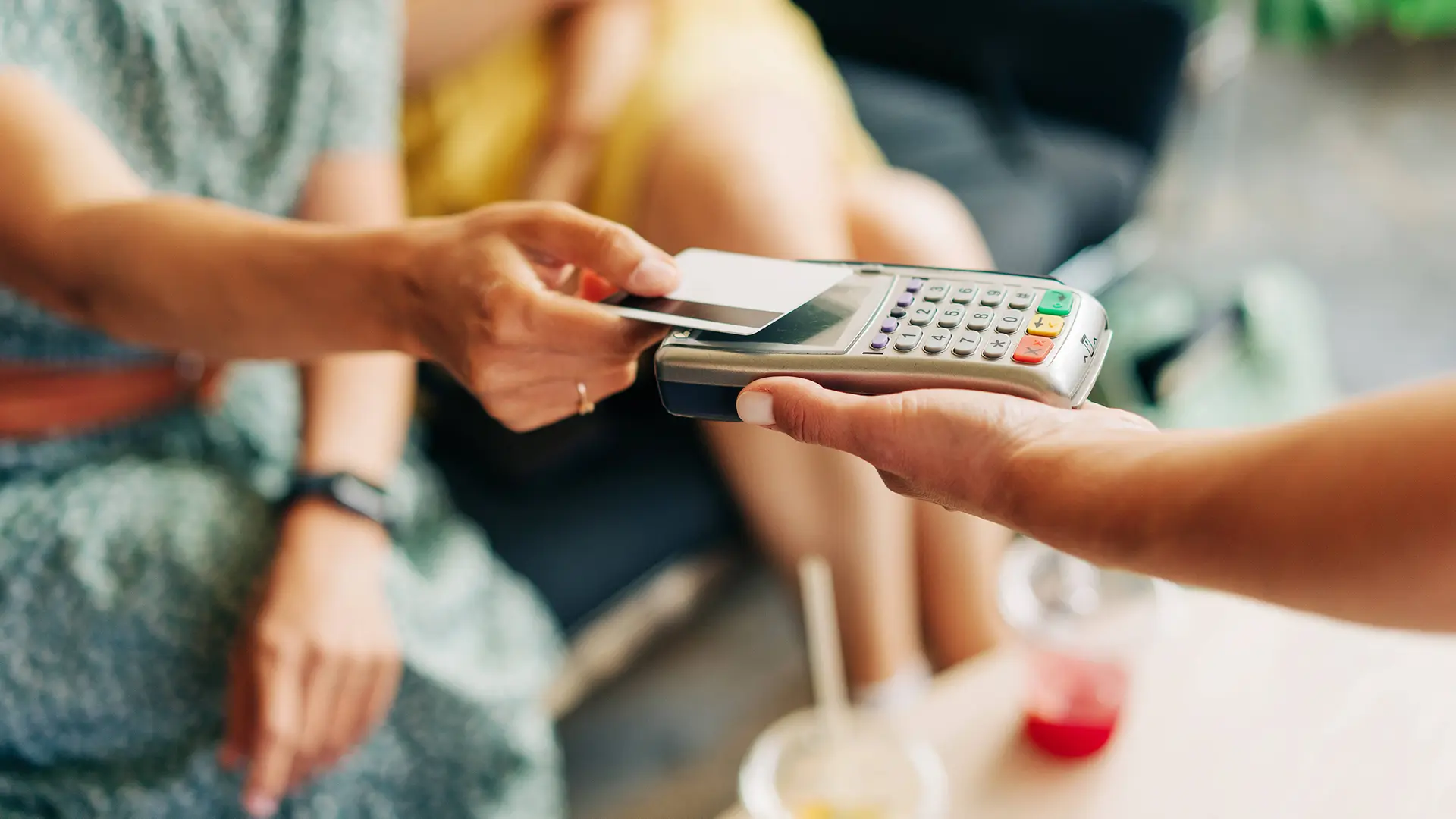
Denmark has transitioned into a predominantly cashless society where credit and debit cards, alongside mobile payment apps, are the primary methods for paying in Denmark. While Danish kroner (DKK) are still legal tender, many businesses, including cafes, shops, and public transport services, no longer accept cash payments, according to travel advisories and Danish financial service reports.
The shift toward a digital economy is driven by high trust in banking infrastructure and the widespread adoption of MobilePay, a smartphone payment app used by the vast majority of the population. Visitors to Denmark generally find that a contactless card or digital wallet is sufficient for nearly all transactions, though carrying a small amount of cash remains a secondary precaution for rare rural locations.
According to data from the Danmarks Nationalbank, the central bank of Denmark, the use of cash has declined steadily as digital payment solutions offer greater efficiency for both merchants and consumers. This systemic move toward “cashless” operations means that some establishments explicitly display “No Cash” signs at the point of sale.
How do payments work in Denmark for visitors?
Most travelers use Visa or Mastercard, which are accepted at almost every terminal across the country. Contactless payment is the standard; customers typically tap their card or phone rather than inserting the card and entering a PIN, especially for small transactions. According to the VisitDenmark official tourism portal, the country is one of the most digitally advanced in the world, making card payments the most reliable option for tourists.

For those using mobile devices, Apple Pay and Google Pay are widely integrated into the payment terminals. However, the local dominant force is MobilePay. While MobilePay requires a Danish phone number and a NemID/MitID (the national digital identity system) to set up a full account, it is the primary method Danes use to split bills or pay small vendors.
The Danish krone (DKK) remains the official currency. While Denmark is a member of the European Union, it has a legal opt-out from the Eurozone. Consequently, Euros are not accepted as standard currency in shops or cafes, though some hotels or high-end tourist boutiques may accept them at a less favorable exchange rate.
What happens if you only have cash?
Finding a merchant that accepts cash in Copenhagen or Aarhus is increasingly difficult. Many smaller cafes and “hole-in-the-wall” eateries have moved to a strictly cashless model to reduce administrative overhead and the risk of theft. If a visitor attempts to pay with cash at a cashless establishment, they will likely be asked to use a card or a digital alternative.
ATM (Hæveautomat) availability remains steady, allowing visitors to withdraw DKK if they prefer physical currency. However, the utility of that cash is limited in the modern retail environment. According to financial guides for Scandinavia, the primary risk of relying on cash is not the lack of ATMs, but the lack of vendors willing to accept the currency.
Why is Denmark moving away from cash?
The transition is rooted in the Danish government’s push for digitalization and the high level of societal trust. The integration of the MitID system ensures that digital transactions are secure and verified. From a business perspective, digital payments reduce the time spent on manual counting and bank deposits.
This trend mirrors a broader Nordic pattern seen in Sweden and Norway, though Denmark has maintained its own currency while its neighbors have pushed even further into the digital realm. The result is a streamlined economy where the physical wallet is becoming obsolete.
Payment Comparison: Cash vs. Digital in Denmark
| Feature | Cash (DKK) | Card/Mobile Pay |
|---|---|---|
| Acceptance | Limited / Declining | Universal |
| Speed | Slow (Change required) | Instant (Contactless) |
| Availability | ATMs available | Requires Bank/App |
| Requirement | Physical notes | Chip, NFC, or Smartphone |
For travelers planning a trip, the most critical action is ensuring their bank card is enabled for international use and supports contactless payments. Checking for foreign transaction fees with a home bank is recommended to avoid unexpected costs during the trip.

The next major evolution in Danish payments is expected to involve further integration of the EU’s digital identity wallet, which may eventually allow non-residents to use similar verification tools as the MitID for more complex digital transactions. Travelers are encouraged to monitor official Danish government updates for changes in payment regulations.
Do you prefer a cashless travel experience, or do you still carry emergency cash when visiting Europe? Share your experiences in the comments below.