
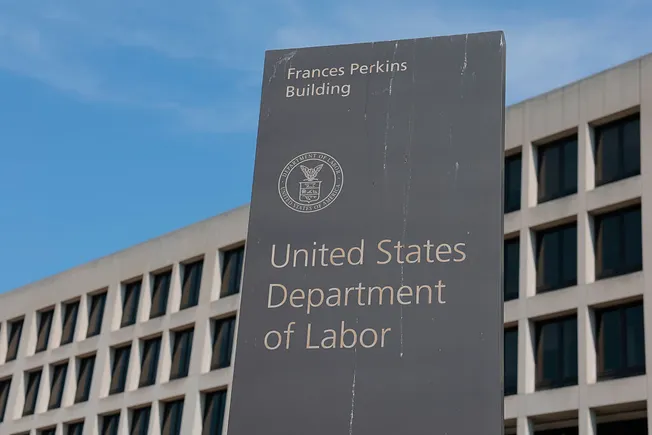
Employers, lawmakers and patient advocacy groups are intensifying pressure on the U.S. Department of Labor to finalize a long-delayed rule that would require pharmacy benefit managers (PBMs) to disclose key financial arrangements with drug manufacturers and health plans. The proposed regulation, aimed at increasing transparency in the pharmaceutical supply chain, has been under review since 2023 and faces strong opposition from PBM industry representatives who argue it exceeds federal authority and could disrupt drug pricing negotiations.
The Labor Department’s proposal, first issued in October 2023, would mandate that PBMs disclose rebates, fees and other compensation received from pharmaceutical companies when administering prescription drug benefits for employer-sponsored health plans covered under the Employee Retirement Income Security Act (ERISA). Supporters say the rule is essential to uncover hidden costs that contribute to rising prescription drug prices, while critics warn it could undermine confidential contracting practices that help lower net drug costs for consumers.
As of mid-2024, the rule remains pending finalization, with stakeholders on both sides submitting thousands of comments during the public comment period that closed in January 2024. The delay has prompted bipartisan concern in Congress, where lawmakers have urged the agency to act swiftly to address what they describe as opaque practices that may inflate out-of-pocket costs for patients.
Stakeholders Call for Greater Accountability in Drug Pricing
Employer coalitions, including the American Benefits Council and the ERISA Industry Committee, have been vocal in urging the Labor Department to move forward with the transparency rule. In a joint letter sent to Acting Secretary Julie Su in May 2024, these groups argued that PBMs currently operate with insufficient oversight, allowing them to retain a significant portion of manufacturer rebates without passing savings onto plan sponsors or patients.
“Employers need to grasp exactly how much PBMs are earning from drug manufacturers in order to evaluate whether their pharmacy benefits are being managed cost-effectively,” said James Gelfand, senior vice president for health policy at the ERISA Industry Committee, in a statement to World Today Journal. “Without this data, plan sponsors are negotiating blind.”
The Pharmaceutical Care Management Association (PCMA), which represents major PBMs including CVS Health’s Caremark, Cigna’s Express Scripts and UnitedHealth Group’s OptumRx, has consistently opposed the rule. In its formal comments submitted to the Labor Department, PCMA argued that the proposal exceeds the agency’s authority under ERISA and would force disclosure of proprietary business information that could harm competition.
“This rule is not about transparency — it’s about government overreach into private contracting arrangements that have helped reduce prescription drug costs for millions of Americans,” said JC Scott, president and CEO of PCMA, in a June 2024 interview with Bloomberg Law. “Forcing PBMs to disclose rebate terms undermines the exceptionally negotiations that lower net prices at the pharmacy counter.”
Legal and Regulatory Hurdles Complicate Finalization
The Labor Department’s authority to issue the rule has been questioned by legal experts and industry groups alike. While the agency asserts jurisdiction under ERISA’s reporting and disclosure provisions, critics contend that regulating PBM rebate practices falls more squarely within the purview of state insurance commissioners or federal agencies like the Federal Trade Commission (FTC).
A May 2024 analysis by the Congressional Research Service noted that although ERISA grants the Labor Department oversight of employee benefit plans, its power to mandate specific financial disclosures by third-party administrators like PBMs remains untested in court. The report highlighted that any final rule is likely to face immediate legal challenges if enacted.
Despite these concerns, the Biden administration has included PBM transparency as part of its broader initiative to lower prescription drug costs. In April 2024, President Joe Biden reiterated his support for reforming pharmacy benefit practices during a White House event on healthcare affordability, calling for “greater accountability” from intermediaries in the drug supply chain.
The Federal Trade Commission has also launched its own investigation into PBM practices, issuing subpoenas to the three largest PBMs in March 2024 as part of a probe into whether their business models may violate antitrust laws. FTC Chair Lina Khan has suggested that opaque rebate structures could contribute to inflated list prices, even as net costs to insurers remain stable.
What the Rule Would Require
If finalized as proposed, the Labor Department’s rule would require PBMs to disclose:
- The total dollar value of all direct and indirect remuneration received from pharmaceutical manufacturers, including rebates, fees, grants and other payments.
- The percentage of those payments that are passed through to employer-sponsored health plans.
- Details on any administrative fees charged to plans for pharmacy benefit management services.
- Information on how formulary placement decisions are influenced by financial arrangements with drugmakers.
The disclosures would apply to PBMs administering benefits for private-sector employer plans covering more than 100 participants, a threshold designed to capture the majority of large-group health plans while exempting smaller employers. The rule would not apply to government programs like Medicare Part D or Medicaid, which are governed by separate regulatory frameworks.
Supporters argue that such transparency would enable employers to better evaluate the true cost of their pharmacy benefits and negotiate more effectively with PBMs. Critics counter that rebates are already factored into premium calculations and that mandatory disclosure could lead to higher administrative costs or reduced innovation in benefit design.
Impact on Patients and Health Plans
The debate over PBM transparency centers on a fundamental disagreement about how drug pricing works in the U.S. Healthcare system. PBMs negotiate with pharmaceutical manufacturers to secure rebates in exchange for placing drugs on favorable tiers of health plan formularies. These rebates can amount to billions of dollars annually.
While PBMs argue that most of these savings are passed on to health plans and ultimately reduce premiums, studies have shown that the share of rebates retained by PBMs has increased over time. A 2023 report by the Government Accountability Office found that PBMs retained an average of 25% of specialty drug rebates in 2020, up from 15% in 2016, raising concerns about whether savings are being fully transmitted to plan sponsors.
For patients, the impact is less direct. Although PBM negotiations can lower the net cost of drugs to insurers, list prices — which often determine patient cost-sharing — continue to rise. This disconnect has fueled calls for reforms that would require a greater share of rebates to be applied at the point of sale, thereby reducing out-of-pocket expenses at the pharmacy counter.
Several states have already enacted laws requiring PBMs to pass through a higher percentage of rebates to consumers or to prohibit certain practices like spread pricing, where PBMs charge health plans more than they reimburse pharmacies for the same drug. As of July 2024, at least 20 states have implemented some form of PBM regulation, according to the National Academy for State Health Policy.
Next Steps and Outlook
The Labor Department has not announced a timeline for finalizing the PBM transparency rule. However, the agency typically reviews public comments and prepares final regulations within six to twelve months after the close of a comment period. Given that the comment period ended in January 2024, a final rule could be expected by mid-to-late 2025, barring further delays or legal interventions.
Until then, stakeholders on all sides continue to advocate for their positions through public comments, congressional outreach and media engagement. Employer groups plan to maintain pressure on the agency, while PBM representatives are preparing legal strategies should the rule move forward.
For the latest updates on the rule’s status, interested parties can monitor the Federal Register at federalregister.gov or search for RIN 1210-AB42, the regulation’s unique identifier in the federal regulatory pipeline.
What do you think about efforts to increase transparency in pharmacy benefit management? Share your perspective in the comments below and help spread informed discussion by sharing this article with others interested in healthcare policy and drug pricing reform.