The gaming landscape continues to evolve, but one trend remains remarkably consistent: the dominance of PC gaming. While console and mobile gaming hold significant portions of the market, the PC platform consistently demonstrates resilience and growth, fueled by technological advancements, a thriving esports scene, and an increasingly diverse library of titles. This sustained success isn’t merely a continuation of past trends; it represents a fundamental shift in how games are developed, distributed, and experienced. The PC gaming market is not just surviving; it’s thriving, and its momentum appears unstoppable.
For years, the debate raged: would consoles eventually eclipse the PC as the primary gaming platform? The simplicity and accessibility of consoles, coupled with exclusive titles, presented a strong challenge. Though, the PC has not only weathered the storm but has emerged as a clear leader in several key areas. This isn’t simply about raw processing power, though that certainly plays a role. It’s about the flexibility, customization, and community that the PC platform offers, appealing to a broad spectrum of gamers from casual players to hardcore enthusiasts.
The Technological Edge: Innovation Drives PC Gaming
One of the primary drivers of PC gaming’s continued success is its relentless pursuit of technological innovation. Unlike consoles, which operate on fixed hardware configurations, PCs are constantly being upgraded with the latest components. This allows for a consistently improving gaming experience, with higher frame rates, more detailed graphics, and support for cutting-edge technologies like ray tracing and virtual reality. The demand for better graphics cards, processors, and storage solutions fuels a competitive market, driving down prices and making high-complete gaming more accessible. According to Statista, the global PC gaming hardware market was valued at approximately $39.8 billion in 2023 and is projected to reach $61.8 billion by 2029. Statista
The rise of cloud gaming services, while initially seen as a potential disruptor, has actually complemented the PC gaming experience. Services like GeForce Now and Xbox Cloud Gaming allow players to stream games to their PCs, eliminating the need for expensive hardware upgrades. This expands the reach of PC gaming to a wider audience, including those who may not have the resources to build or purchase a high-end gaming rig. The open nature of the PC platform allows for greater experimentation with novel technologies, such as advanced audio solutions and haptic feedback devices, enhancing immersion and creating a more engaging gaming experience.
Esports and Streaming: Fueling the PC Gaming Ecosystem
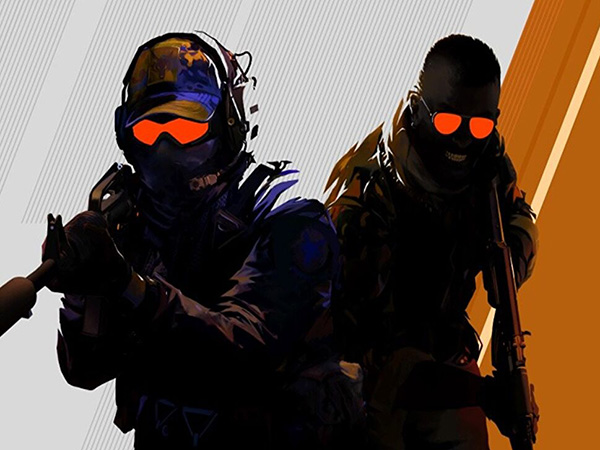
The explosive growth of esports has been inextricably linked to the success of PC gaming. Many of the most popular esports titles, including *League of Legends*, *Counter-Strike 2*, and *Dota 2*, are exclusively available on PC. These games require precise control and high frame rates, making the PC the preferred platform for competitive play. The professional esports scene generates significant revenue through sponsorships, advertising, and ticket sales, further bolstering the PC gaming ecosystem. The global esports market was valued at $1.53 billion in 2023, with PC gaming accounting for a substantial portion of that revenue. Newzoo
Streaming platforms like Twitch and YouTube Gaming have also played a crucial role in promoting PC gaming. Popular streamers often showcase PC games, attracting new players and building communities around specific titles. The ability to interact with streamers and other viewers in real-time creates a social gaming experience that is difficult to replicate on consoles. Streaming provides a platform for independent game developers to reach a wider audience, fostering innovation and creativity within the PC gaming space. Twitch, for example, boasts millions of daily active users, many of whom tune in to watch PC game streams.
The Diversity of the PC Gaming Library
While console exclusives often garner significant attention, the PC gaming library boasts an unparalleled diversity of titles. From blockbuster AAA games to indie gems, the PC platform offers something for every type of gamer. Digital distribution platforms like Steam, Epic Games Store, and GOG.com provide easy access to a vast catalog of games, often at competitive prices. The open nature of the PC platform also allows for modding, enabling players to customize their gaming experience and create new content. This extends the lifespan of games and fosters a vibrant creative community.
The increasing popularity of early access games on PC is another testament to the platform’s flexibility. Early access allows players to purchase and play unfinished games, providing valuable feedback to developers and helping to shape the final product. This collaborative approach fosters a sense of ownership and community, strengthening the bond between developers and players. The PC platform supports a wide range of input devices, including keyboards, mice, gamepads, and joysticks, allowing players to choose the control scheme that best suits their preferences.
The Rise of Indie Games on PC
The PC platform has become a haven for independent game developers. The lower barriers to entry and the availability of digital distribution platforms have allowed indie developers to reach a global audience without the need for traditional publishing deals. Many critically acclaimed indie games, such as *Hades*, *Stardew Valley*, and *Disco Elysium*, have found success on PC, demonstrating the platform’s ability to nurture creativity and innovation. These games often offer unique gameplay experiences and compelling narratives, appealing to players who are looking for something different from mainstream titles.
The success of indie games on PC has also led to a resurgence of retro-style gaming. Developers are creating new games that pay homage to classic titles, appealing to nostalgia and offering a fresh take on familiar gameplay mechanics. The PC platform’s compatibility with emulators allows players to experience games from previous generations, further expanding the gaming library and preserving gaming history.
Challenges and Future Outlook
Despite its continued success, PC gaming faces several challenges. The cost of building or upgrading a gaming PC can be prohibitive for some players. The complexity of PC hardware and software can also be daunting for newcomers. The threat of piracy remains a concern, though digital rights management (DRM) technologies have become more sophisticated in recent years. However, these challenges are being addressed through innovative solutions, such as cloud gaming, pre-built gaming PCs, and improved DRM systems.
Looking ahead, the future of PC gaming appears bright. The continued development of new technologies, such as artificial intelligence and virtual reality, will undoubtedly shape the gaming experience in exciting ways. The growing popularity of esports and streaming will continue to drive demand for high-performance PC hardware. And the unwavering commitment of developers to innovation and creativity will ensure that the PC gaming library remains diverse and engaging. The PC’s adaptability and open nature position it perfectly to embrace these advancements, solidifying its position as the dominant force in the gaming industry. The trend identified by Gamekapocs – the unstoppable dominance of PC gaming – is not simply a prediction, but a reflection of the current state and likely future of the industry.
The next major event to watch will be Computex 2024 in Taipei, Taiwan, from June 4-7, where major hardware manufacturers are expected to unveil their latest innovations in PC gaming technology. This event will provide a glimpse into the future of PC gaming and further demonstrate the platform’s commitment to pushing the boundaries of what’s possible.
What are your thoughts on the future of PC gaming? Share your opinions in the comments below, and don’t forget to share this article with your fellow gamers!
Keep reading