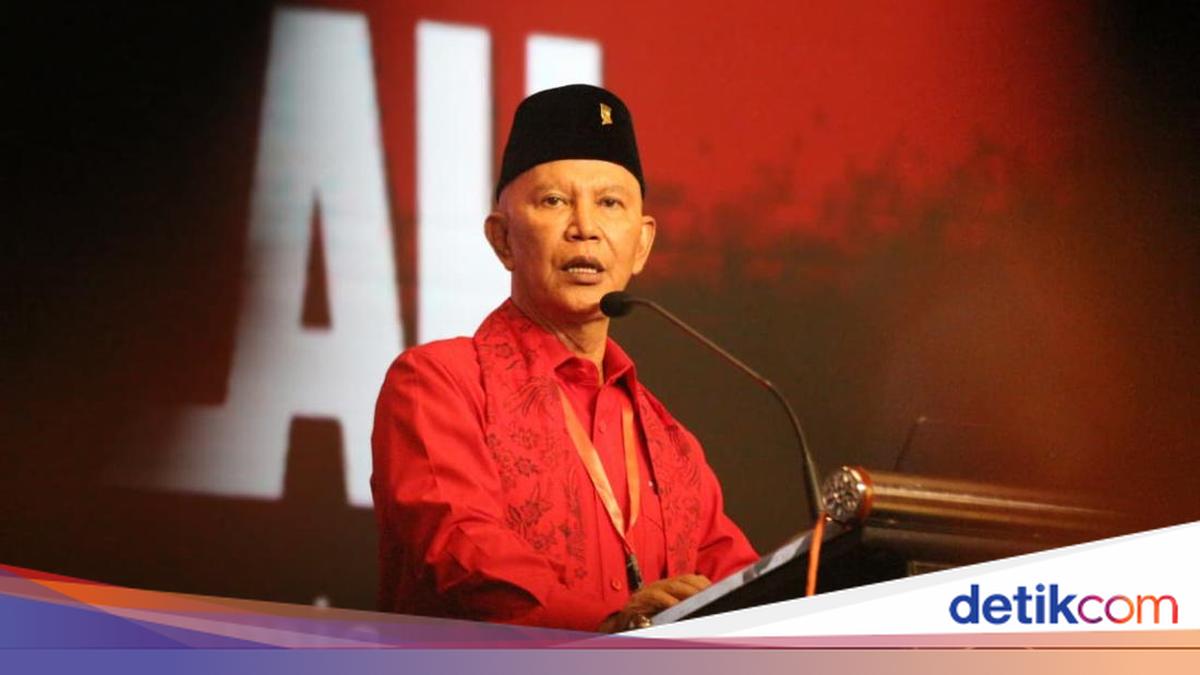
Jakarta – A recent controversy surrounding the funding of Indonesia’s planned free nutritious meal program for schoolchildren has been clarified by key government and parliamentary figures. Said Abdullah, Chairman of the Indonesian House of Representatives’ (DPR) Budgetary Committee (Banggar), has affirmed that the program’s funding, drawn from the national education budget, was approved by both the government and DPR, including all factions, during the 2026 budget deliberations. This confirmation comes after scrutiny from the Indonesian Democratic Party of Struggle (PDIP) regarding the allocation of funds.
The debate centers on President Prabowo Subianto’s flagship “Makan Bergizi Gratis” (MBG), or Free Nutritious Meal, program, intended to improve childhood nutrition across the archipelago. Abdullah’s statement, made on Friday, February 27, 2026, seeks to dispel concerns that the program would diminish funding for other essential educational initiatives. He emphasized that the decision to allocate resources to MBG was a collective one, reached after extensive discussion and agreement between the government and DPR throughout 2025 and 2026, as enshrined in the national budget (APBN).
Budgetary Approval and Cross-Party Support
According to Abdullah, the entire DPR shares responsibility for the budget’s approval and he personally stands by the decision. “We at the DPR, especially myself as Chairman of Banggar, will not back down regarding the MBG budget,” he stated. He further highlighted the program’s importance as a priority for President Subianto, noting that DPR members recognized this during budget discussions. This underscores a commitment to addressing nutritional deficiencies among Indonesian children, a long-standing public health concern. Tribunnews.com reported on this confirmation from Abdullah.
The allocation of funds from the education budget to the MBG program has sparked debate about the potential impact on other educational priorities. However, Abdullah firmly asserted that the program is intended to *enhance*, not detract from, the overall quality of education. He believes the MBG program represents a crucial intervention to improve the health and well-being of students, ultimately contributing to better educational outcomes.
Government Confirmation and Concerns Over Implementation
The confirmation from Abdullah echoes statements made earlier on Friday by Cabinet Secretary (Seskab) Teddy Indra Wijaya. Wijaya addressed the concerns raised by PDIP, explaining that the 20% allocation for education within the national budget – totaling Rp 769.1 trillion in 2026 – was a mutually agreed-upon figure. He clarified that this budget encompasses a wide range of educational expenses, with the MBG program being one component. DetikNews reported on Wijaya’s initial statement.
Wijaya emphasized that the APBN law was the result of a consensus between the government and DPR, including deliberations within Banggar, which is currently chaired by a member of the PDIP faction, Said Abdullah. He stressed that the MBG program is a foundational step towards improving the Indonesian education system. He also directly refuted claims that the program would lead to neglect of schools or teachers, labeling such narratives as “misleading.”
While affirming the budgetary approval, Abdullah also acknowledged the need for careful management of the MBG program. He stated that DPR members had raised concerns regarding the program’s implementation and governance, emphasizing the importance of ensuring effective oversight to achieve its intended goal of improving childhood nutrition. “We provide notes on the governance of MBG. MBG’s governance needs to be improved so that the nutritional intervention intended by President Prabowo can be achieved,” Abdullah explained.
Addressing Implementation Concerns
This emphasis on governance suggests that while the principle of providing free nutritious meals enjoys broad political support, there are reservations about the logistical challenges and potential for mismanagement. Effective implementation will be crucial to ensuring that the program reaches those who need it most and delivers tangible improvements in child health. The DPR’s call for improved governance indicates a desire to proactively address potential issues before they arise.
Political Context and Presidential Priority
The MBG program is a key policy initiative of President Prabowo Subianto, who made it a central promise during his election campaign. The program aims to address widespread malnutrition among Indonesian schoolchildren, which can have long-term consequences for their health, cognitive development, and future productivity. The government estimates that millions of Indonesian children suffer from stunting and other forms of malnutrition, highlighting the urgency of the issue.
The fact that the program enjoys support from across the political spectrum, including the PDIP, despite initial concerns, underscores its perceived importance as a national priority. Abdullah’s statement explicitly links the DPR’s approval of the MBG budget to its support for President Subianto’s broader agenda. This demonstrates a willingness to work collaboratively to address critical social and economic challenges facing the country.
PDIP’s Initial Concerns
The initial scrutiny from PDIP stemmed from concerns that diverting funds from the education budget to the MBG program could negatively impact other essential educational services. However, Abdullah’s confirmation that the program was approved with the full knowledge and consent of all factions suggests that these concerns have been addressed, at least at the budgetary level. Medanbisnisdaily.com reported that Said Abdullah affirmed the entire process was agreed upon.
The ongoing dialogue between the government, DPR, and various political factions highlights the importance of transparency and accountability in the implementation of the MBG program. Regular monitoring and evaluation will be essential to ensure that the program is achieving its intended goals and that funds are being used effectively.
As the MBG program moves forward, attention will likely focus on the details of its implementation, including the selection of food suppliers, the distribution of meals, and the monitoring of nutritional outcomes. The DPR’s call for improved governance suggests that it will play an active role in overseeing the program and ensuring that it delivers on its promise to improve the health and well-being of Indonesian schoolchildren.
The next key development to watch will be the release of detailed implementation guidelines for the MBG program, expected in March 2026. These guidelines will outline the specific procedures for schools and local governments to participate in the program and will provide further clarity on the allocation of funds and the monitoring of outcomes. Readers are encouraged to follow updates from the Ministry of Education and Culture and the DPR’s official websites for the latest information.
Worth a look