Argentina Province Bolsters Pediatric Emergency Care with Expanded CPR Training
Recognizing the critical need for enhanced emergency response capabilities, health officials in Argentina’s Tucumán Province are launching a comprehensive training initiative focused on pediatric cardiopulmonary resuscitation (CPR). The program, spearheaded by Minister of Public Health Dr. Luis Medina Ruiz, aims to equip healthcare professionals, educators, and even the general public with the skills necessary to respond effectively to life-threatening situations involving infants and children. This effort comes as hospitals prepare for the increased demands typically seen during the winter season, a period marked by a surge in pediatric emergency room visits.
The initiative isn’t simply about adding another training session to already-busy schedules. It’s a strategic, multi-tiered approach designed to standardize care across the province and ensure that every child, regardless of location, receives a consistent and high-quality level of medical attention. The focus on pediatric CPR is particularly vital, as techniques differ significantly from those used on adults, requiring specialized knowledge and practice. According to the American Heart Association, effective CPR can double or triple a person’s chance of survival after cardiac arrest, highlighting the importance of widespread training. Learn more about CPR from the American Heart Association.
Dr. Medina Ruiz emphasized the importance of a unified approach, stating the goal is to ensure all hospitals operate under the same national and international guidelines. This standardization will be achieved through collaborative efforts with leading pediatricians and neonatologists from hospitals across the province, including the Hospital del Niño Jesús and the Hospital Avellaneda. The program’s initial phase will concentrate on doctors working in pediatric emergency rooms, followed by an expansion to include teachers, school personnel, and first responders, ultimately extending CPR training to the broader community.
Phased Rollout: From Hospitals to the Community
The training program will be implemented in stages, beginning with “third-level” healthcare facilities – typically larger, more specialized hospitals – before extending to “second-level” and “first-level” facilities, such as smaller regional hospitals and clinics. This tiered approach reflects the understanding that the majority of pediatric consultations within Tucumán Province occur at the primary care level. Dr. Patricia Villagra, Coordinator of Pediatric and Neonatal Emergency Guards in the province, explained that this strategy ensures that the most accessible points of care are adequately prepared to handle critical situations.
“We are starting with the most complex facilities and then extending to the second and first levels of care, keeping in mind that the majority of consultations throughout the province are pediatric,” Dr. Villagra stated. “The goal is to reinforce the ongoing training and updating of health teams, particularly professionals working in pediatrics.”
The initiative builds upon existing efforts coordinated through the Teaching Committee of the 107 Emergency System, but Dr. Medina Ruiz stressed the need to deepen and broaden the program’s reach. This expansion will be crucial in areas with high population density, where the potential for emergencies is greater. The focus on community education is a significant step towards creating a network of individuals equipped to provide immediate assistance before professional medical help arrives.
Addressing a Critical Need: Unique Expertise in Rare Diseases
While the CPR training initiative addresses immediate emergency response, Tucumán Province is also making strides in long-term pediatric healthcare through specialized services for children with rare diseases. On February 28, 2026, officials commemorated the Day of Rare Diseases, highlighting the province’s unique position as the only one in Argentina with a dedicated clinic for these conditions. Contexto Tucuman reported on this specialized service.
Dr. Medina Ruiz underscored the province’s commitment to providing comprehensive care for these vulnerable patients. “We are a blessed province that has first-rate professionals who are specialists in rare diseases with a vocation for service to provide quality care to these patients,” he said. The clinic, led by Dr. Mariana Leguizamón, focuses on diagnosing and managing these complex conditions, often providing access to expensive treatments that would otherwise be unavailable. Currently, the clinic has diagnosed and is treating approximately 350 patients.
The availability of this specialized clinic is a testament to the provincial government’s investment in healthcare infrastructure and its dedication to addressing the needs of all its citizens. As Dr. Inés Gramajo, director of the Children’s Hospital, noted, “We are proud to know that we are the only province that has a constituted clinic for rare diseases.”
Collaboration and Protocol Standardization
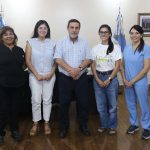
The success of the CPR training and rare disease initiatives hinges on strong collaboration between hospitals and healthcare professionals. Representatives from hospitals such as Niños and Eva Perón participated in meetings with Minister Medina Ruiz to unify care criteria and establish standardized procedures for critical situations. This collaborative approach aims to ensure that all hospitals operate under consistent protocols, leading to more effective and coordinated responses to emergencies.
Dr. Elisa María Saus, Coordinator of the Emergency Guard at the Children’s Hospital, explained that a project is underway to train doctors, nurses, and kinesiologists in advanced CPR techniques specifically tailored for neonates and pediatric patients. “The idea is to create a project to teach CPR to doctors, nurses and kinesiologists from the pediatric guards of the province. The objective is to be able to train all health professionals to perfect the technique on CPR, which is cardiopulmonary resuscitation in neonatal and pediatric patients,” she stated.
Dr. María Jimena Maccio, Head of the Neonatology Service at Eva Perón Hospital, emphasized the importance of well-trained teams in providing appropriate initial care to critically ill patients. She highlighted that CPR training is a key component of the service offered to children arriving at the emergency room. The initiative arose from a recognized need not only in larger hospitals but also in various locations throughout the province, reinforcing the commitment to equitable access to quality healthcare.
Key Takeaways
- Tucumán Province is implementing a comprehensive CPR training program for healthcare professionals and the public, with a focus on pediatric techniques.
- The initiative will be rolled out in phases, starting with larger hospitals and expanding to smaller facilities and community members.
- The province is unique in Argentina for offering a dedicated clinic for children with rare diseases, providing specialized diagnosis and treatment.
- Collaboration between hospitals and healthcare professionals is crucial for standardizing care and improving emergency response.
The implementation timeline for the CPR training program is ambitious, with plans to initiate between this month and next, aiming to reach all pediatricians in need of updated training. This proactive approach underscores the province’s commitment to safeguarding the health and well-being of its youngest citizens. The ongoing dedication of Minister Medina Ruiz and the collaborative spirit of the healthcare community are vital to the success of these initiatives.
For more information on CPR training and emergency preparedness, please visit the website of the Argentine Red Cross: https://cruzrojaargentina.org.ar/. We encourage readers to share this article and engage in a discussion about the importance of pediatric emergency preparedness in the comments below.
Keep reading