ahood
2026-01-26 15:56:00
Updated January 26, 2026 04:37PM
Is pro racing ready for a crash-triggered airbag?
The technology is a lot closer than you think.
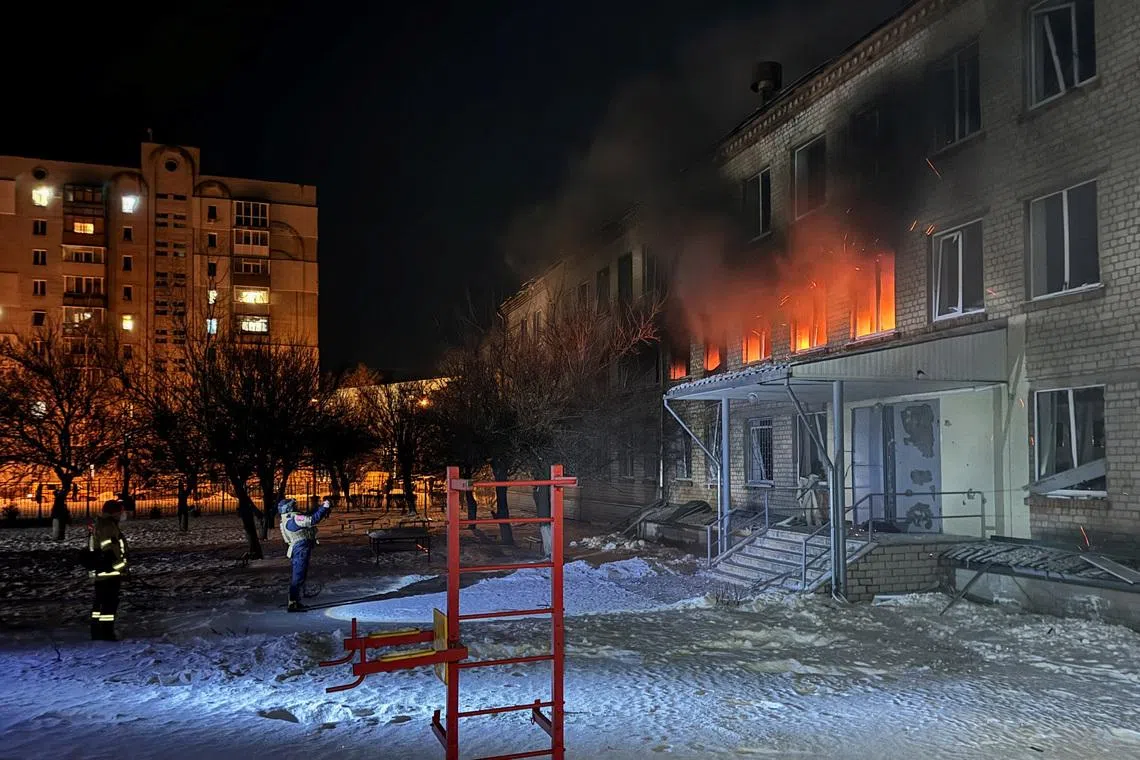
After watching too many of cycling’s biggest names left maimed and injured, a small circle of engineers, safety specialists, and tech weenies at Aerobag is developing a working model of a race-specific airbag system that could be peloton-ready by 2027.
The idea is simple: Place a CO₂ cartridge with a built-in airbag onto a rider’s back, and program it so that it inflates in a fraction of a second into a four-inch air cushion to blunt the impact of a high-speed crash.
In a sport overflowing with safety hazards, with top pros descending at 100kph-plus with little more than Lycra protecting their bodies, some say it’s a concept that’s long overdue.
“The helmet didn’t protect riders from everything, and the airbag won’t either,” said Piet Rooijakkers, the R&D lead at Picnic-PostNL. “But in the end, the helmet had a big impact. [Airbags] won’t cover everything, but it has the potential to be as big as the helmet.”
Crashes are the brutal reality in pro racing. It’s not a question of if, but rather when and how often.
The sport is trying to reduce the risk with improved barriers, revised race protocols, and better signage and warnings, yet compared to other elite sports, pro bike racing remains one of the most dangerous in the world.
Severe, race-ending injuries, or sometimes even death, are far too common. Other sports — including MotoGP, alpine skiing and enduro — have already adopted similar airbag technology. Cycling could be next.
Rooijakkers is working closely with a design team at a Belgian-based company that’s building out the Aerobag that incorporates airbag technology for peloton-ready racing.
If progress continues in testing and development, backers say the airbags could be in the pro peloton by 2027.
The real question is, if it works, would you or the top-level pros wear one?
What is it and how does it work?
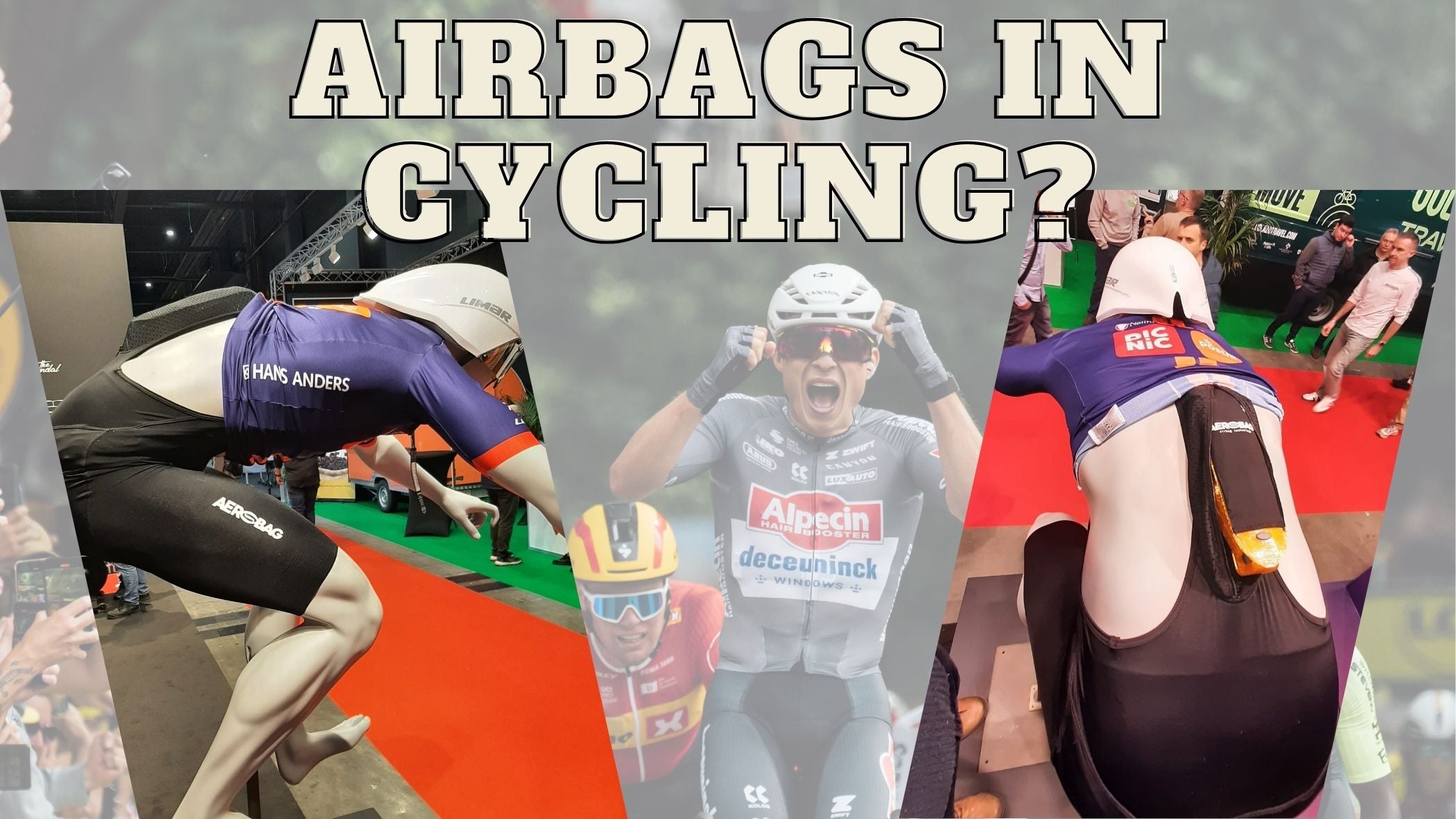
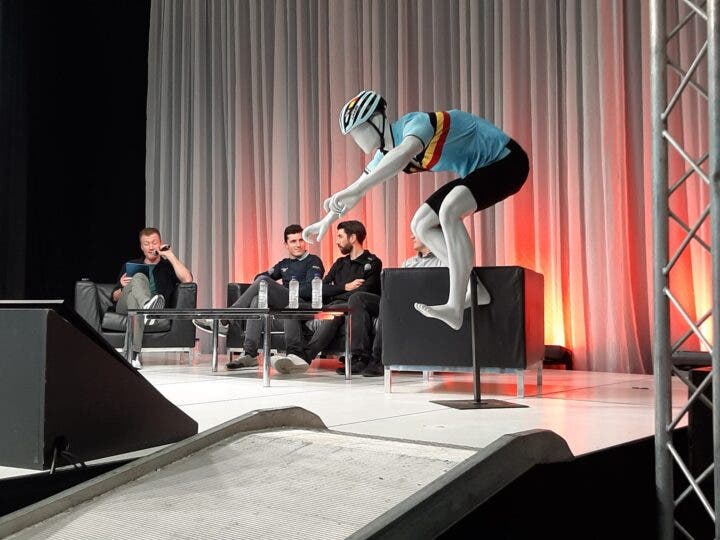
The Aerobag system made a big splash last week when it was unveiled at Velofollies, a Belgian trade show. Aerobag engineer Bert Celis told Sporza they’ve been working on the prototype for nearly two years.
The concept is simple yet wildly complex.
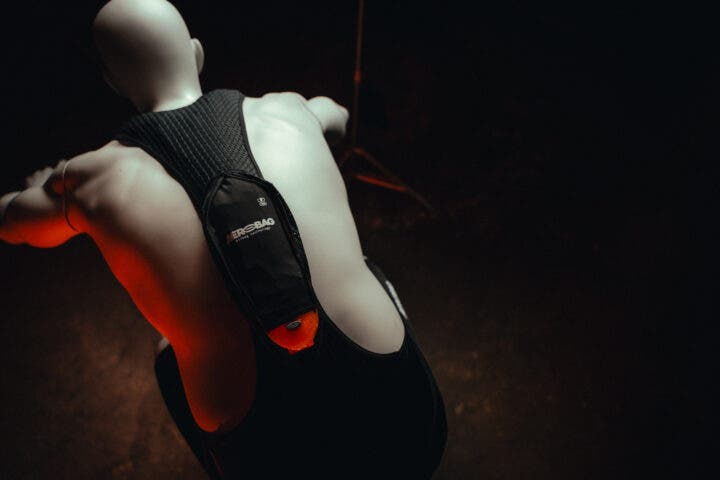
A flattened, loaf-sized cartridge sits on the back of a cyclist. When triggered by a sudden crash, the system inflates an airbag that protects the back from the neck and shoulders down to the hips, creating up to 9cm of cushioning in fractions of a second.
“An electronics module is located on the back of the rider that detects if a rider is about to fall,” Celis told Sporza. “That then sends a signal to a CO₂ cartridge.”
It won’t prevent injuries altogether.
Arms, legs, and the front torso are not protected under the current design, but compared to bare Lycra and little else, it could dramatically soften the blow of a high-speed impact, especially in the critical spinal and neck areas along the back.
The real challenge now for engineers is to finesse the right triggering moment.
Nobody wants an airbag firing when Jonathan Milan is in the argy-bargy battle for position in a bunch sprint or while Mathieu van der Poel is cornering into the cobbled chaos of the Carrefour de l’Arbre.
The system relies on an algorithm that reads data across three axes: speed, trajectory, and rotation. The idea is that a sudden deceleration, combined with violent rotation, would signal a true crash scenario.
“It contains several sensors that detect, for example, the angle of the back or rotational acceleration,” Celis told Sporza. “A rider who simply slides on the asphalt won’t trigger the system. If he then flies over the guardrail, it will.”
After inflation, the system is designed to be reusable. Riders can continue moving, and the air gradually releases. After a few seconds to deflate — about 10 to 20 seconds according to Celis — the rider would be able to continue.
Most heavy falls result in forced stops much longer than that anyway. And designers say that the cartridge would be able to reset, allowing the racer to continue, and even trigger again if they’re involved in another spill.
So far, so good.
Weight, drag, and costs are real
Working prototypes are already being tested.
Engineers are using 3D modeling to improve the triggering device, and real-time testing with humans deliberately crashing into foam pads to test its reliability and efficiency will come later, Rooijakkers said.
How soon until we see it on the road?
“I would say next season,” Rooijakkers said in a media call that included Velo. “We also need a good agreement with the UCI so that we’re allowed to race with it. Knowing all of that, in practice it could take a whole season, but we hope to be able to train with it on much shorter notice.”
There could be a few practical roadblocks, however, that could derail quick acceptance at the highest level of WorldTour competition.
First off is weight. In a peloton where riders obsess over just a handful of grams, the current prototype adds about 600 grams. That’s like strapping a full water bottle to a rider’s back and asking them to forget about it.
“The engineers at Aerobag have ideas to reduce the weight, but the first focus is to get it operational in a good way,” Rooijakkers said. “After that, we can look at the smaller details.”
Heat retention and breathability are other concerns, and so is comfort. The early prototypes are fitted inside a team kit, meaning that it might look like a Camelback hydration system or a race radio strapped onto a rider’s back.
“When I wore it, the bibs were not tailor-made, and still we would have forgotten about it after 15 minutes,” Rooijakkers said. “The comfort issues are weight, sweating, maybe a bit of discomfort here and there. I can’t think of many more.”
There’s also a danger that a rider could be injured if they crash on the cartridge and it does not trigger.
Cost, however, may be the biggest barrier.
At around €700 per unit, the Aerobag is expensive, but it’s built to be reusable. Riders can remove the system after a ride, wash their kit, and insert it into another pair of bibs.
“Your bibs wear out after 50 rides,” Rooijakkers said. “But you don’t need to buy a new airbag.”
Added safety could be worth the price of admission, at least for some. Rooijakkers said it’s a balancing act between performance and safety.
“What’s crucial for performance and bad for health? That’s breaking a bone,” he said.
More than for the WorldTour
Though the prototypes are designed for elite racers, Picnic-PostNL thinks the real entry point could be among other segments of the racing and riding community.
Picnic-PostNL plans to introduce Aerobag voluntarily in training, starting with its development squad of juniors and U23 riders.
“We develop our riders broadly,” Rooijakkers said. “Maybe they can also grow up with an item like an airbag in training so they might want to try it in a race. And when they get to the WorldTour, they’re already used to it.”
Beyond the pro ranks, the potential users could include amateurs, criterium and kermesse specialists, bike messengers weaving through city traffic, and even food-delivery riders on e-scooters.
Recreational and touring cyclists could follow, though the algorithm would need adjustment for lower, less violent speeds.
Cycling has already seen some creative innovations in airbag technology, with inflating helmets from Hövding, a backpack system from EVOC, and even airbag-equipped pants designed to protect legs and hips for commuters and urban riders.
The Aerobag project is unique because it’s designed for elite pro athletes in mind.
Not quite there yet
Right now, there is no formal framework within UCI regulations for airbag use in pro racing.
The UCI is being updated on progress, but is not directly involved, meaning that any approval will come only after extensive testing, officials said.
“Regulations would be nice, but I’d rather have the first riders using it voluntarily than making it mandatory for everybody,” Rooijakkers said. “That would be the best victory.”
Real-world crashes underscore why the airbag concept might eventually be accepted in the elite peloton.
Incidents like the 2024 Itzulia Basque Country high-speed crash, where riders including Jonas Vingegaard, Jay Vine, and Remco Evenepoel slammed into a concrete ditch, raise the urgency for new safety measures.
Better course design and risk management might reduce crashes, but they will never eliminate them.
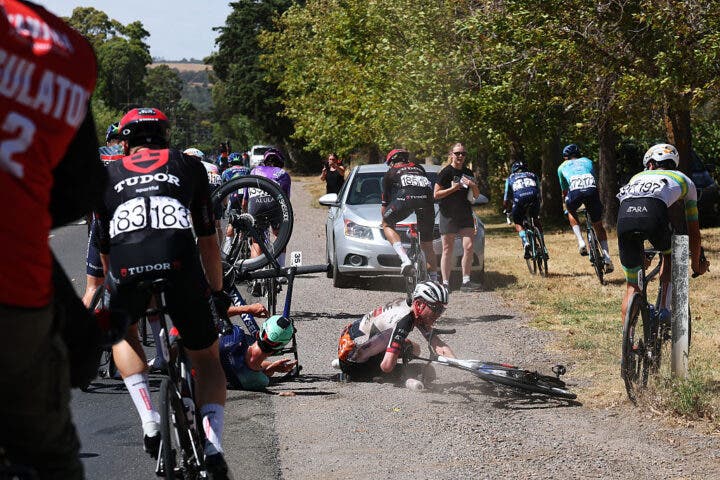
Of course, it’s impossible to say when a crash might happen. Riders can go an entire season without a major mishap and then have a kangaroo bound onto the race course, just like what happened at the Santos Tour Down Under this weekend.
Can airbags add another layer of safety? Yes.
Pros might be hesitant because weight, aerodynamics, and heat all matter at the highest level of performance.
But concern inside the peloton about safety is growing louder by the season.
Will we see Tadej Pogačar or Lotte Kopecky racing in the airbags next season?
Not right away. Using the airbags during training camps and continued testing will be the first step.
Would you ride in one?