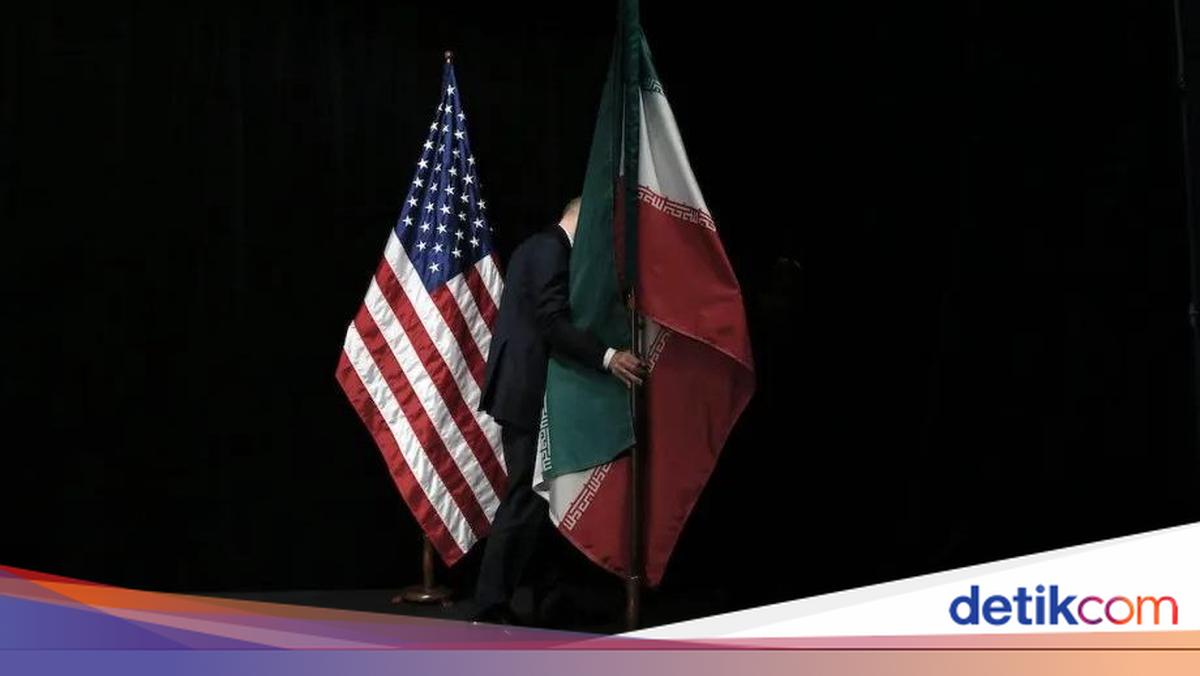
Diplomatic efforts to address ongoing tensions between the United States and Iran have entered a new phase, with officials in Qatar and Pakistan facilitating renewed discussions aimed at de-escalation. These back-channel communications follow a period of heightened rhetoric and regional instability, focusing on core security concerns including nuclear transparency and the security of maritime transit routes in the Persian Gulf, according to reports from international diplomatic observers.
The involvement of Doha and Islamabad as intermediaries underscores the complex nature of the current geopolitical climate. While the U.S. government has maintained a policy of “maximum pressure” and sanctions, recent administrative shifts in Washington have prompted renewed scrutiny over the potential for a formal memorandum of understanding or a more structured framework for dialogue. As of mid-2024, the U.S. Department of State has emphasized that it remains open to diplomacy while continuing to enforce existing sanctions regimes, as detailed in official policy statements regarding Iran.
The Role of Regional Mediators in U.S.-Iran Relations
Qatar and Pakistan occupy distinct strategic positions that allow them to serve as conduits for communication between Washington and Tehran. Qatar, which has historically played a significant role in hosting negotiations, maintains open lines of communication with both capitals. Similarly, Pakistan’s role is frequently cited in the context of its long-standing diplomatic ties and its function as a protecting power for U.S. interests in Tehran, a status established through the Swiss embassy in Iran, as noted by the Federal Department of Foreign Affairs of Switzerland.
These mediation efforts are not merely symbolic; they are intended to mitigate the risk of accidental military engagement. The Strait of Hormuz remains a primary focus of these talks, as it is a critical chokepoint for global energy supplies. Any disruption in this area carries immediate global economic consequences, making the establishment of a “de-confliction” mechanism a priority for both regional and international stakeholders.
Addressing Nuclear Transparency and Regional Security
Iran has signaled a willingness to engage on the topic of its nuclear program, with government spokespersons repeatedly asserting that the country’s intentions remain peaceful and centered on civilian energy production. However, these claims are met with skepticism by members of the U.S. Congress, some of whom have called for greater transparency and legislative oversight regarding any potential agreements or memorandums of understanding, as reported by international news wire services tracking nuclear non-proliferation efforts.

The intersection of these talks with the ongoing conflict in Lebanon adds another layer of complexity. Tehran’s influence over regional proxies remains a central point of contention for U.S. policymakers. The Biden administration has consistently signaled that a return to any form of nuclear agreement is contingent upon Iran’s commitment to regional stability and the cessation of support for militant groups operating outside of sovereign state control, according to White House briefings on Middle East security.
Legislative Oversight and Domestic U.S. Policy
Within the United States, the executive branch’s approach to Iran is subject to intense domestic political debate. Certain senators have demanded that any informal understandings reached through mediation be submitted to Congress for review. This demand stems from a desire to prevent the circumventing of the legislative process, particularly concerning the lifting of sanctions or the release of frozen assets.
The U.S. Constitution provides Congress with specific powers regarding foreign policy and the oversight of executive agreements. The debate over whether current discussions constitute a “treaty” or an “executive arrangement” is a recurring theme in Washington. Legal analysts note that the distinction often hinges on the legal weight and longevity of the commitment, as outlined in the Congressional Research Service reports on international agreements.
What Happens Next?
The immediate future of these talks depends on the ability of mediators to bridge the gap between U.S. demands for verifiable nuclear constraints and Iran’s requirements for sanctions relief. Observers expect the next checkpoint to be the upcoming session of the International Atomic Energy Agency (IAEA) Board of Governors, where technical reports on Iran’s enrichment activities will be reviewed. Any progress in the Doha or Islamabad-led tracks will likely be measured against these technical benchmarks.
As these diplomatic channels remain active, the international community continues to monitor for signs of a breakthrough. For those interested in following these developments closely, official updates are periodically released via the United Nations Security Council regarding regional peace and security initiatives. Readers are encouraged to share their perspectives on these developments in the comments section below.
Related reading