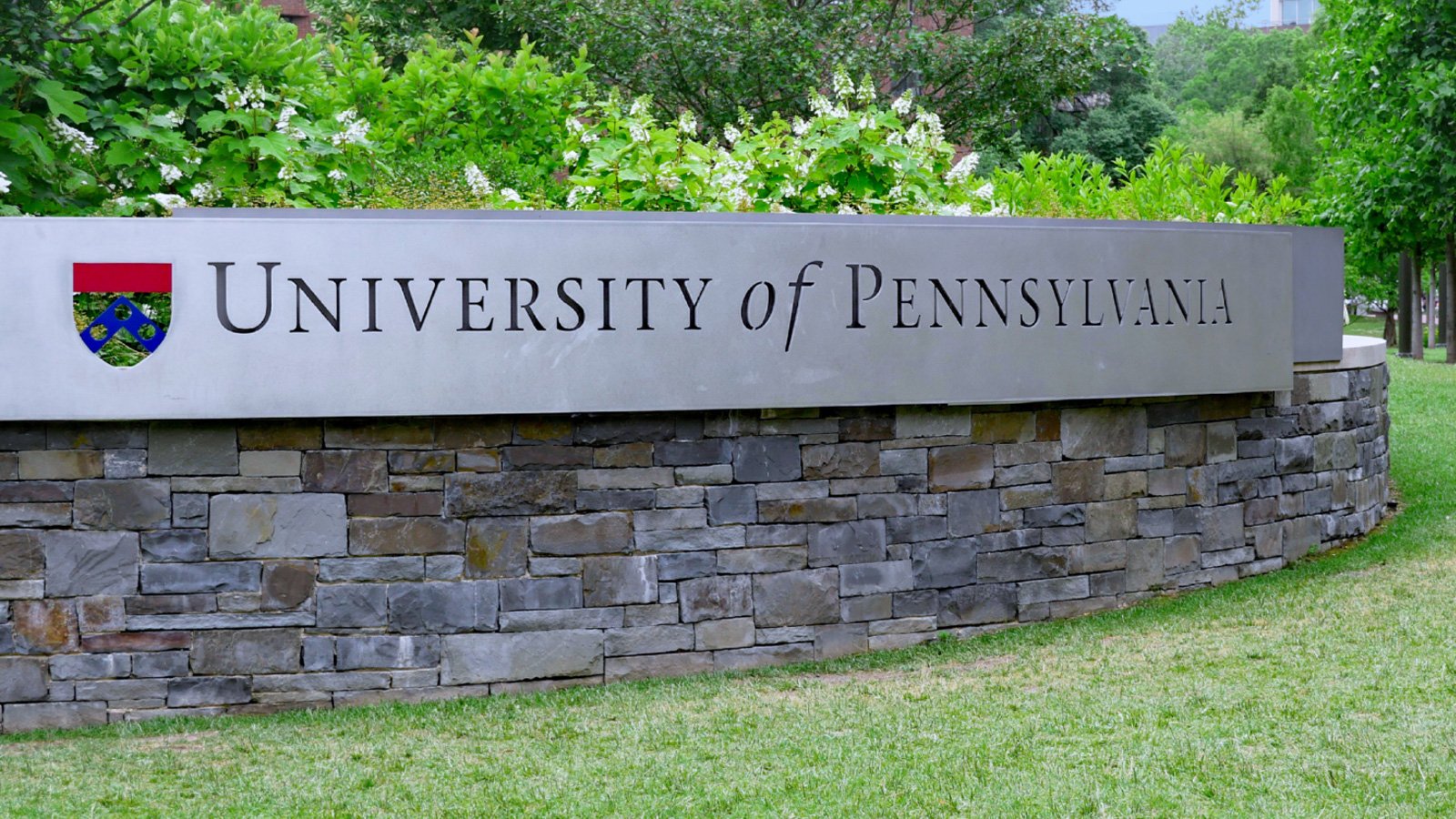
University of Pennsylvania Hit by Data Breach: Donor Facts at Risk
The University of Pennsylvania recently experienced a meaningful data breach impacting a vast amount of sensitive information, including donor records. This incident underscores the growing threat landscape facing educational institutions and the critical need for robust cybersecurity measures. Here’s a detailed breakdown of what happened, what data was compromised, and what you, as a Penn donor, should do to protect yourself.
How the Breach Occurred
Initial access was gained through security vulnerabilities within Penn’s systems. The attacker, despite having their initial access revoked, maintained entry into Salesforce Marketing Cloud. They exploited this remaining access to send a mass email to approximately 700,000 recipients.
The hacker claims the intrusion wasn’t complex, attributing it to existing security shortcomings at the university. They declined to specify whether stolen credentials originated from infostealers or phishing attacks, emphasizing the ease with which they bypassed Penn’s defenses.
What Data Was Compromised?
Currently,the attacker has publicly released a 1.7-GB archive containing files allegedly extracted from Penn’s SharePoint and Box systems. This data includes:
* Spreadsheets containing potentially sensitive information.
* Donation materials.
* Other internal university files.
critically, the attacker also claims to possess Penn’s donor database, tho it hasn’t been released yet. They suggest it could be published within the next one to two months. The attacker explicitly stated they aren’t seeking a ransom, believing the university wouldn’t pay and that the data itself holds sufficient value.
Motivation Behind the Attack
While the hackers downplayed any political motivations, they admitted a disdain for institutions perceived as favoring privilege. However, their primary objective was obtaining the university’s donor database. They see the database as a valuable asset, irrespective of any potential financial gain from Penn.
University Response
When contacted for comment, the University of Pennsylvania stated they are continuing their investigation into the incident.
What Penn Donors Need to Do Now
Given the exposure of donor data, it’s crucial to remain vigilant against potential fraud and identity theft. Attackers can leverage stolen information to craft highly targeted attacks. Here’s how you can protect yourself:
* Be wary of unsolicited communications. treat any unexpected emails, calls, or messages requesting donations or personal information with extreme caution.
* Verify requests directly with Penn. Before responding to any communication purportedly from the university, independently verify its legitimacy by contacting Penn directly through official channels. Do not use contact information provided within the suspicious communication.
* Strengthen your online security. Review and update your passwords for all online accounts, especially those linked to financial institutions or containing personal information.
* Enable multi-factor authentication (MFA). Wherever possible, activate MFA to add an extra layer of security to your accounts.
* Monitor your accounts. Regularly review your bank statements, credit reports, and online accounts for any unauthorized activity.
* Report suspicious activity. If you suspect you’ve been targeted by a phishing attempt or experience any fraudulent activity,report it immediately to Penn’s security team and your financial institutions.
This breach serves as a stark reminder of the importance of proactive cybersecurity measures. Both institutions and individuals must prioritize data protection to mitigate the risks posed by increasingly complex cyber threats. Staying informed and taking preventative steps are your best defenses against becoming a victim of these attacks.
Related reading