
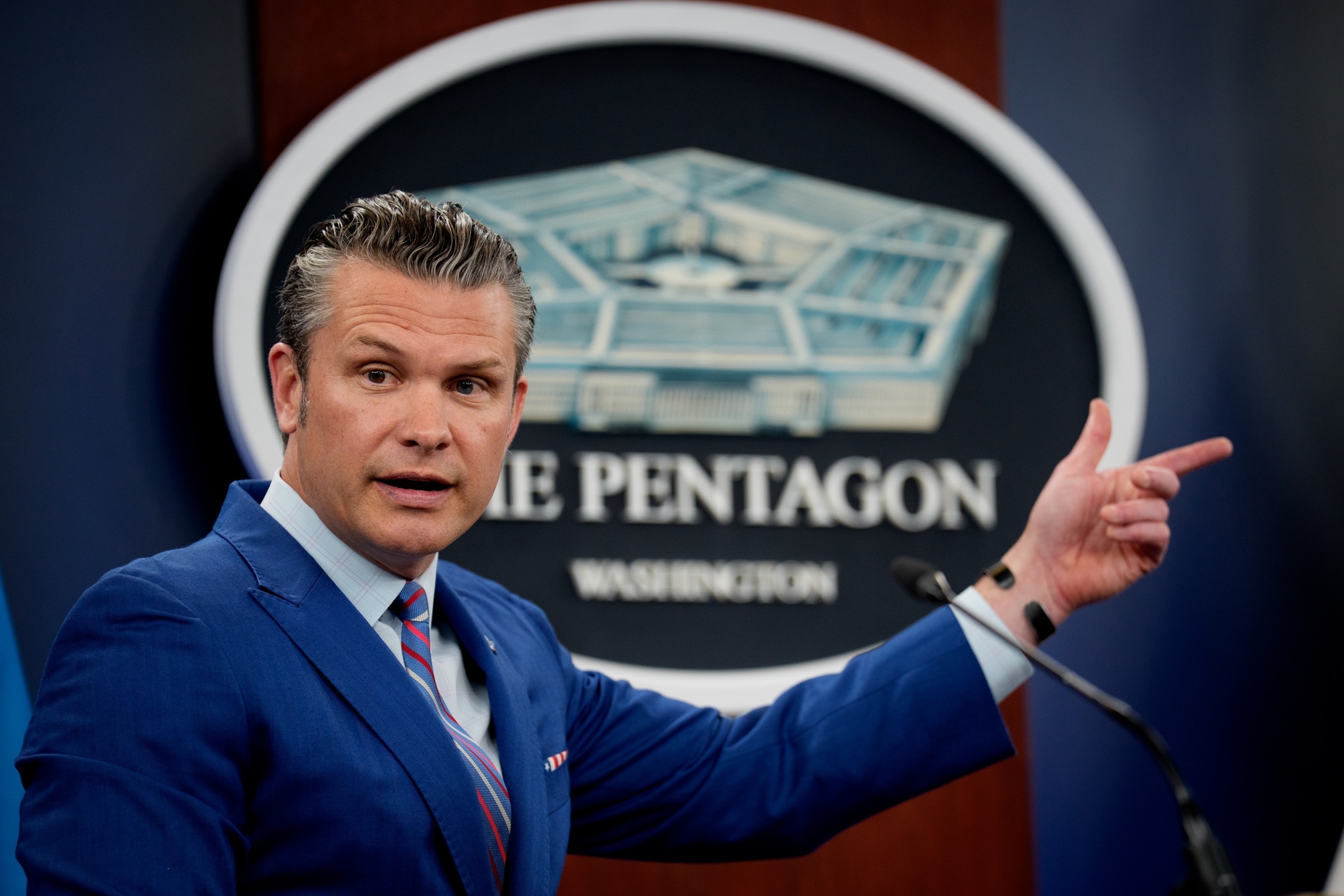
As the geopolitical landscape in the Middle East remains volatile, the rhetoric emanating from Washington regarding the United States’ military readiness has intensified. Recent statements from U.S. Secretary of Defense Pete Hegseth have underscored the administration’s stance on its defense capabilities, specifically addressing concerns over the potential for an escalated conflict with Iran. For those following the Israel-Iran war developments, understanding the logistical and strategic posture of the U.S. Department of Defense is essential to gauging how international actors might navigate the coming months.
In recent remarks, Secretary Hegseth asserted that the United States maintains more than sufficient stockpiles of weapons to address potential military contingencies involving Iran. This assessment comes as the Pentagon continues to navigate a complex security environment, balancing support for regional allies like Israel with the broader objective of maintaining deterrence. These declarations are part of a wider effort by the current administration to project strength and stability amidst ongoing regional hostilities, as reported by major international news agencies tracking the Pentagon’s strategic shifts.
Strategic Readiness and Military Posture
The question of whether the United States is prepared for a direct or indirect confrontation with Iran is not merely a matter of political posturing but one of logistical capacity. According to the U.S. Department of Defense, the current inventory management systems are designed to ensure that combatant commands have the necessary munitions to respond to rapid changes in the theater of operations. Hegseth’s comments emphasize that the domestic industrial base, while facing supply chain pressures, remains the most capable in the world, ensuring that U.S. Forces are not left wanting in a high-intensity conflict scenario.

However, analysts caution that “readiness” involves more than just the raw number of munitions. It requires the synchronization of intelligence, logistics, and regional alliances. The ongoing tension between Israel and Iran—marked by direct exchanges of fire and proxy conflicts—has forced the Pentagon to reassess its prepositioned stock levels across the Middle East. Ensuring that these stockpiles are both accessible and modernized is a primary focus for the current leadership, as they weigh the risks of further regional escalation against the necessity of supporting Israeli defense initiatives.
The Context of the Israel-Iran Conflict
The conflict has evolved significantly since the flare-ups observed in early 2024. Following multiple rounds of direct aerial engagements, both nations have signaled a willingness to utilize their respective military assets to achieve strategic objectives. For Israel, the priority remains the neutralization of threats from Iranian-backed groups, such as Hezbollah in Lebanon and various militias in Syria and Iraq. For Iran, the strategy involves demonstrating its missile and drone capabilities to maintain a deterrent posture without triggering a full-scale, devastating war that could draw in Western powers.

The role of the United States in this dynamic is multifaceted. While Washington has consistently stated its preference for a diplomatic resolution, it has simultaneously increased its naval and air presence in the region to provide a “security umbrella” for its allies. This dual approach is intended to provide Israel with the confidence to defend itself while signaling to Tehran that any miscalculation could result in a robust U.S. Response. The White House has repeatedly characterized this as a policy of “ironclad support” for Israel, while maintaining that their primary goal remains the prevention of a broader regional war.
What Lies Ahead: Monitoring Regional Stability
As we look toward the near future, the international community is closely watching for signals of de-escalation. The next major checkpoint for these developments will likely be the upcoming series of high-level diplomatic meetings between U.S. And regional partners, intended to coordinate a unified response to Iranian activity. The Pentagon is expected to release its updated budget projections, which will provide a clearer picture of how the U.S. Intends to sustain its current military posture in the Middle East throughout the next fiscal year.

For those living in the region or monitoring the situation from abroad, It’s critical to rely on official updates from defense ministries rather than speculative reports. The situation remains fluid, and the combination of economic sanctions, diplomatic pressure, and military posturing suggests that this “gray zone” of conflict will persist for the foreseeable future. Staying informed through verified, authoritative sources remains the best way to navigate the uncertainty of these events.
What are your thoughts on the current U.S. Military strategy in the Middle East? We encourage our readers to share their perspectives in the comments section below and to stay tuned for further updates as this situation develops.