
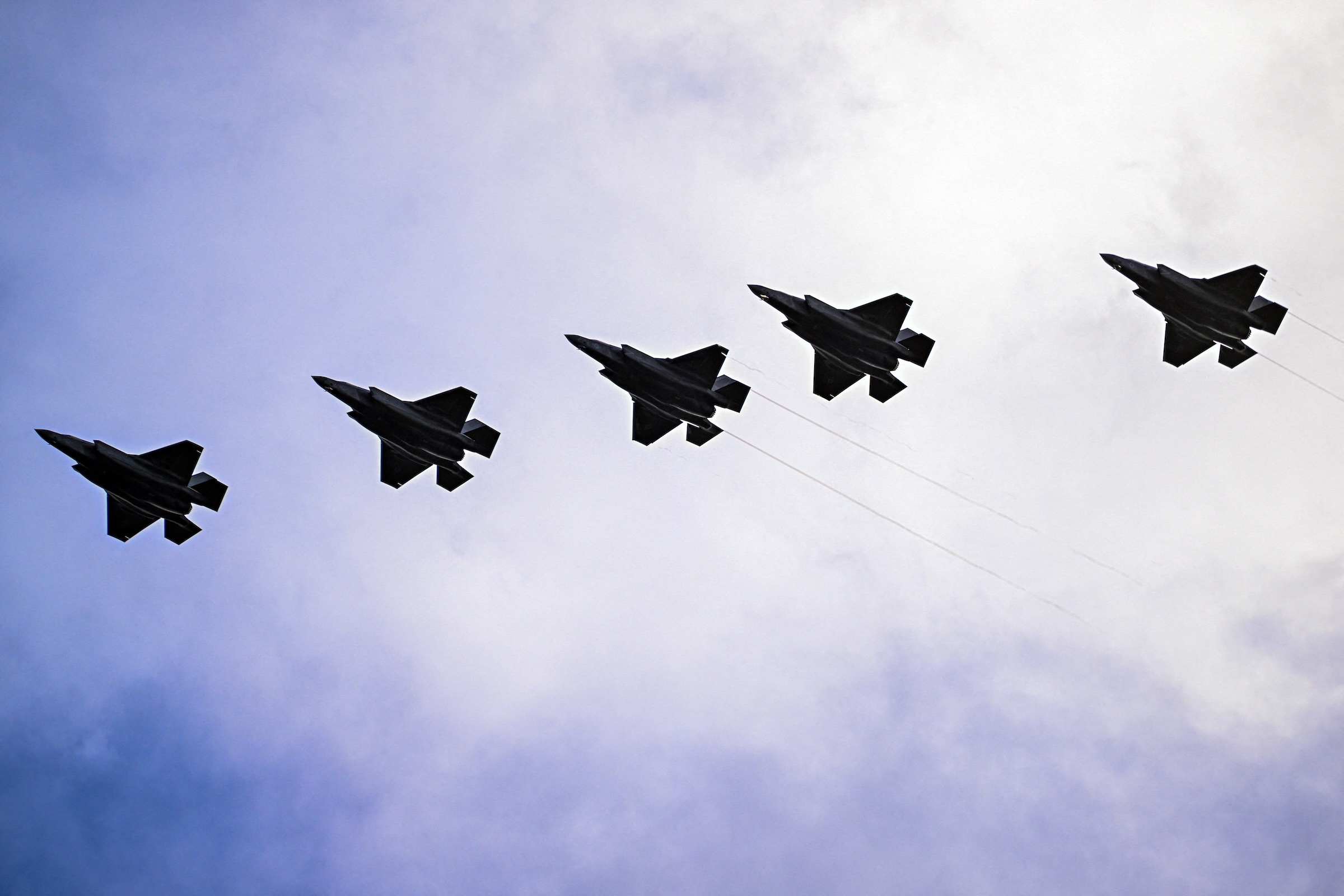
U.S. Military Strikes in Colombia and the Caribbean: A Deepening Controversy
Recent U.S.military actions in Colombia and the Caribbean are sparking significant debate and raising critical questions about the scope of presidential authority, international law, and the potential for escalating conflict. These operations, reportedly targeting drug cartels, are shrouded in secrecy, yet carry profound implications for regional stability and U.S. foreign policy.
Expanding the Battlefield: beyond Counterterrorism
For years, U.S. involvement in the region focused primarily on counterterrorism efforts. However,a shift appears to be underway. reports indicate the Trump administration authorized strikes against a broader range of organizations, classifying them as cartels and granting the military expanded targeting authority.
This expansion stems from a classified legal opinion issued by the Justice Department. It allows the president to authorize lethal operations against groups beyond those officially designated as terrorist organizations. This interpretation of presidential power is unprecedented, potentially initiating a far-reaching, undeclared conflict.
Concerns Over Legality and Civilian Casualties
The legality of these strikes is being fiercely contested. Experts argue they violate international law, especially concerning sovereignty and the rules of engagement. Amnesty International USA has strongly condemned recent actions, labeling the killing of six individuals in a recent strike as “murder – plain and simple.”
Furthermore, the lack of clarity surrounding these operations is deeply concerning. The U.S. government has not publicly identified the 27 individuals killed in these strikes, fueling accusations of a cover-up and raising fears about civilian casualties. If reports are accurate, some of those killed were Colombian citizens, suggesting a wider scope to U.S. aggression than previously acknowledged.
A History of Covert operations
This isn’t the first instance of the U.S. engaging in covert operations in the region.The Pentagon has already been authorized to carry out lethal operations within Venezuela and the Caribbean, according to recent reports. This pattern of secrecy and unilateral action raises serious questions about accountability and oversight.
You might be wondering what this means for you and the future of U.S. foreign policy.Here’s a breakdown of the key concerns:
* Erosion of Congressional Authority: The broad interpretation of presidential power undermines Congress’s constitutional role in declaring war and overseeing military actions.
* Risk of Escalation: Expanding the definition of a threat and authorizing preemptive strikes coudl lead to a cycle of violence and unintended consequences.
* Damage to International Relations: Unilateral military actions without clear legal justification can strain relationships with allies and undermine international law.
* Civilian harm: The lack of transparency and accountability increases the risk of civilian casualties and erodes trust in U.S. actions.
The Path Forward: Transparency and Accountability
Addressing these concerns requires a essential shift in approach. The U.S. government must prioritize transparency, accountability, and adherence to international law. Specifically, this means:
* Declassifying the Justice Department’s legal opinion: Allowing public scrutiny of the legal justification for these strikes is crucial.
* Providing a full accounting of civilian casualties: The U.S. has a moral and legal obligation to investigate and acknowledge any harm caused to civilians.
* Engaging in diplomatic solutions: Prioritizing diplomatic efforts and working with regional partners is essential for addressing the root causes of instability.
* Reasserting congressional oversight: Congress must reassert its constitutional authority over military actions and ensure proper oversight of these operations.
Ultimately, a strong and prosperous future for both the United States and Colombia-and the wider region-depends on a commitment to respect for international law, transparency, and a collaborative approach to security challenges.Ignoring these principles risks escalating conflict and undermining long-term stability.

![OnePlus Pad OxygenOS 16: New Features & Updates | [Year]](https://i0.wp.com/www.smartprix.com/bytes/wp-content/uploads/2025/10/SCR-20251016-umoj-2.jpeg?ssl=1&quality=80&w=1200 "OnePlus Pad OxygenOS 16: New Features & Updates | [Year]")



