The assessment, which followed inspections of 11 military facilities in the region, identified widespread structural degradation ranging from severe corrosion and building gaps to collapsing ceilings, toxic mold, and asbestos.
The findings spotlight critical vulnerabilities at a time when Washington relies on its Pacific network to counter China in the region. According to Pentagon officials, the facility decay stems primarily from aging infrastructure built largely during the 1970s, compounded by environmental factors such as earthquakes and tsunamis, alongside ongoing constraints in personnel and funding.
While the review examined facilities tied directly to combat readiness, it also documented severe deterioration in support infrastructure, including water systems and family housing. Mark Sinder, Deputy Assistant for Infrastructure Modernization, stated that the military department and relevant stakeholders will lead remediation efforts, though a detailed timeline for addressing the full scope of repairs is still being formulated.
Okinawa Facilities and Housing Crises
Among the sites evaluated, Kadena Air Base in Okinawa, Japan, emerged as a primary point of concern. Serving as a central pillar of U.S. air power in the Pacific, the facility houses munitions valued at approximately 836 juta dollar AS, according to inspection data. Photographic evidence attached to the report revealed hangar walls with large holes that expose stored equipment to outside weather, alongside severe rust and corrosion on aircraft shelter structures.
Kadena, which hosts about 20,000 Americans, saw at least 243 residential homes vacated due to structural surface damage, known as spalling. An additional 139 homes suffered damage from collapsed ceilings. Similar structural and environmental failures—including mold, fire damage, building cracks, water leaks, and the presence of lead and asbestos—were documented at Yokota Air Base and Marine Corps Base Camp Courtney in Japan.
Regional Security Pressures and Deterrence
The infrastructure review coincides with broader regional efforts among Indo-Pacific nations to bolster defense capabilities amid concerns over shifting American priorities and China’s military modernization. According to statements gathered by Reuters, regional defense ministers have emphasized the need for agile and rapid capability enhancements. Philippine Defense Secretary Gilberto Teodoro noted during regional security discussions that collective deterrence relies on deeper cooperation among partners including Japan, Australia, Canada, and New Zealand.
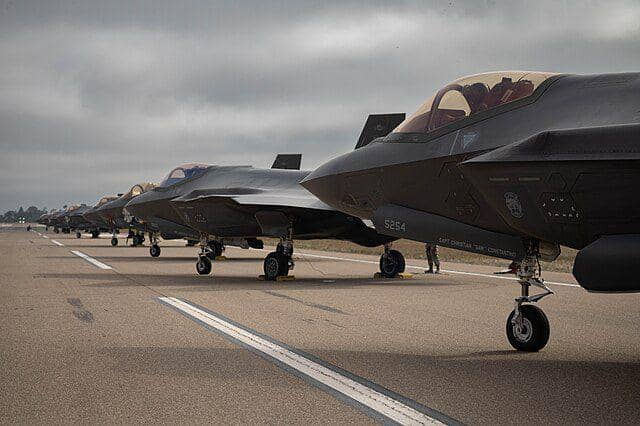
At the same time, independent strategic assessments highlight the tactical vulnerability of these forward-deployed hubs. A report published by the Stimson Center titled “Cratering Effects: Chinese Missile Threats to US Air Bases in the Indo-Pacific” warned that U.S. air bases remain within range of thousands of Chinese missiles. The think tank analysis indicated that a conflict could see operations severely disrupted if adversary strikes target runways and vital refueling infrastructure, compounding the logistical challenges posed by decaying base facilities.
Next Steps and Remediation Planning
Army, Navy, Air Force, and Indo-Pacific Command continue to coordinate corrective action plans for the impacted sites in Japan and surrounding territories.
Keep reading
- Ex-Flight Attendant Pleads Guilty to Faking Pilot ID for 200 Free Tickets
- Khon Kaen Forest Temple Abbot Produces Deed to Defend Donated Land From Heirs
- Prosecuting Asia-Pacific Crimes: Universal Jurisdiction & The Future Crimes Against Humanity Convention (archyworldys.com)
- Apple Warns iPhone Users in 110 Countries of Mercenary Spyware Attacks (archynewsy.com)