
Digital artists and fans of popular culture have recently utilized generative artificial intelligence to imagine how the characters of the long-running British animated series Peppa Pig would appear if they were transported into the whimsical, surreal world of Roald Dahl’s Charlie and the Chocolate Factory. This trend, which frequently circulates across social media platforms, highlights the ongoing interest in AI-driven character redesigns that blend distinct visual aesthetics from disparate intellectual properties.
The concept of reimagining established cartoon figures in new environments often relies on sophisticated text-to-image AI tools, which analyze the established color palettes, character archetypes, and thematic motifs of both source materials. According to industry analysis from the Guardian, these tools synthesize thousands of images to create “fan-art” that mimics specific artistic styles, such as the whimsical, slightly macabre illustrations of Quentin Blake—the primary illustrator for Dahl’s original books—and the clean, minimalist lines typical of Peppa Pig.
The Intersection of Animation Styles and AI
The visual contrast between these two worlds is significant. Peppa Pig, produced by Astley Baker Davies and currently owned by Hasbro, is defined by its simple, flat shapes and bright, primary colors. In contrast, the universe of Willy Wonka, as interpreted through various film adaptations and the original 1964 novel, carries a more complex, industrial, and eccentric aesthetic. Fans using AI generators are essentially performing a “style transfer,” mapping the anthropomorphic pig family onto the Victorian-inspired, candy-coated architecture of the chocolate factory.
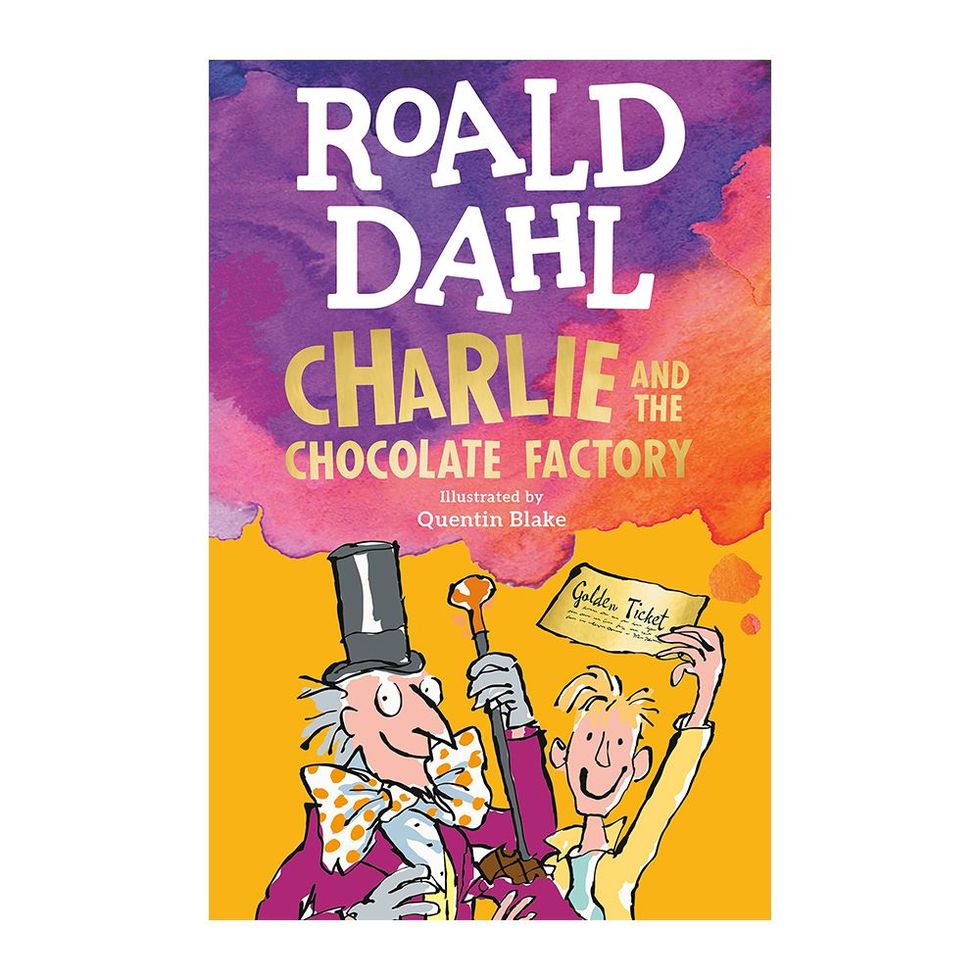
This intersection reveals how modern audiences engage with legacy media. By placing characters like Peppa or George Pig into the roles of visitors touring a factory, users are not just generating images; they are creating narrative mashups that extend the lifespan of these franchises beyond their official broadcast cycles. The process is emblematic of the “remix culture” that characterizes contemporary digital media consumption, where the barrier to creating high-fidelity visual fan fiction has been lowered by accessible, subscription-based AI software.
How AI Character Redesigns Impact Brand Perception
While these AI-generated images are largely created for entertainment, they raise questions regarding the digital presence of children’s brands. When AI tools are used to place family-friendly characters into scenarios inspired by Charlie and the Chocolate Factory—which includes themes of greed, punishment, and bizarre industrial hazards—the result can create a tonal dissonance. This phenomenon is often discussed in the context of intellectual property rights, as corporations like Hasbro and the Roald Dahl Story Company manage the boundaries of how their characters are represented in the public sphere.
Technologically, these images are produced by training models on vast datasets of copyrighted imagery. As noted by the Electronic Frontier Foundation, the legal landscape surrounding these AI-generated mashups remains complex, particularly regarding “fair use” and the potential for these outputs to dilute the branding of established children’s series. Despite these concerns, the trend shows no sign of slowing, as social media platforms continue to prioritize algorithmically generated content that features recognizable, nostalgic characters in novel settings.
Future Trends in Fan-Driven Digital Art
Looking ahead, the evolution of AI-generated character art will likely move toward greater interactivity. Current iterations are mostly static, but as video-generation tools improve, fans may soon be able to animate these “crossover” scenarios, creating short, AI-rendered clips of Peppa Pig walking through the Chocolate Room. This shift will likely increase the demand for more robust regulatory frameworks regarding digital likeness and synthetic media.
For now, the digital space remains a playground for this type of creative experimentation. Whether these images are viewed as harmless fan engagement or a complex legal gray area, they serve as a testament to the enduring influence of both the Peppa Pig brand and the classic literature written by Roald Dahl. As AI tools become more integrated into creative workflows, the ability for fans to visualize such unique, conceptual crossovers will only become more refined and accessible.
The next major milestone in this field will likely involve official statements or policy updates from major media houses regarding the use of AI in fan-created content, particularly as copyright litigation continues to move through international courts. Readers interested in the intersection of technology and creative arts are encouraged to share their thoughts on the evolution of AI-driven fan art in the comments section below.
Worth a look