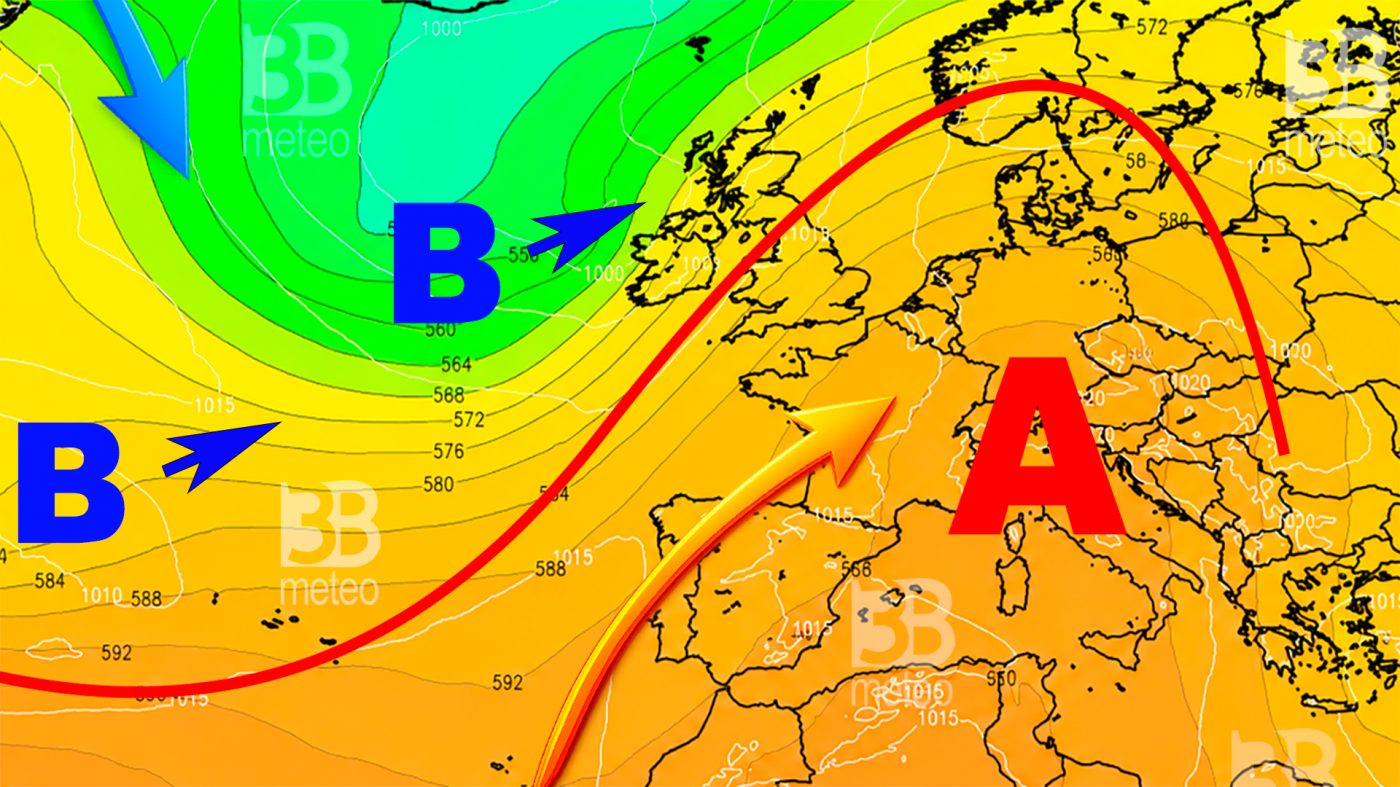
Extreme heatwaves are becoming more frequent and intense due to the combination of global climate change and specific atmospheric phenomena like atmospheric blocking. These events contribute to significant mortality rates across Europe, prompting the World Health Organization to issue urgent calls for heat-health action plans to mitigate what they describe as a “silent killer.”
The increasing frequency of these thermal events is not merely a matter of rising average temperatures but is driven by shifts in global atmospheric circulation. As greenhouse gas concentrations continue to rise, the stability of high-pressure systems over the European continent has increased, leading to prolonged periods of stagnant, hot air. This phenomenon, often referred to as an atmospheric heat dome, traps heat near the surface and prevents the arrival of cooler maritime air, creating the “exceptional” conditions observed in recent summers.
Health authorities are tracking a significant upward trend in heat-related fatalities. While specific annual figures fluctuate based on the severity of individual summer seasons, recent data indicates that heat-related mortality in Europe has reached critical levels. According to reports analyzing recent climate trends, the cumulative impact of extreme heat events across the continent has resulted in hundreds of thousands of excess deaths over recent multi-year periods, placing immense pressure on public health infrastructure.
Why are heatwaves becoming more extreme?
Meteorologists and climate scientists attribute the intensification of heatwaves to several intersecting factors. The primary driver is the anthropogenic warming of the atmosphere, which increases the baseline temperature from which heatwaves originate. However, the “exceptional” nature of modern heatwaves is often the result of atmospheric blocking patterns.
Atmospheric blocking occurs when a high-pressure system becomes stationary, effectively acting as a barrier to the normal movement of weather systems. This prevents cooler, low-pressure systems from moving through a region, forcing the high-pressure system to remain in place for days or even weeks. During these periods, the sun continuously heats the same area of land, and because the air is sinking within the high-pressure zone, it warms further through compression.
The behavior of the jet stream—a high-altitude ribbon of fast-moving air—also plays a crucial role. Scientific research suggests that the warming of the Arctic at a rate significantly faster than the rest of the planet may be causing the jet stream to become “wavier.” A wavier jet stream is more prone to creating large, slow-moving loops. When one of these loops stalls over Europe, it can facilitate the prolonged heat events that characterize modern extreme summers.
Furthermore, the soil moisture levels influence the intensity of these events. When a heatwave begins, dry soil can accelerate the warming process. In a process known as sensible heating, the sun’s energy is used to heat the air directly rather than being used to evaporate moisture from the ground. This creates a feedback loop: dry soil leads to hotter air, which further dries out the soil, leading to even more intense heat.
Heat-related mortality trends in Europe
The human cost of these temperature spikes is measurable and rising. Heat is frequently described by public health officials as a “silent killer” because its effects are often indirect. Unlike a storm or a flood, which are visible and immediate, heat kills by exacerbating underlying health conditions, such as cardiovascular or respiratory diseases, or through direct physiological failure like heatstroke.
Data from major health studies, including those published in The Lancet, highlight that the most significant mortality occurs during the hottest days of the year, often affecting the elderly and those with pre-existing medical conditions. The physiological strain of thermoregulation—the body’s attempt to maintain a stable internal temperature—can lead to organ failure, particularly in the kidneys and heart. As the body attempts to cool itself through sweating, it loses fluids and electrolytes, which can lead to dehydration and a dangerous drop in blood pressure.
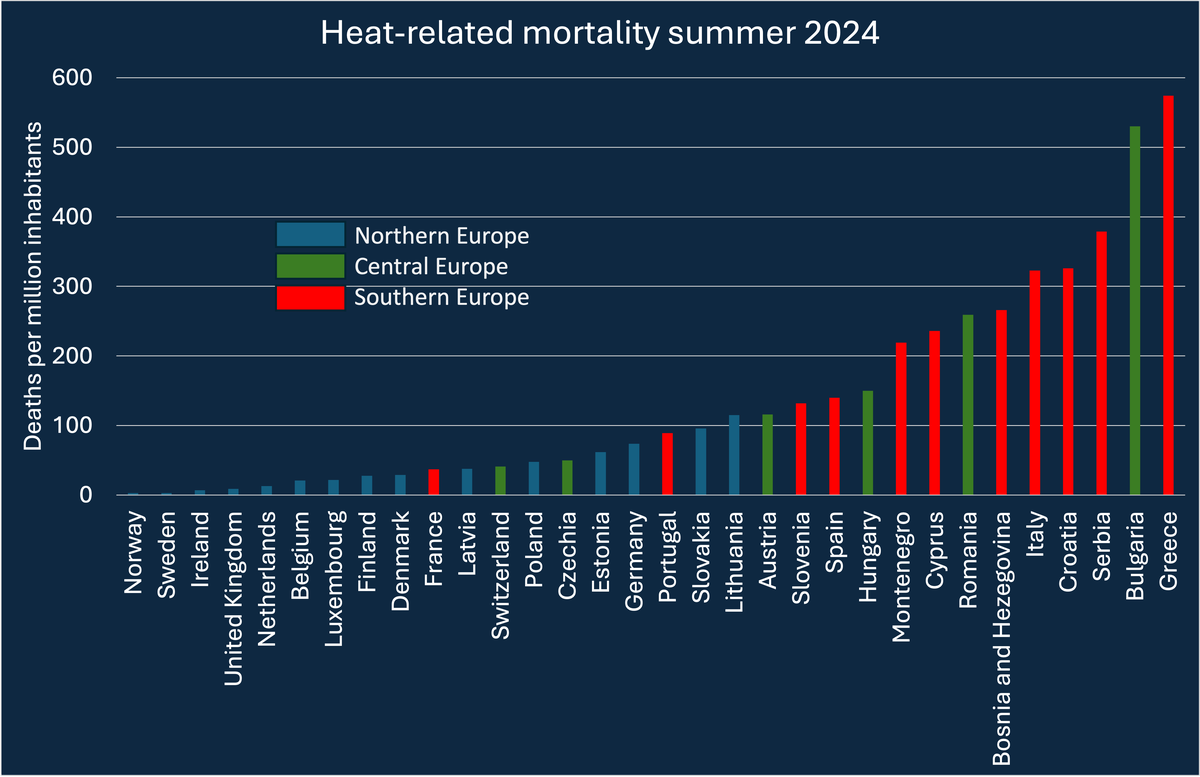
While mortality is a continent-wide issue, certain regions and demographic groups are disproportionately affected. The risk is not distributed equally; it is heavily influenced by age, socioeconomic status, and access to cooling infrastructure. Public health data suggests that the mortality rate is significantly higher among individuals living alone or those who lack access to air conditioning or adequate ventilation in their homes.
The scale of the crisis is reflected in recent mortality estimates. Some environmental and health monitoring groups have noted that over the last four years, the total number of heat-related deaths across Europe has approached levels previously thought impossible under historical climate norms. These figures underscore the urgency for coordinated continental responses to heat-related health risks.
The urban heat island effect in cities like Milan
Urban environments present a unique and heightened risk during heatwaves. Cities like Milan are particularly susceptible due to the “Urban Heat Island” (UHI) effect. This phenomenon occurs when metropolitan areas experience significantly higher temperatures than their surrounding rural counterparts. The primary cause is the prevalence of hard, dark surfaces—such as asphalt, concrete, and roofing—which absorb and retain solar radiation during the day and release it slowly at night.
In densely populated cities, the lack of vegetation and green spaces further exacerbates this effect. Plants provide shade and cool the air through evapotranspiration, a process that is largely absent in highly paved urban centers. Consequently, cities like Milan can remain several degrees warmer than the countryside even after the sun has set, preventing the human body from recovering from daytime heat stress during the night.
The combination of high population density, concentrated heat-retaining materials, and limited airflow makes urban centers hotspots for heat-related illness. For residents in these areas, the risk is not just the peak daytime temperature, but the “nighttime heat stress,” which prevents the physiological cooling necessary for long-term health during a multi-day heatwave. This makes urban planning—specifically the integration of green corridors, reflective “cool” pavements, and expanded urban canopies—a critical component of public health strategy.
How health organizations are responding
In response to the escalating threat, the World Health Organization (WHO) and various European health agencies have emphasized the need for proactive, systemic interventions. The WHO has advocated for the implementation of comprehensive heat-health action plans, noting that while extreme heat is becoming more common, its most lethal effects are not inevitable if proper precautions are taken.

Effective heat-health action plans generally focus on four key pillars: early warning systems, public communication, clinical preparedness, and urban adaptation. According to WHO guidelines, the first step is the development of robust early warning systems that can predict heatwaves with enough lead time to trigger community-level responses.
Once a warning is issued, public communication must be targeted. This includes reaching vulnerable populations—such as the elderly, healthcare workers, and outdoor laborers—with clear, actionable advice on hydration, cooling techniques, and recognizing the symptoms of heat exhaustion. Clinical preparedness involves ensuring that hospitals and emergency services are staffed and equipped to handle a surge in heat-related admissions, particularly during peak summer months.
Long-term strategies must also address the structural causes of heat vulnerability. This includes revising building codes to mandate better natural ventilation and cooling, increasing urban greenery, and improving social support networks to ensure that isolated individuals are checked on during extreme weather events. The shift in focus is moving from reactive emergency management to proactive, climate-resilient public health policy.
Comparison of Heatwave Impact Factors
| Factor | Impact on Heat Intensity | Primary Health Risk |
|---|---|---|
| Atmospheric Blocking | High: Stalls hot air over a region for extended periods. | Prolonged exposure and cumulative heat stress. |
| Urban Heat Island | Moderate-High: Retains heat in cities, especially at night. | Lack of nocturnal recovery for the human body. |
| Low Soil Moisture | Moderate: Increases sensible heating of the air. | Rapidly rising temperature spikes. |
| Climate Change | Extreme: Raises the baseline temperature and frequency. | Systemic increase in heat-related mortality. |
Frequently Asked Questions
Why is heat called a “silent killer”?
Unlike visible disasters, heat kills by causing physiological strain that often leads to the failure of existing medical conditions, such as heart or kidney disease, making the cause of death less obvious than a physical injury.
Who is most at risk during a heatwave?
The most vulnerable groups include the elderly, young children, individuals with chronic illnesses (particularly cardiovascular and respiratory diseases), and those living in urban areas with limited access to cooling.
What is the Urban Heat Island effect?
It is a phenomenon where cities become significantly warmer than surrounding rural areas because buildings, roads, and other infrastructure absorb and re-emit the sun’s heat more than natural landscapes.
Can heatwaves be prevented?
While individual weather events cannot be prevented, the frequency and intensity of heatwaves can be mitigated by addressing the underlying causes of climate change and implementing better urban planning and public health policies.
The next major milestone for climate-health policy will be the upcoming review of the European Climate Law and subsequent updates to regional heat-health preparedness frameworks. Monitoring these official policy shifts is essential for understanding how cities will adapt to a warming continent.
Have you noticed changes in your local weather patterns or heat management? Share your thoughts and experiences in the comments below, and please share this article to help spread awareness about heat safety.
Related reading