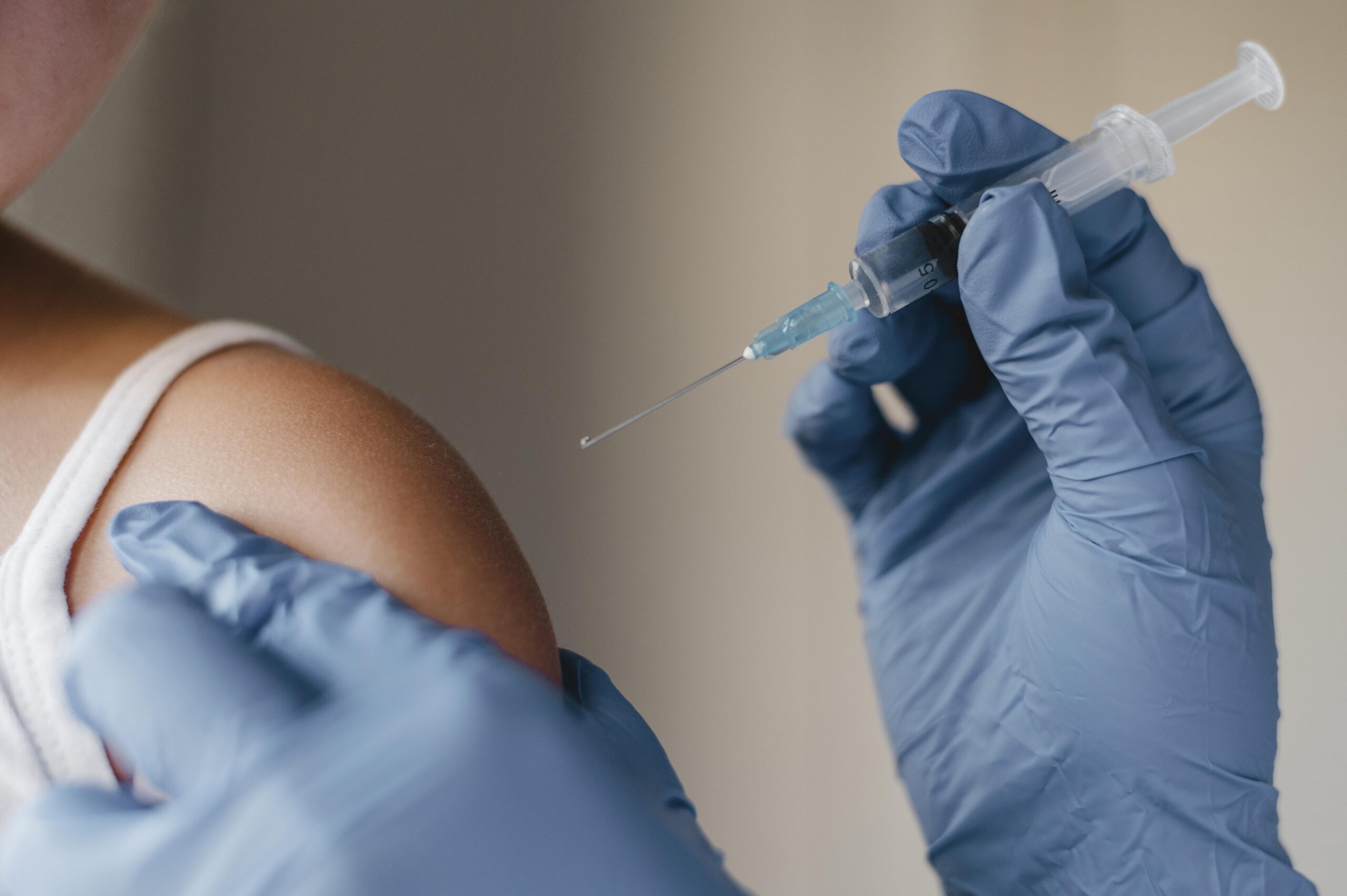
Personalized vaccination is emerging as a critical strategy in preventive medicine, particularly for patients with complex health conditions. By tailoring immunization schedules to an individual’s immune status, healthcare providers aim to improve vaccine effectiveness and reduce the risk of vaccine failure. This approach is gaining attention as experts emphasize its importance for older adults, immunocompromised individuals, and those with comorbidities.
The concept was highlighted during the IV Jornada de Inmunización organized by the Hospital Universitario Fundación Jiménez Díaz in Madrid, where over 300 healthcare professionals attended in person and another 500 followed the event via streaming. Dr. María Dolores Martín, head of the Department of Preventive Medicine at the hospital, stressed that immunization must be based on the patient’s real immunological state to enhance efficacy and avoid vaccination failures. She explained that personalizing the timing, type, and schedule of vaccines optimizes protection, especially in vulnerable populations.
Dr. Marta Blanco Fernández, also a leader in the Department of Preventive Medicine at the same institution, noted that this individualized approach transforms the traditional one-size-fits-all vaccination model into a data-driven strategy. By assessing infection risk through immunological testing and monitoring immune response, clinicians can make informed decisions about when and how to vaccinate. This method not only improves protection but also supports safer and more efficient use of healthcare resources.
Experts at the event agreed that vaccination should be integrated into the broader clinical management of patients rather than treated as a separate preventive measure. As Dr. Martín stated, immunization is part of treatment, and a proactive preventive approach can reduce hospitalizations, complications, viral reactivations, and mortality. This perspective aligns with growing efforts to embed preventive care within chronic disease management, particularly for patients undergoing immunosuppressive therapies or living with long-term conditions like diabetes, heart disease, or respiratory disorders.
The discussions at the Jornada de Inmunización reflect a shift toward precision public health, where medical interventions are customized based on individual biomarkers and health profiles. Whereas the event took place in Madrid, the principles discussed have global relevance, especially as health systems worldwide seek to improve outcomes for aging populations and those with weakened immune systems.
For patients and caregivers, understanding the value of personalized vaccination can inform conversations with healthcare providers about the timing and necessity of vaccines such as influenza, pneumococcal, or COVID-19 boosters. Official guidance from organizations like the World Health Organization and national public health agencies continues to evolve, incorporating evidence on immune response variability across different patient groups.
As research advances, tools to measure immune function—such as antibody titers and T-cell assays—are becoming more accessible in clinical settings. These tools support the implementation of personalized vaccination strategies by providing objective data on a patient’s current immune status. However, access to such testing remains uneven, and experts call for greater investment in diagnostic infrastructure to ensure equitable implementation of personalized immunization programs.
The next official update on personalized vaccination guidelines is expected from the European Centre for Disease Prevention and Control (ECDC), which regularly reviews and updates immunization recommendations for special risk groups. Healthcare professionals and the public are encouraged to consult official channels for the latest evidence-based guidance.
We invite readers to share their experiences or questions about personalized vaccination in the comments below. Your insights help foster informed discussions about health innovations that matter. If you found this article useful, please consider sharing it with others who may benefit from understanding how tailored immunization can protect those most at risk.
Worth a look