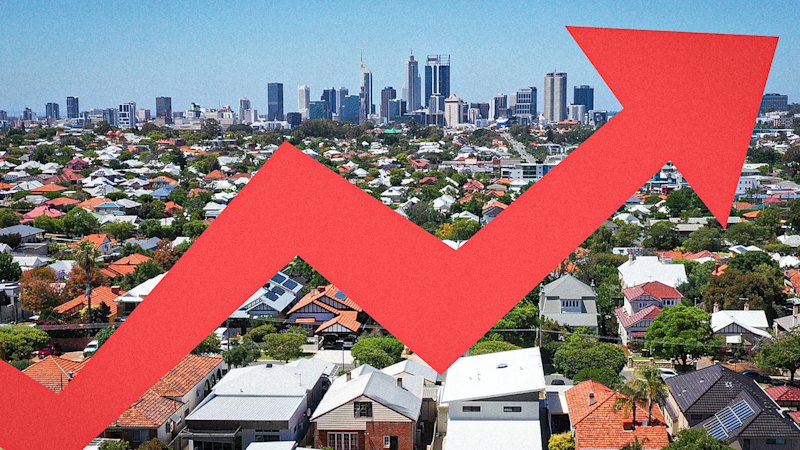
Western Australian tenants are facing an “affordability ceiling” as rental prices in the state reach record highs, despite recent data suggesting the rate of increase has slowed compared to the rest of the country. While the pace of growth has decelerated, housing advocates report that the cumulative impact of years of rent hikes has pushed many households to a financial breaking point, leaving low-income earners particularly vulnerable to displacement.
According to the Real Estate Institute of Western Australia (REIWA), the Perth rental market remains characterized by historically low vacancy rates, which continue to exert upward pressure on prices. While national indices often highlight Western Australia’s rent growth as moderating, this statistical easing does not reflect the reality for tenants currently renewing leases or seeking new housing in an environment where supply remains critically constrained.
The Disconnect Between Statistics and Household Reality
The perception of a cooling market is often derived from month-on-month percentage changes, but these figures aggregate a landscape where the baseline cost of housing has already escalated significantly over the past 24 months. Data from the Australian Bureau of Statistics indicates that rental inflation has been a primary driver of cost-of-living pressures for Western Australians. For many households, even a “slower” rate of growth represents an unaffordable increase on top of existing, record-level rents.

Housing advocates emphasize that the “affordability ceiling” refers to the point at which a tenant’s income is fully consumed by rent and essential utilities, leaving no margin for food, transport, or health expenses. As reported by Shelter WA, the peak body for social and affordable housing in the state, the competition for available properties has forced many renters to compromise on location, safety, and the quality of their living conditions just to secure a roof.
Supply Constraints and the Vacancy Crisis
The fundamental issue underpinning the Perth rental crisis is a persistent imbalance between housing supply and population demand. According to the Government of Western Australia, the state has implemented several planning reforms aimed at accelerating residential construction. However, the lag time between project approval and the delivery of completed dwellings means that immediate relief for the rental market remains limited.
Vacancy rates in Perth have hovered near 1% for extended periods, a level far below the 3% threshold typically associated with a balanced market. This scarcity allows property owners to command premium prices, even as economic indicators suggest a cooling in the broader national economy. For tenants, this means the threat of “no-grounds” evictions or significant rent hikes at the end of a fixed-term agreement remains a persistent source of anxiety.
Impact on Vulnerable Demographics
The current rental environment has disproportionately affected low-income earners, students, and those reliant on government support payments. Data from Anglicare WA regularly underscores that the number of affordable rental listings for those on JobSeeker or Youth Allowance has effectively vanished in the metropolitan area. When housing costs exceed 30% of a household’s gross income, that household is classified as being in “rental stress,” a threshold now surpassed by a significant portion of the Perth population.

The state government has introduced various measures, such as the Residential Tenancies Act amendments, intended to offer greater protections to tenants. These include limits on the frequency of rent increases. However, critics argue that these legislative protections do not address the core issue of supply, nor do they prevent the market-driven price hikes that occur between tenancies.
What Happens Next for Perth Renters
The outlook for the remainder of the year remains tied to interest rate decisions by the Reserve Bank of Australia and the pace of new housing completions. The next official update on the state’s rental vacancy rates and median price movements is expected in the coming quarter, as reported by industry analysts monitoring the REIWA datasets. Until vacancy rates climb toward a more sustainable range, market observers anticipate that rent prices will likely remain at elevated levels, continuing to challenge household budgets across the state.

Ongoing monitoring of the rental market is available through the Department of Energy, Mines, Industry Regulation and Safety, which provides resources for both landlords and tenants regarding their rights and obligations. Readers are encouraged to share their experiences regarding the current rental climate in the comments section below.