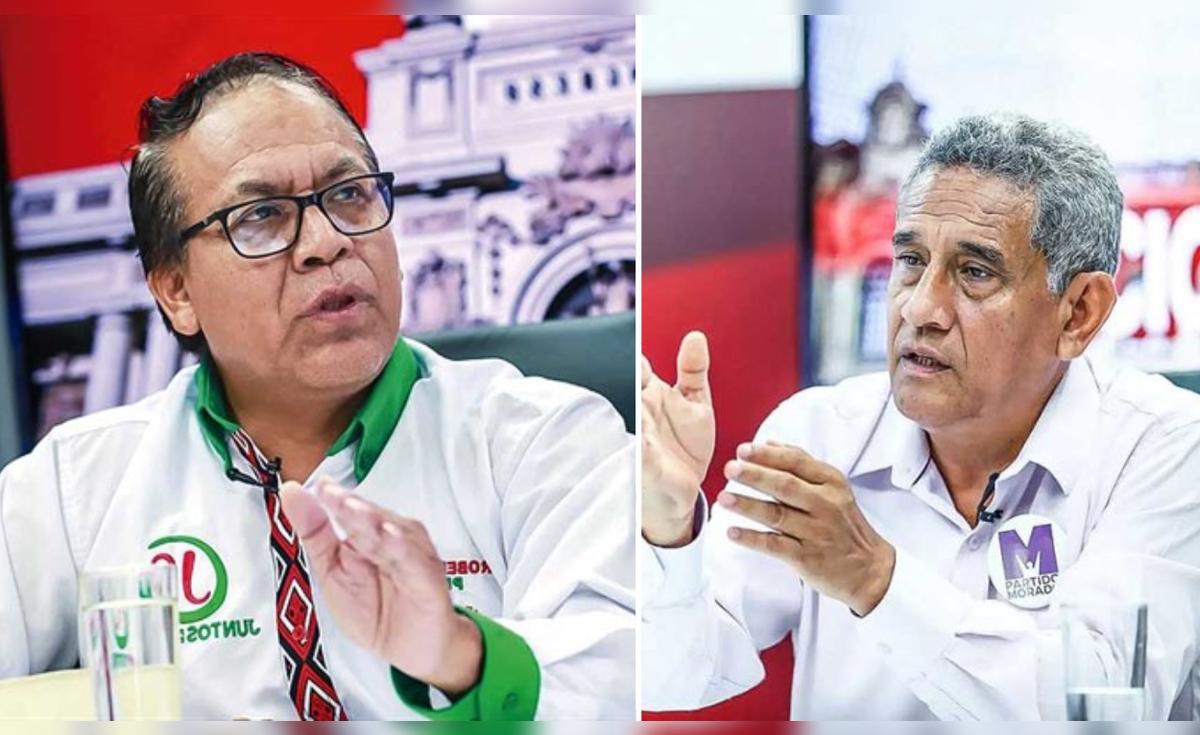
As the 2026 electoral landscape in Peru continues to evolve, political alignments ahead of the second round remain fluid, with several parties clarifying their stances on the remaining presidential candidates. The decision-making process within these organizations highlights the broader fragmentation currently characterizing the Peruvian political scene as voters prepare for the final stage of the contest.
Recent announcements from various political groups have underscored a trend of neutrality or individualized freedom of choice, as parties grapple with the prospect of endorsing candidates like Roberto Sánchez or Keiko Fujimori. This shifting dynamic is central to the ongoing electoral process managed by the National Jury of Elections (JNE), which oversees the integrity and procedural standards of the national ballot.
Shifting Alignments and Party Autonomy
The internal deliberations of parties such as the Partido Morado have drawn significant attention. Recent statements from party leadership and various militants have indicated a move toward supporting Roberto Sánchez. This development marks a departure from the “neutrality” strategy adopted by other political entities that have opted to leave their membership in complete freedom to decide their vote, rather than issuing a party-wide directive.
For many observers of Peruvian politics, these decisions reflect the difficulty of building coalitions in a highly atomized congress. The Congress of the Republic of Peru currently hosts a multitude of benches, and the lack of formal party-line consensus in the second round is often seen as a symptom of deeper ideological divisions within the political center and left-leaning movements.
The Stance of ‘País Para Todos’
Contrasting with the specific endorsements seen in other camps, the political organization País Para Todos has publicly clarified its position. The leadership of this group has formally stated that it will not provide an institutional endorsement for either of the two candidates reaching the second round. By choosing this path, the organization aims to maintain its independence and avoid associating its brand with the final two contenders, a move that is becoming increasingly common among parties that did not qualify for the runoff.

This “no-endorsement” policy is a strategic choice designed to preserve the political capital of the organization for future electoral cycles. According to official data provided by the National Office of Electoral Processes (ONPE), the role of these smaller political forces can be significant in terms of voter mobilization, yet their impact on the final outcome depends heavily on whether their base follows the leadership’s guidance or chooses to vote independently.
Understanding the Second Round Dynamics
The 2026 presidential election in Peru is being closely watched by international observers and regional analysts. The process is governed by strict regulations, and all parties are required to adhere to the electoral calendar established by the authorities. As the campaign enters its final phase, the focus shifts to how these diverse endorsements—or the lack thereof—will influence the undecided segment of the electorate.
For voters, the task of navigating these endorsements is complex. While party leaders may suggest a direction, the final decision remains a personal mandate for every citizen. The official electoral portal provides comprehensive information for citizens to verify candidate platforms and understand the implications of the upcoming vote.
Key Considerations for the Electorate
As we approach the scheduled date for the final ballot, it is essential for stakeholders to rely on verified information provided by the electoral authorities. The landscape remains volatile, and voters are encouraged to monitor official announcements regarding:
- Updates on voting center locations and hours of operation.
- Guidelines for the proper handling of ballots to ensure vote validity.
- Official statements from the JNE regarding electoral conduct and campaign finance regulations.
The upcoming conclusion of this electoral cycle will determine the leadership of the country for the next term, influencing everything from economic policy to social welfare programs. The importance of civic participation cannot be overstated, and the current discourse surrounding party endorsements is a critical part of the democratic dialogue in Peru.
We will continue to monitor the situation as the final voting day approaches. For those seeking the most current information, the JNE and ONPE websites remain the primary resources for all official updates. We invite our readers to share their thoughts and engage in the conversation below regarding the impact of these recent political realignments on the future of the nation.
Related reading