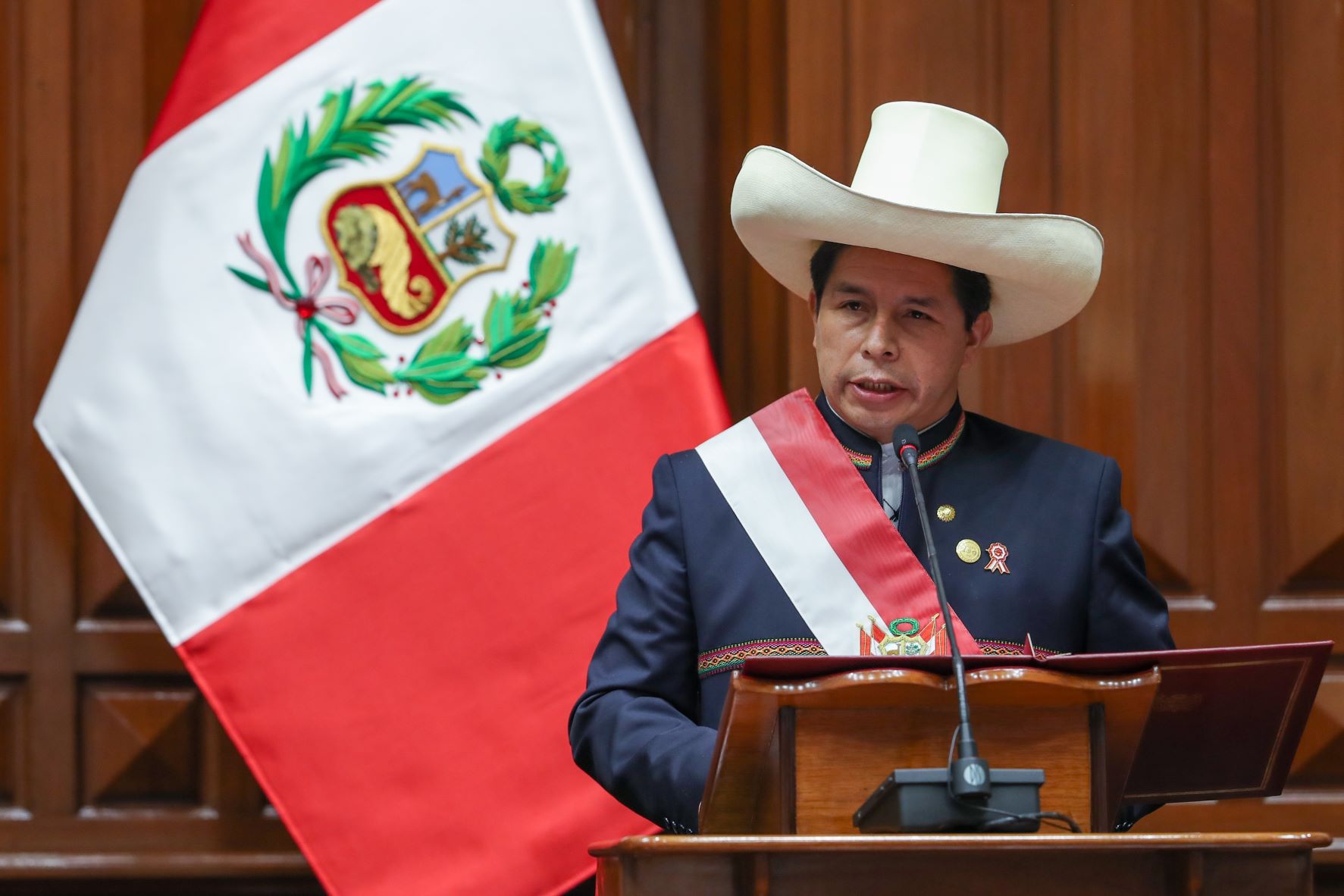
The Peru presidential election runoff results remain in a state of flux as the processing of overseas ballots narrows the margin between Keiko Fujimori and Pedro Castillo. While Castillo currently holds a lead, Fujimori has gained significant ground through high vote tallies from Peruvian citizens living abroad, particularly in Colombia, making the final outcome dependent on the official scrutiny of contested electoral acts.
The National Office of Electoral Processes (ONPE) is currently managing the tallying of votes, a process complicated by a razor-thin margin between the two leading candidates. As of the latest updates, the gap between the candidates has shrunk to fewer than 10,000 votes following the integration of results from various international polling stations. This shift has placed the final determination of the presidency in a period of intense legal and administrative scrutiny.
The election, which serves as a second-round runoff, has seen a distinct divergence between domestic and international voting patterns. While Pedro Castillo has maintained strength within Peru’s rural and southern regions, Keiko Fujimori has seen a surge in support from the Peruvian diaspora. According to reports regarding the voting trends in Colombia, Fujimori secured approximately 73% of the votes cast by Peruvians in that country, a factor that has been instrumental in her efforts to close the gap in the national total.
How overseas votes are shifting the margin
The integration of “actas del exterior”—tally sheets from overseas voting stations—has fundamentally altered the mathematical landscape of the runoff. In previous stages of the count, domestic results suggested a more comfortable lead for Pedro Castillo, but the influx of international data has brought the candidates within striking distance of one another.
For the Peruvian electorate living abroad, the voting process has become a critical component of the national political calculation. The high concentration of Fujimori support in countries like Colombia has provided her campaign with a mathematical lifeline. However, the ONPE has noted that the validation of these international votes requires a rigorous verification process to ensure the integrity of the tally sheets, as discrepancies in signatures or totals can lead to “observed” status.
The impact of these votes extends beyond the immediate numbers. The reliance on diaspora votes has introduced a layer of complexity to the counting process, as officials must reconcile physical tally sheets sent from various consulates with the digital records maintained by the central electoral authority. This process is essential to prevent any challenges to the legitimacy of the final result, which is already being closely watched by international observers.
The role of ‘actas observadas’ in the vote count
A central point of tension in the current electoral cycle is the status of “actas observadas,” or observed tally sheets. An acta is considered “observed” when electoral observers, party representatives, or the ONPE itself identify inconsistencies in the document. These inconsistencies can range from minor clerical errors to significant discrepancies in the number of ballots cast versus the number of voters recorded.
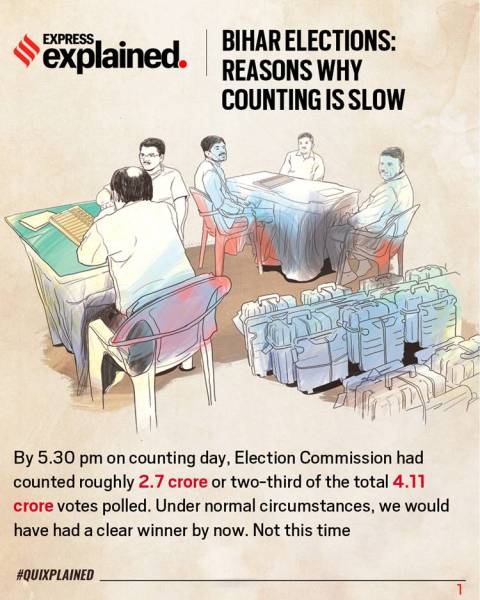
When an acta is observed, it cannot be immediately integrated into the official count. Instead, it must undergo a secondary scrutiny process. This involves:
- Verification of signatures: Ensuring that the officials who presided over the polling station signed the document correctly.
- Mathematical reconciliation: Checking that the sum of the votes for each candidate matches the total number of ballots used.
- Legal review: Addressing formal challenges filed by the legal teams of either the Fujimori or Castillo campaigns.
The sheer volume of these contested documents is a primary reason why a definitive winner has not yet been proclaimed. Each observed acta represents a potential shift in the vote total, and in an election where the margin is less than 10,000 votes, even a small number of validated or invalidated sheets could change the outcome of the presidency.
Why the final result is delayed until July
The timeline for proclaiming the winner has been extended due to the mandatory legal requirements for electoral scrutiny. The ONPE has indicated that the full process of counting, verifying, and resolving all legal challenges will likely take several weeks, with a final proclamation potentially not occurring until July.

This delay is not merely administrative; it is a legal safeguard designed to ensure the stability of the transition of power. In Peru, the electoral law requires that all formal appeals regarding the validity of votes be resolved before the official winner is declared. Because both the Fujimori and Castillo campaigns have signaled their intent to challenge specific segments of the count, the electoral authority must prepare for a prolonged period of legal maneuvers.
The delay also allows for the official resolution of the “observed” tallies mentioned above. Until every contested acta has been either cleared for the final count or officially discarded, the ONPE cannot legally certify the results. This period of uncertainty is expected to continue as the judicial and electoral bodies work through the backlog of challenges.
| Region/Category | Primary Candidate Strength | Key Contributing Factor |
|---|---|---|
| Domestic (Rural/Southern Peru) | Pedro Castillo | Strong support in Andean regions |
| Domestic (Urban/Lima) | Highly Contested | Split electorate and high volatility |
| Overseas (e.g., Colombia) | Keiko Fujimori | 73% of the diaspora vote in specific regions |
| International Tally Status | Variable | Dependent on “actas observadas” resolution |
What happens next in the Peruvian electoral process
The immediate focus for both political camps and the ONPE is the resolution of the remaining overseas tallies and the formal adjudication of the contested actas. As the number of uncounted votes decreases, the mathematical margin will either stabilize or continue to fluctuate based on the outcome of the legal reviews.
Following the resolution of these disputes, the ONPE will proceed to the final stage of the electoral cycle: the official proclamation of the President-elect. This step is required before the inauguration can take place, ensuring that the winner possesses a clear and legally unassailable mandate from the voters.
The next confirmed checkpoint in this process is the scheduled release of the next batch of verified tally sheets by the ONPE, which will provide further clarity on the narrowing margin. Observers will be closely monitoring the official announcements to determine if the current trend of Fujimori gaining ground through international votes holds steady.
We invite you to share your thoughts on the implications of these election results in the comments below. Stay tuned for further updates as the official count progresses.
Keep reading