
Peru currently faces a period of intense political uncertainty as the nation awaits the final results of a presidential election that will determine its ninth head of state in just one decade. With the vote count ongoing, the race remains too close to call, leaving the country at a critical juncture regarding its future governance and domestic policy direction. According to the Oficina Nacional de Procesos Electorales (ONPE), the official body overseeing the tally, the final outcome will be announced once the full count is verified and processed in the coming days.
The electoral contest features two distinct visions for the South American nation. On one side is Keiko Fujimori, a right-wing candidate who has centered her platform on aggressive measures to combat rising crime rates. Fujimori is the daughter of the late Alberto Fujimori, who served as president from 1990 to 2000 and was later convicted for human rights abuses, as documented by Human Rights Watch. Her campaign has drawn significant attention due to her father’s polarizing legacy and her own political history in the Peruvian congress.
Representing the left-wing, Roberto Sanchez has campaigned on a platform aimed at bridging the socioeconomic divide that persists between Peru’s urban centers and its marginalized rural regions. Sanchez is a known political ally of former president Pedro Castillo, who was removed from office and subsequently detained in December 2022 following an attempt to dissolve the legislature, an event detailed by the BBC. The outcome of this election is expected to set the tone for Peru’s political stability as it seeks to move past years of frequent leadership turnover.
Understanding the Current Political Climate
The high frequency of presidential transitions in Peru has created a volatile environment for both citizens and international observers. Since 2016, the country has navigated multiple impeachments, resignations, and periods of civil unrest. The current election is seen as a pivotal attempt to establish a more durable administration. According to the Organization of American States (OAS), which has monitored recent democratic processes in the region, the integrity of these procedures is vital for the restoration of public trust in state institutions.
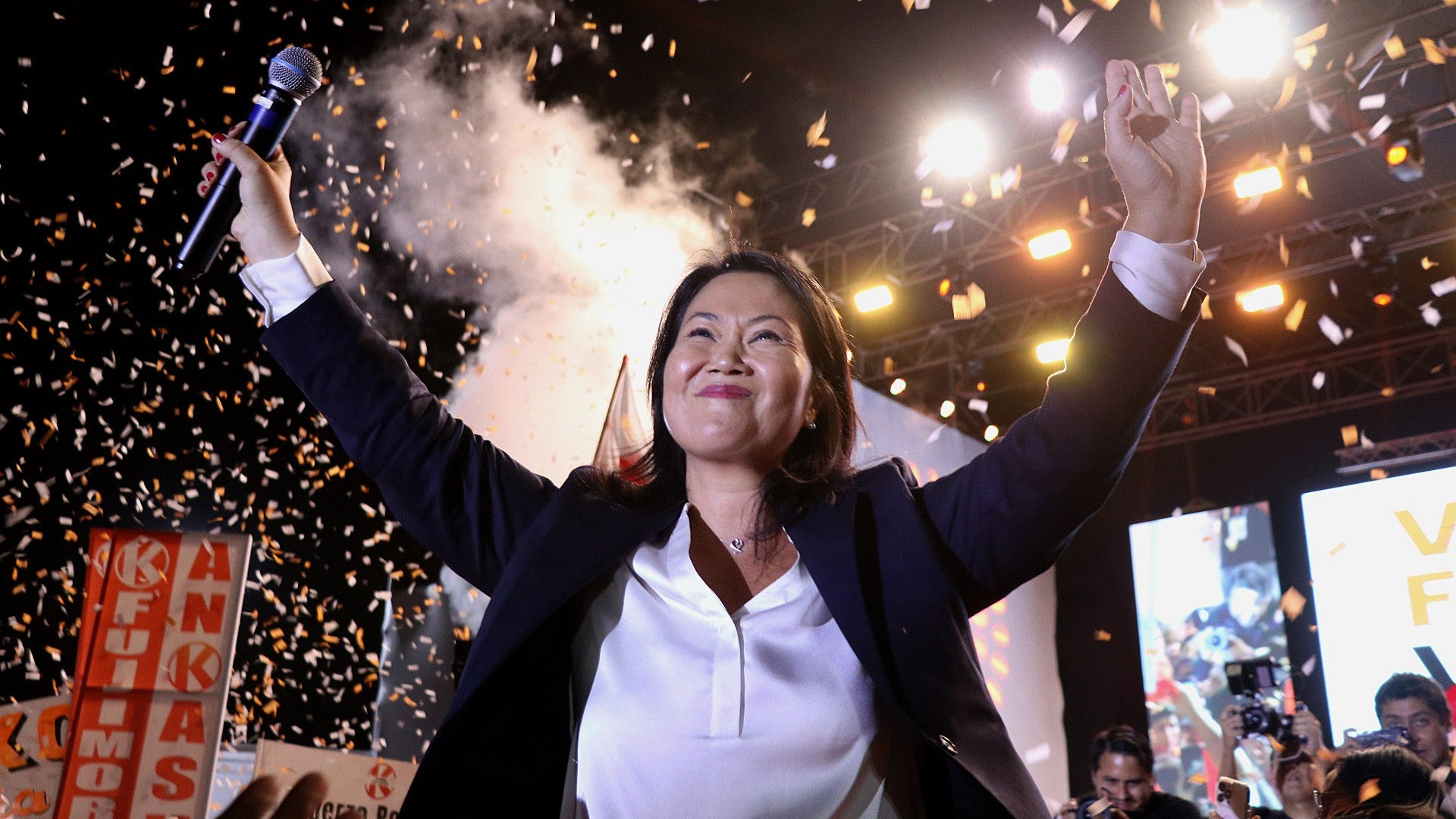
The socioeconomic divide remains a central theme for voters. While urban areas in Peru have seen significant economic growth over the last two decades, rural populations have often struggled with limited access to basic services and infrastructure. Roberto Sanchez’s platform addresses these disparities, appealing to voters who feel left behind by traditional political parties. Conversely, Keiko Fujimori’s focus on security resonates with a segment of the electorate concerned about the prevalence of street crime and the influence of criminal networks, a concern frequently highlighted in reports by the InSight Crime monitoring group.
The Path to Final Results
As the ONPE continues to process the ballots, the focus is on the verification of votes from remote regions, where the logistical challenges of transport can delay the final tally. Election officials have reiterated that the process is being conducted in accordance with national electoral laws to ensure transparency. In previous election cycles, the period between the initial count and the final certification has been marked by heightened political tension and legal challenges filed by participating parties.
The international community is closely watching the developments, as the results will influence Peru’s standing in regional trade agreements and its diplomatic relations with neighboring countries. The next official checkpoint will be the release of the final, audited vote count by the electoral authorities. Citizens and stakeholders are encouraged to monitor the official portal of the Oficina Nacional de Procesos Electorales for verified updates regarding the certification of the winner.
This evolving story will continue to develop as the last of the ballots are counted. We invite readers to share their perspectives on the potential impact of this election in the comments section below.
Related reading