The United States Department of Defense is seeking a multi-billion dollar increase in funding from Congress to manage the intensifying fiscal demands of a prolonged military engagement involving Iran. According to recent internal budget projections, the estimated cost of these operations has climbed to $37.5 billion, marking a significant upward revision from the $29 billion figure cited by officials in early May.
This request for additional appropriations comes as the Pentagon faces mounting pressure to sustain regional military deployments and ongoing operational requirements. The updated fiscal assessment, which tracks with rising fuel, logistics, and munitions expenditures, reflects the complexities of maintaining a high-tempo military posture in the Middle East. Secretary of Defense Pete Hegseth has signaled that these revised figures are necessary to ensure that forces remain adequately equipped and supported as the geopolitical environment remains volatile.
Budgetary Pressures and Operational Costs
The delta between the May estimate of $29 billion and the current $37.5 billion projection underscores the escalating financial burden of the current strategy. Financial analysts within the defense sector note that such fluctuations are often driven by the “cost of readiness,” which includes the acceleration of supply chain replenishment and the extended deployment cycles for naval and air assets. As detailed in the Department of Defense Fiscal Year 2025 budget framework, maintaining parity in a contested theater requires consistent, high-level funding that accounts for both planned and contingency operations.
The request for funds is expected to undergo rigorous scrutiny by the House and Senate Appropriations Committees. Lawmakers are tasked with balancing the immediate requirements of the Pentagon against broader fiscal constraints and the national debt limit. Historical precedents for wartime funding, such as the supplemental packages passed during previous decade-long engagements, suggest that the debate will center on whether these costs should be integrated into the base budget or handled through separate emergency supplemental bills.
Strategic Implications of the Prolonged Engagement
Beyond the immediate dollar figures, the Pentagon’s request signals a shift in expectations regarding the duration of the conflict. By adjusting the budget upward, the Department of Defense is acknowledging that the current operational tempo is not a short-term anomaly but a sustained reality. This recalibration affects long-term military planning, including the procurement of precision-guided munitions and the maintenance of satellite communications infrastructure, both of which have seen increased utilization rates over the past six months.
Strategic experts emphasize that the financial cost is only one component of the broader impact. The Council on Foreign Relations notes that regional tensions often lead to broader economic disruptions, including volatility in global shipping lanes and energy markets. For the Pentagon, the focus remains on deterrence and the protection of U.S. personnel and assets, even as the fiscal requirements to achieve those objectives continue to grow.
Congressional Oversight and the Path Forward
The legislative process for approving these funds will likely begin with a series of closed-door briefings for the defense committees. These sessions serve as the primary mechanism for lawmakers to verify the Pentagon’s accounting methods and to question how the requested $37.5 billion will be allocated across various branches of the military. Transparency remains a point of contention; members of Congress have historically requested detailed breakdowns of “operations and maintenance” spending to ensure that funds are not being diverted to secondary priorities.
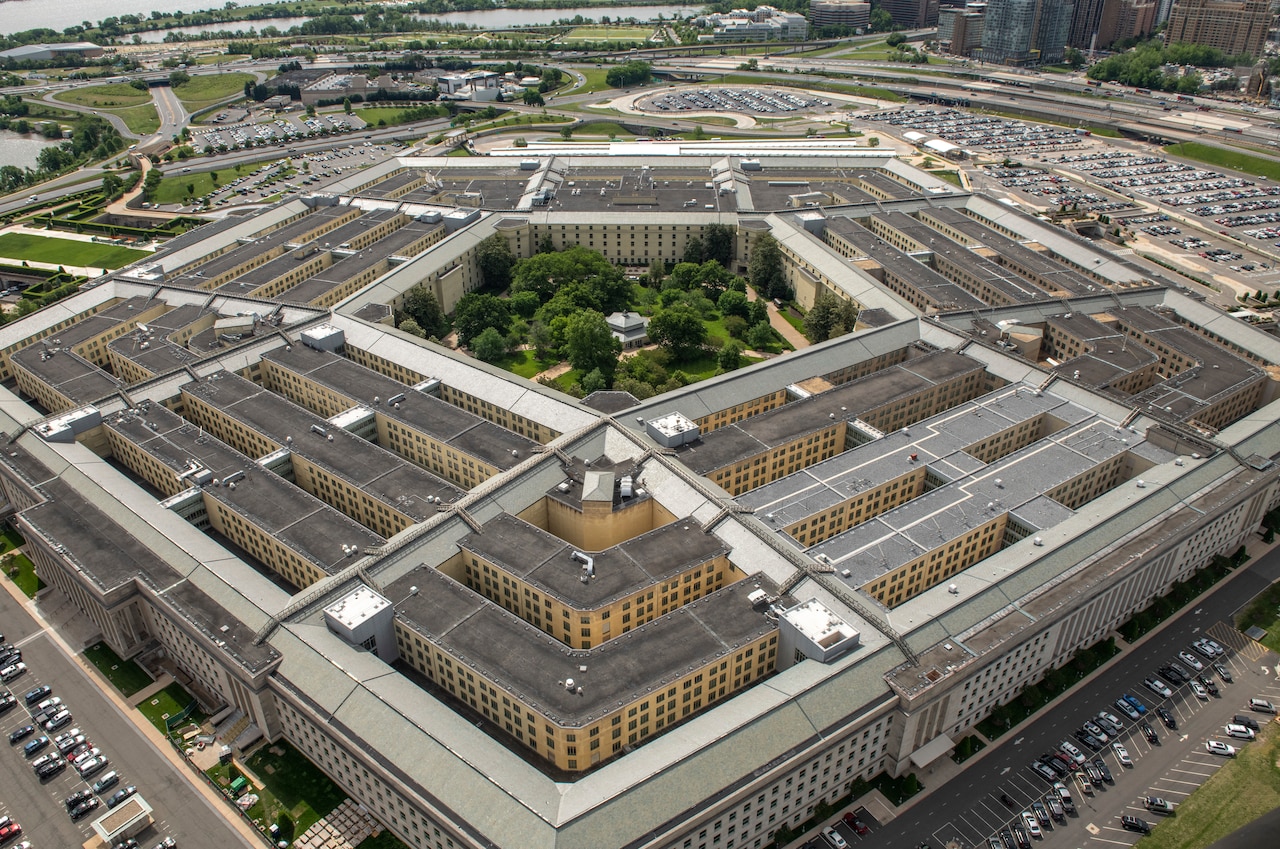
The next major checkpoint for this funding request will be the upcoming congressional hearings scheduled for the next budget cycle. During these proceedings, defense officials will be required to justify the $8.5 billion increase in expenditures since the spring. For stakeholders and the public, these hearings will provide the most comprehensive look at the administration’s fiscal strategy regarding Iran. Updates on the status of these appropriations will be posted to the House Committee on Appropriations official portal as the legislative calendar progresses.
We welcome your perspective on the economic impact of these defense expenditures. Please join the conversation below by sharing your thoughts on how the government should balance military readiness with long-term fiscal stability.
Worth a look