The Pentagon is reportedly seeking approximately $80 billion to address security requirements in the Middle East, specifically targeting the rising threat from Iran. This request faces significant opposition in a divided U.S. Congress, where lawmakers are weighing the necessity of regional defense against growing concerns over federal spending and fiscal responsibility.
The proposed funding, according to reports regarding the upcoming defense budget priorities, aims to bolster military readiness, enhance missile defense capabilities, and maintain a strategic presence to deter Iranian regional influence. However, the request arrives at a period of intense political friction in Washington, as members of both parties grapple with the implications of large-scale supplemental spending amidst a broader debate over the national debt.
While the Department of Defense has not officially finalized the specific $80 billion figure in a single, unified legislative package, the amount reflects the projected costs of maintaining high-alert status in the Middle East and addressing the proliferation of Iranian-aligned proxy activities. The budgetary battle is expected to be a defining feature of the upcoming legislative session, testing the ability of the incoming administration to secure its primary security objectives.
The $80 Billion Request and the Congressional Divide
The push for $80 billion in additional defense funding is meeting immediate resistance from a fragmented Congress. The legislative impasse is characterized by a clash between “security hawks,” who argue that immediate funding is essential to prevent an escalation of conflict with Iran, and “fiscal hawks,” who demand stricter oversight and a reduction in overall defense spending.
Republican lawmakers, while generally supportive of a strong military posture against Iran, have expressed concerns regarding the lack of specific line-item transparency in the requested funds. Many within the party are calling for a more granular breakdown of how the $80 billion would be allocated between direct military operations, intelligence gathering, and regional ally support. Conversely, Democratic lawmakers have raised questions about the potential for such funding to trigger unintended escalations, advocating for a diplomatic approach to de-escalate tensions in the Persian Gulf.

The debate is further complicated by the broader context of the U.S. federal budget. With the national debt continuing to rise, any request for supplemental funding—particularly one of this magnitude—is subject to intense scrutiny. Lawmakers are increasingly demanding that new security spending be offset by cuts in other areas of the defense budget, a move that could impact existing programs in the Indo-Pacific or European theaters.
Legislative analysts note that the success of this funding request will likely depend on the administration’s ability to frame the expenditure not merely as a “war fund,” but as a necessary investment in regional stability and the protection of global maritime trade routes, such as the Strait of Hormuz. The political cost of failure is high; a rejection of the funding could leave U.S. forces in a diminished state at a time when regional volatility is at a multi-year high.
The Geopolitical Driver: Escalating Tensions with Iran
The primary driver behind the Pentagon’s request is the evolving security landscape in the Middle East, dominated by the strategic maneuvers of the Islamic Republic of Iran. U.S. intelligence and defense officials have identified several key areas where Iranian activity necessitates increased American military expenditure.
First, the expansion of Iran’s ballistic missile and Unmanned Aerial Vehicle (UAV) programs remains a critical concern. Iranian-made drones and missiles have been utilized by various proxy groups to target international shipping and regional military installations. Addressing this threat requires significant investment in advanced interceptor technologies and integrated air and missile defense (IAMD) systems for both U.S. forces and regional allies.
Second, the activities of Iran-aligned militias, often referred to as the “Axis of Resistance,” continue to challenge U.S. interests across Iraq, Syria, Yemen, and Lebanon. These groups, including Hezbollah and the Houthis, utilize asymmetric warfare tactics that demand a costly and constant U.S. response. The Pentagon’s request includes provisions for enhanced intelligence, surveillance, and reconnaissance (ISR) to better track and disrupt these non-state actors.
Third, the long-standing issue of Iran’s nuclear program remains a central pillar of regional instability. While the specific funding requested for the Pentagon is focused on defense and deterrence, the underlying threat of a nuclear-capable Iran drives the requirement for a robust and highly mobile military presence in the region. This includes the maintenance of carrier strike groups and the deployment of advanced fighter aircraft to regional hubs.
The Pentagon’s strategy appears to be centered on “integrated deterrence”—a concept that seeks to combine military strength with diplomatic and economic pressure to prevent conflict before it begins. However, implementing this strategy requires the very resources that are currently being debated on Capitol Hill.
The Role of Incoming Defense Leadership
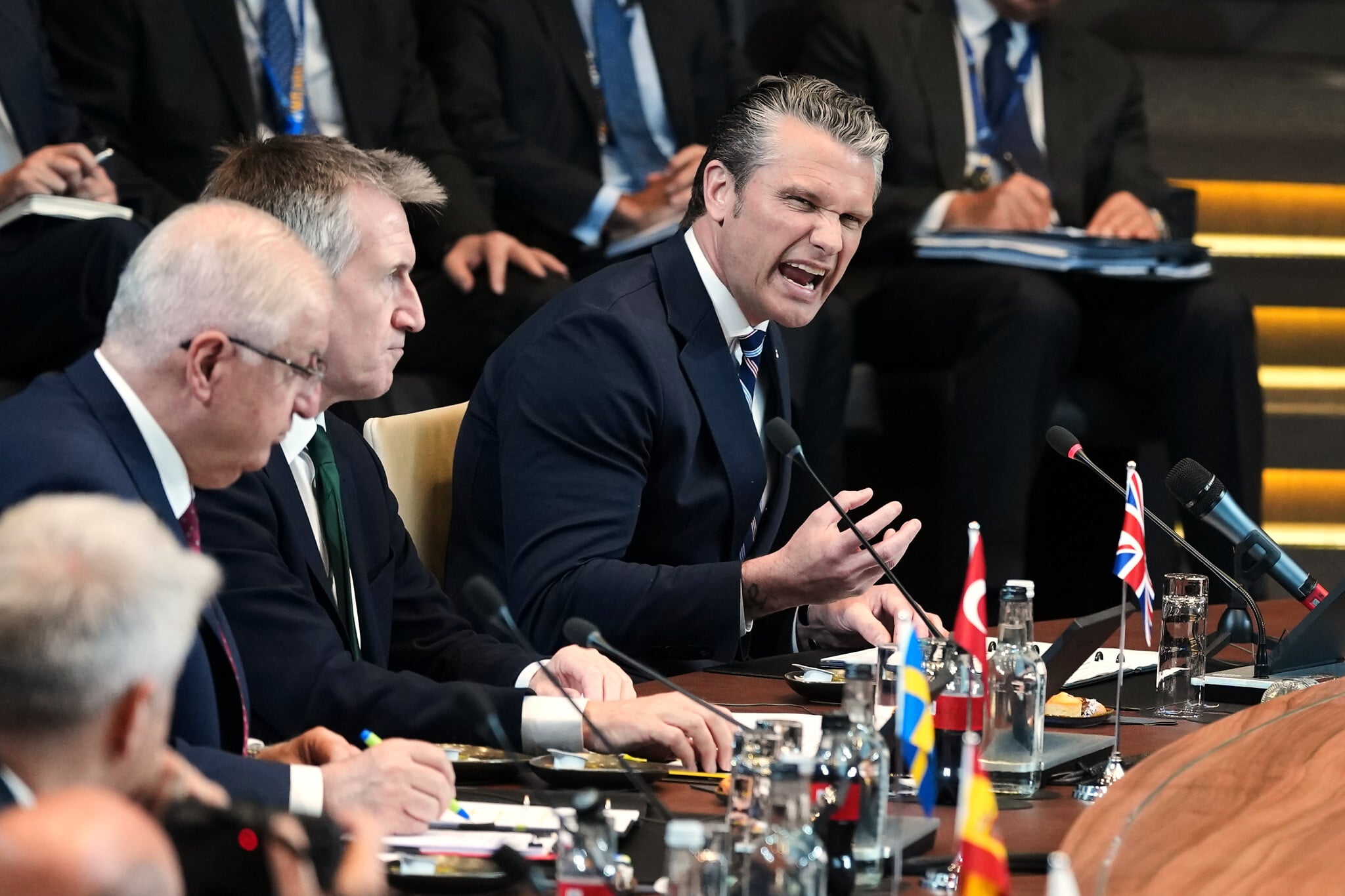
The management of this massive budgetary request will fall to the incoming leadership of the Department of Defense. Pete Hegseth, the nominee for Secretary of Defense, is expected to play a central role in articulating the administration’s defense priorities to Congress. Hegseth’s background and stated views on military readiness are expected to shape how the Pentagon approaches both the budget and the strategic challenge posed by Iran.
As the nominee, Hegseth will undergo a confirmation process that will likely include intense questioning regarding his views on Middle East policy and the fiscal management of the Department of Defense. His ability to navigate the political divide in Congress will be critical to the administration’s ability to secure the $80 billion needed for its regional security objectives.
Observers expect the incoming Secretary to emphasize several key themes in his defense of the budget:
- Combat Readiness: Arguing that current funding levels are insufficient to maintain the high state of readiness required to respond to sudden Iranian aggression.
- Technological Superiority: Prioritizing investments in AI, autonomous systems, and hypersonic defense to counter the rapid technological advancements of Iran and its allies.
- Alliance Strengthening: Framing the funding as a means to bolster the capabilities of regional partners, thereby reducing the direct burden on U.S. forces.
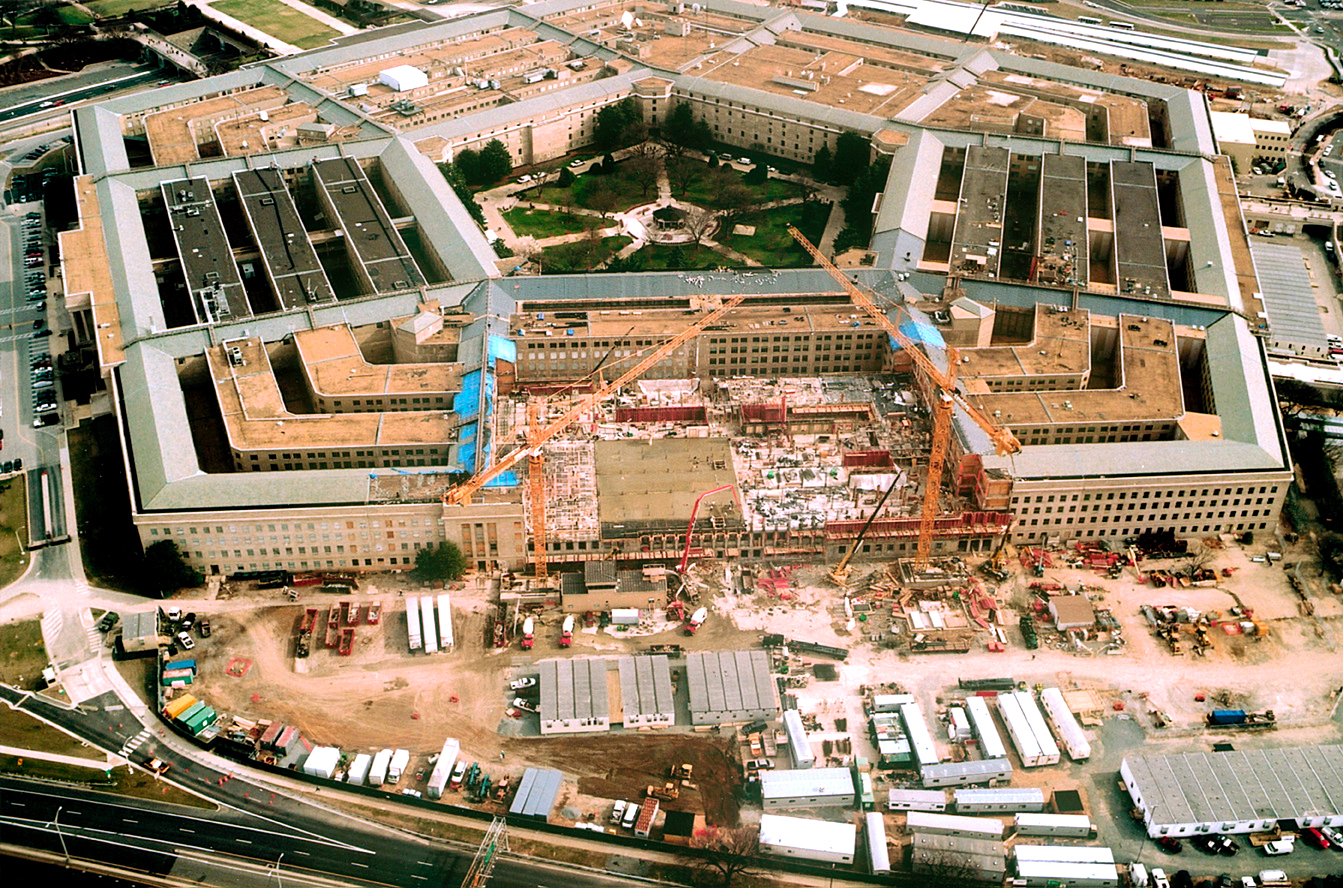
The transition of leadership at the Pentagon comes at a sensitive time. The incoming Secretary will inherit a department facing complex logistical challenges, a shifting global order, and a Congress that is increasingly skeptical of large-scale, open-ended military spending.
Comparison of Regional Defense Funding Trends
To understand the scale of the requested $80 billion, it is helpful to compare it to previous funding cycles and regional security priorities. The following table provides a breakdown of how various security-related funds have been approached in recent years.

| Funding Type / Period | Primary Focus | Estimated Scale | Political Context |
|---|---|---|---|
| Recent Supplemental Requests | Ukraine/Israel/Indo-Pacific | $60B – $100B (combined) | Broad bipartisan support for specific allies, but high debate over total volume. |
| Annual Middle East Contingency | Regional presence & maritime security | $5B – $15B (annual) | Generally consistent, though subject to annual budget negotiations. |
| Proposed New Request | Iran-specific deterrence & proxy response | ~$80B (reported) | Highly contentious; facing significant scrutiny over fiscal impact. |
This comparison highlights that while large-scale supplemental packages are not unprecedented, a request specifically targeted at countering Iranian influence represents a significant shift in the scale and focus of Middle East-related defense spending.
Implications for Global Stability and Trade
The outcome of this budgetary battle has implications that extend far beyond the halls of Congress. A failure to fund the Pentagon’s requested capabilities could have direct consequences for global economic stability, particularly regarding maritime security.
The Strait of Hormuz, a narrow waterway through which a significant portion of the world’s oil passes, remains a primary flashpoint. Any perceived weakness in U.S. naval presence or missile defense capabilities could embolden Iran to disrupt shipping lanes, leading to immediate spikes in global energy prices and widespread economic volatility.
Furthermore, the strategic vacuum created by a lack of funding could alter the regional balance of power. If the United States is unable to provide credible deterrence, regional actors may feel compelled to pursue their own independent security arrangements, potentially leading to a more fragmented and unpredictable Middle East. This could include increased arms racing among regional states or a greater reliance on other global powers, such as China, to provide security guarantees.
Ultimately, the $80 billion request is a reflection of the high cost of maintaining the current international security architecture. The debate in Washington is not just about dollars and cents; it is about the fundamental question of how much the United States is willing to spend to manage global volatility and prevent large-scale conflict.
Next Steps: The next major checkpoint in this process will be the upcoming Senate confirmation hearings for the Secretary of Defense nominee and the scheduled budget reconciliation hearings in the House Appropriations Committee. These proceedings will provide the first official platform for the administration to defend its requested figures and for lawmakers to voice their specific concerns.
What are your thoughts on the proposed defense funding? Do you believe the $80 billion is necessary for regional stability, or should Congress prioritize fiscal restraint? Let us know in the comments below and share this article with your network.
Worth a look