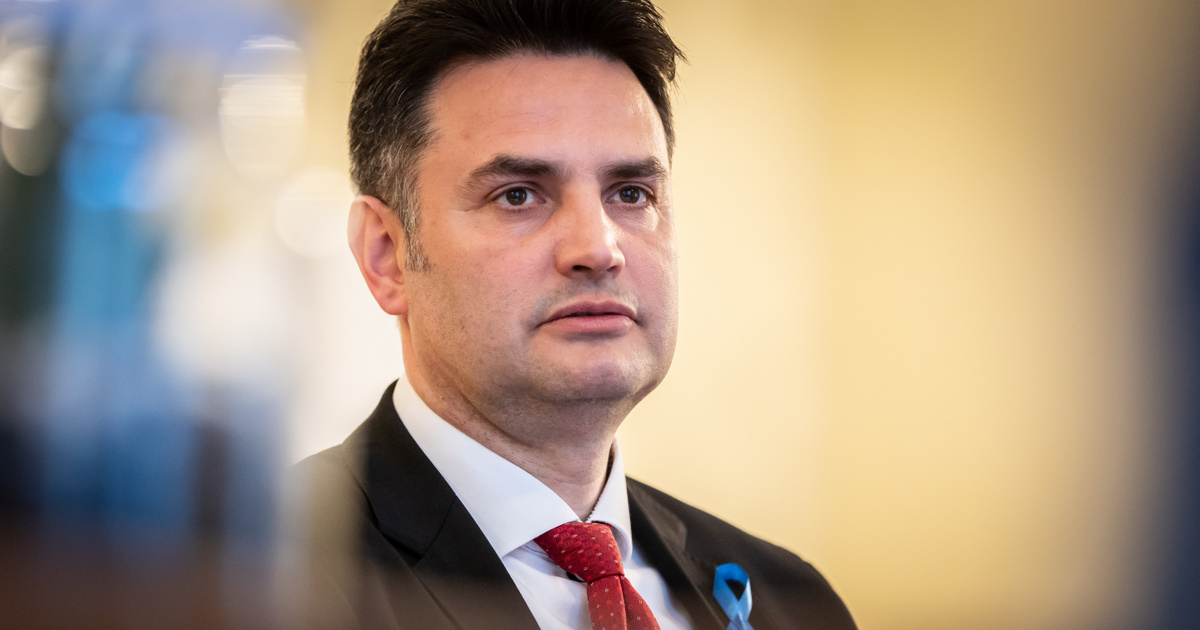
Hungarian politician Péter Márki-Zay has publicly accused János Lázár, the Minister of Construction and Transport, of establishing a new record in administrative performance, according to recent statements made by the former Hódmezővásárhely mayor. The critique centers on ongoing concerns regarding the efficiency and management of state-funded infrastructure projects under Lázár’s portfolio, a topic that continues to spark debate within the national political landscape. As of June 2026, these accusations highlight the persistent tension between central government ministers and local opposition leadership regarding the allocation and execution of public works.
The Context of the Recent Allegations
The remarks from Péter Márki-Zay, who previously served as the joint opposition candidate for prime minister in the 2022 Hungarian parliamentary election, suggest a deepening scrutiny of the Ministry of Construction and Transport. Márki-Zay’s commentary specifically targets the operational pace and budgetary oversight of projects overseen by Minister János Lázár. While the political discourse in Hungary is frequently characterized by sharp exchanges between the ruling Fidesz party and its opposition, this particular critique focuses on the tangible outcomes of ministerial directives, specifically questioning whether the current management standards align with the government’s previous commitments to infrastructure development.

According to the official government records regarding the Ministry of Construction and Transport, the current administration has been managing a significant portfolio of investments aimed at modernizing the national railway and road network. The Ministry’s official portal provides details on ongoing tenders and project timelines, which serve as the primary point of reference for both proponents and critics of the current transport policy. For readers tracking these developments, the ministry publishes regular status updates on its official website, which remains the authoritative source for project completion dates and financial expenditures.
Infrastructure Management and Public Accountability
The core of the issue raised by Márki-Zay concerns the transparency and speed of state-led construction projects. In the broader context of Hungarian public administration, the Ministry of Construction and Transport is responsible for executing large-scale projects that require rigorous public procurement processes. The Hungarian Public Procurement Authority maintains a registry of all significant state contracts, offering a verifiable look at which firms are awarded projects and the specific terms of those agreements. This registry is essential for understanding the factual basis of claims regarding project delays or budgetary overruns.
When assessing these claims, it is important to distinguish between political rhetoric and the technical status of infrastructure projects. The European Commission’s country reports on Hungary have historically noted the importance of transparency in public procurement as a prerequisite for the effective use of EU funding. These reports, available through the European Union’s official documentation center, provide an independent perspective on the administrative challenges facing the Hungarian transport sector. By comparing the minister’s stated goals with the data found in procurement filings, observers can better gauge the validity of the criticisms leveled against the ministry’s performance.
What Happens Next?
As the political climate in Hungary continues to evolve, the discourse surrounding ministerial accountability is expected to persist. The next major checkpoint for these discussions will likely occur during the upcoming parliamentary session, where opposition members are slated to submit formal inquiries regarding the status of the transport budget. Interested parties can monitor the proceedings of the Hungarian National Assembly through the official parliamentary archive, which records all plenary sessions and committee debates where Minister Lázár may be required to address such allegations directly.
For those following this story, official updates regarding infrastructure milestones and ministerial responses can be found via the government’s centralized communication platform. Engaging with these primary sources ensures that the debate remains grounded in documented facts rather than speculative commentary. We encourage our readers to share their thoughts and follow our coverage as further official data regarding these infrastructure projects becomes available.
Related reading
- Keiko Fujimori visita el VRAEM: supervisa operaciones militares y ratifica respaldo a las FF. AA.
- Should You Be Worried About Strasbourg? – L’After Foot Analysis
- Roberville-les-Bains Sees Record Tourism Surge Due to Extreme Heatwaves (world-today-news.com)
- Andy Burnham sees modest polling bounce but inherits record-low support (time.news)