
In the high-stakes theater of European diplomacy, few figures command as much attention as Péter Szijjártó, Hungary’s Minister of Foreign Affairs and Trade. Known for his direct, often combative communication style, Szijjártó recently made headlines with remarks that have once again placed Budapest at the center of intense debate within the European Union. While the political landscape remains volatile, understanding the context of these statements requires a look at Hungary’s current strategic positioning on the global stage.
The core of the recent discourse centers on Hungary’s ongoing, often contentious relationship with its European partners and its approach to regional security. For those tracking international relations, Szijjártó’s recent commentary regarding foreign policy priorities serves as a reminder of the ideological divide currently shaping decision-making in Brussels and beyond. As an editor who spends much of my time analyzing the strategic movements of nations, I find it essential to peel back the layers of rhetoric to see what is actually driving these policy shifts.
To understand why these statements have garnered such widespread attention, we must look at the specific diplomatic challenges currently facing the Hungarian government. These include ongoing tensions regarding energy security, the allocation of EU funds, and the broader geopolitical stance on the conflict in Ukraine. The Hungarian government has frequently stated that its primary obligation is to protect its national interest, a stance that often places it at odds with the consensus-driven approach preferred by many other member states of the European Union.
The Diplomatic Strategy Behind the Rhetoric
Péter Szijjártó has consistently maintained that Hungary’s foreign policy is guided by the principle of “connectivity” rather than “bloc-building.” This approach, which the Minister frequently defends in public forums, involves maintaining open economic and diplomatic channels with a wide array of global partners, including those often viewed with skepticism by other Western governments. According to the Hungarian Ministry of Foreign Affairs and Trade, this strategy is designed to insulate the nation’s economy from the volatility of global trade wars.
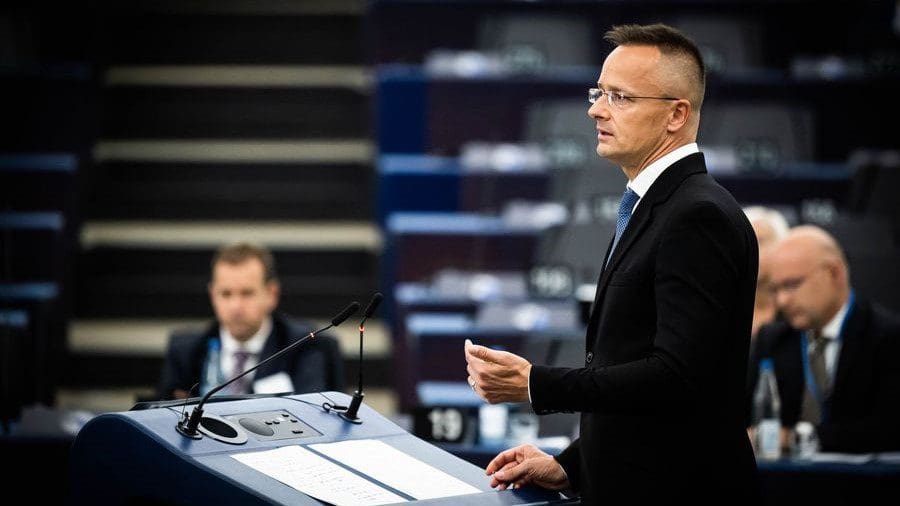
However, critics argue that this approach undermines the collective security and political unity of the European Union. The tension is palpable in the frequent debates held at the Foreign Affairs Council, where ministerial discussions on sanctions, defense spending, and regional stability often reveal deep fractures. Szijjártó’s recent comments, which touched upon the necessity of maintaining sovereign decision-making, were interpreted by many observers as a direct pushback against what he perceives as centralized pressure from Brussels.
The impact of these statements extends beyond mere headlines. For the average citizen, the real-world implications are tied to economic stability and the flow of EU structural funds. The European Commission’s rule-of-law conditionality mechanism, which has led to the freezing of certain tranches of funding for Hungary, remains a primary point of friction. Szijjártó has repeatedly labeled these measures as politically motivated, a claim that continues to be a central pillar of his public communication.
Key Takeaways: Understanding the Current Stance
- Sovereignty vs. Integration: The Hungarian government continues to emphasize national interest as the primary driver for its diplomatic decisions, often creating friction with EU institutional norms.
- The Connectivity Strategy: Minister Szijjártó actively advocates for maintaining economic ties with diverse global partners, positioning Hungary as a bridge between East and West.
- Ongoing EU Negotiations: The discourse remains heavily influenced by the ongoing disputes over the rule-of-law conditionality mechanism and the disbursement of frozen EU funds.
- Energy Security: Hungary’s continued reliance on specific energy supply chains remains a critical factor in its foreign policy decisions and its resistance to certain EU-wide sanctions packages.
What Happens Next?
The path forward remains uncertain. The diplomatic calendar is filled with upcoming meetings of the European Council and high-level ministerial summits where these issues will undoubtedly be revisited. The next major checkpoint will involve the ongoing review of the Rule of Law Conditionality Regulation, as the European Commission evaluates whether Hungary has met the milestones required to unlock various tranches of funding.
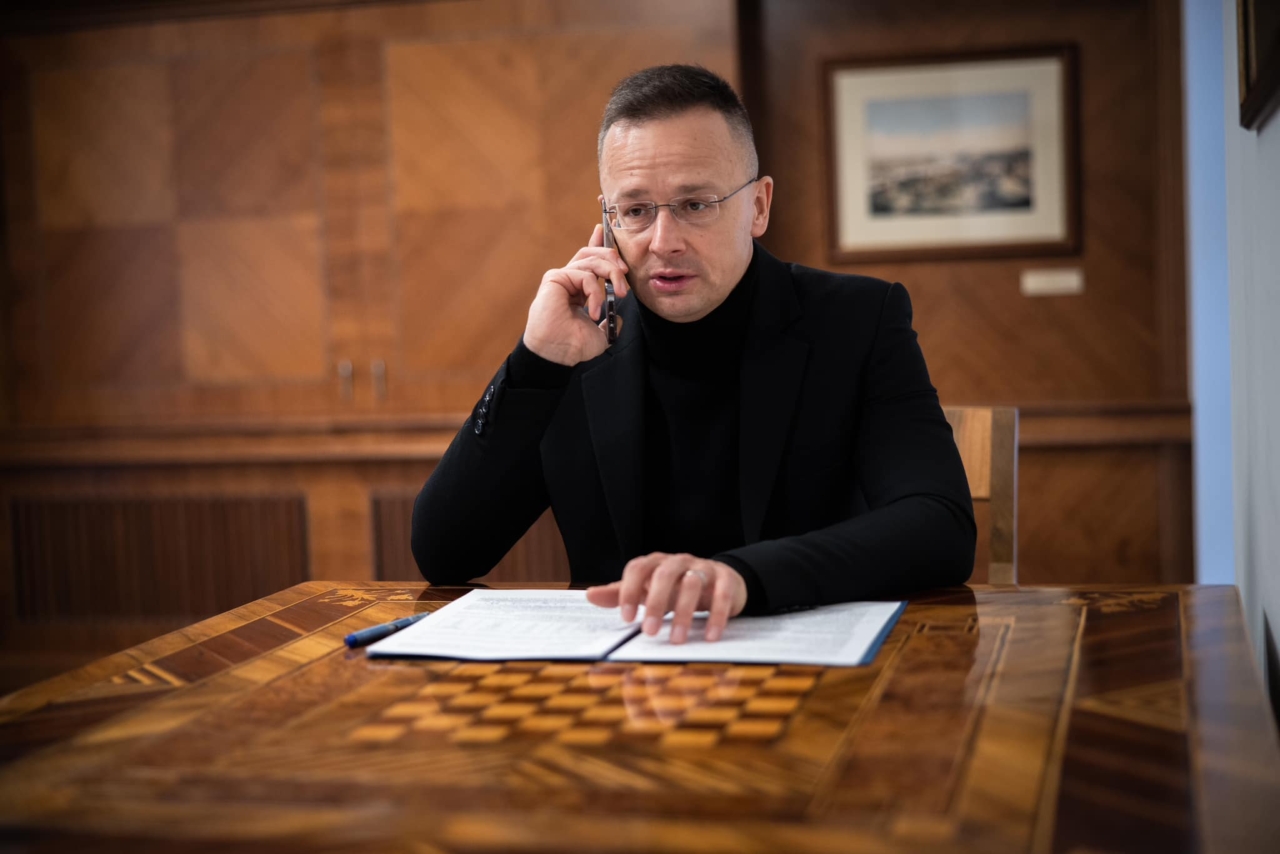
For those interested in the intricacies of international diplomacy, the coming months will provide further evidence of whether this confrontational style of communication leads to tangible policy changes or if it simply reinforces the existing stalemate. As always, we will be monitoring these developments closely to provide you with the facts as they emerge.
What are your thoughts on Hungary’s current diplomatic trajectory? Do you believe that a more independent approach is beneficial for a member state, or does it risk the integrity of the European project? Join the conversation in the comments section below—I look forward to hearing your perspective on these complex issues.