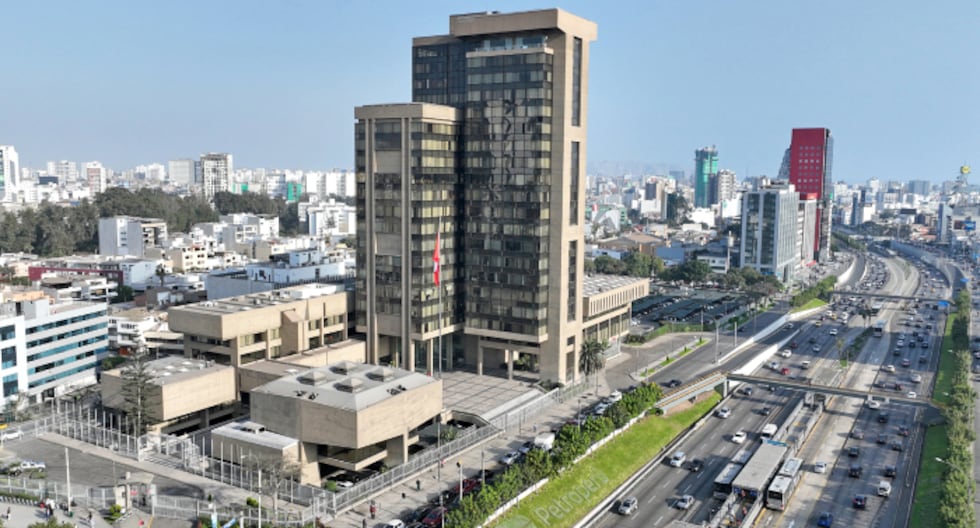
The Petroperú Building Sale: Peru’s High-Stakes Real Estate Opportunity
In a move that could reshape Lima’s skyline and Peru’s energy sector, state-owned oil company Petroperú has announced plans to sell its iconic headquarters—a 12-story building in the heart of the Peruvian capital. The sale, which has already sparked intense speculation among developers, investors, and urban planners, represents a rare opportunity to acquire prime real estate in one of Latin America’s most dynamic markets.
The building, located in the San Isidro district, has long been a symbol of Peru’s oil industry. Now, as Petroperú seeks to divest non-core assets, the question remains: Who will buy it, what will it become, and how will this transaction impact Peru’s economic landscape? With bidding expected to begin in the coming months, here’s what we know—and what’s at stake.
Petroperú, Peru’s national oil company, has been exploring asset sales as part of a broader restructuring strategy aimed at improving financial sustainability. The headquarters building, valued at approximately $25 million according to preliminary estimates from Peru’s Ministry of Economy and Finance, sits on a prime plot in a district known for its high-end residential and commercial properties. The sale could inject much-needed capital into Petroperú’s operations while also catalyzing development in one of Lima’s most sought-after areas.
📍 Location of the Petroperú Headquarters:
Why Is Petroperú Selling Its Headquarters?
Petroperú’s decision to sell its headquarters is part of a broader trend among state-owned enterprises in Latin America to divest non-strategic assets. The company, which has faced financial challenges in recent years due to fluctuating oil prices and operational costs, is seeking to streamline its operations and focus on its core business: oil and gas production.
According to a statement from Peru’s Ministry of Economy and Finance, the sale is expected to generate significant revenue for the company, which could be reinvested in modernizing its refineries and expanding its renewable energy initiatives. “This sale aligns with our commitment to financial transparency and operational efficiency,” said a ministry spokesperson, though exact figures for the expected proceeds have not yet been disclosed.
The building itself is a landmark in Lima’s urban landscape. Constructed in the 1970s, it has undergone several renovations but remains a symbol of Peru’s industrial heritage. Its sale presents an opportunity to repurpose the space—whether for commercial, residential, or mixed-use development—while preserving its architectural significance.
Who Are the Potential Buyers?
The Petroperú building’s prime location and size make it an attractive prospect for a range of buyers, including:

- Real Estate Developers: Companies like Intercorp or Grupo Breca could see the building as a prime opportunity to develop high-end offices, luxury apartments, or a mixed-use complex.
- Foreign Investors: Given Lima’s growing appeal as a business hub, international investors—particularly from the U.S., Canada, and Europe—may be interested in acquiring the property for commercial or hospitality use.
- Government or Public-Private Partnerships: There is speculation that the Peruvian government could partner with private developers to repurpose the building for public use, such as a cultural center or office space for government agencies.
- Energy Sector Players: Other companies in Peru’s energy sector, such as Repsol or Pluspetrol, might be interested in acquiring the building to consolidate operations or expand their presence in Lima.
Bidding for the property is expected to be competitive, with developers already eyeing the potential for high returns. The building’s proximity to Lima’s financial district and its historic significance could further drive up its value.
What Could the Building Become?
The possibilities for the Petroperú building are vast, but several scenarios stand out as the most likely:
- Luxury Office Tower: Given its central location, the building could be converted into a high-end office space, attracting multinational corporations and financial firms looking to establish a presence in Peru.
- Mixed-Use Development: A combination of residential apartments, retail spaces, and offices could maximize the building’s potential, catering to Lima’s growing demand for urban living.
- Hotel or Hospitality Hub: With its iconic status, the building could be repurposed into a boutique hotel or a conference center, leveraging its historic charm and prime location.
- Cultural or Educational Institution: The Peruvian government or private organizations might repurpose the building into a museum, cultural center, or educational institution, preserving its historical significance.
Regardless of its future use, the building’s sale presents an opportunity to revitalize the surrounding area. San Isidro, already one of Lima’s most affluent districts, could see further development as investors flock to acquire prime real estate.
What Does This Mean for Peru’s Economy?
The sale of the Petroperú building is more than just a real estate transaction—it’s a reflection of broader economic trends in Peru. As the country continues to diversify its economy beyond traditional industries like mining and agriculture, state-owned enterprises are increasingly looking to divest non-core assets to focus on strategic growth areas.
For Peru’s real estate market, the sale could signal a surge in high-value transactions, particularly in Lima’s central districts. It may also encourage other state-owned companies to explore similar asset sales, further injecting liquidity into the market.
On the downside, some economists have raised concerns about the potential impact on Petroperú’s operations. While the sale could provide much-needed capital, it also means the company will lose a key asset in the heart of the capital. However, officials have emphasized that the proceeds will be used to strengthen Petroperú’s core business, ensuring long-term sustainability.
Next Steps: What Happens Now?
Petroperú has not yet announced a formal timeline for the sale, but industry insiders expect bidding to begin in the coming months. The company is currently in the process of evaluating potential buyers and determining the most appropriate use for the building.

Interested parties are advised to monitor official announcements from Petroperú and the Ministry of Economy and Finance for updates on the bidding process and any new developments. The sale could also attract attention from international real estate firms, so global investors should stay tuned for further details.
As Lima continues to evolve as a business and cultural hub, the Petroperú building sale represents a pivotal moment—not just for the company, but for Peru’s real estate and economic future.
Key Takeaways
- The Petroperú headquarters in Lima is up for sale as part of the company’s restructuring efforts.
- The 12-story building is valued at approximately $25 million and is located in San Isidro, one of Lima’s most prestigious districts.
- Potential buyers include real estate developers, foreign investors, government entities, and energy sector companies.
- The building could be repurposed as a luxury office tower, mixed-use development, hotel, or cultural institution.
- The sale is expected to generate significant revenue for Petroperú, which will be reinvested in modernizing its operations.
What do you think the Petroperú building should become? Share your ideas in the comments below, and don’t forget to follow World Today Journal for the latest updates on this high-stakes real estate opportunity.