Beyond Compassion: how integrated Pet & Human Healthcare is Bridging teh Gap for Youth Experiencing Homelessness
For many, the bond with a pet is profound – a source of unconditional love, companionship, adn even a lifeline. This connection takes on even greater importance for young people experiencing homelessness, and a groundbreaking study reveals just how powerfully it can be leveraged to improve their access to vital healthcare. A new model of integrated care, where veterinary services are offered alongside human medical care, is proving remarkably effective in engaging a population often resistant to customary healthcare systems.
The challenge: Reaching a Vulnerable Population
Youth experiencing homelessness face immense barriers to healthcare. Distrust of systems, lack of transportation, competing priorities for survival, and the stigma associated with their situation all contribute to delayed or forgone medical attention.This frequently enough leads to worsening health conditions and increased reliance on costly emergency services. But what if a key to unlocking access lay in addressing the health needs of their beloved companions?
The One Health Clinic: A Pioneering Approach
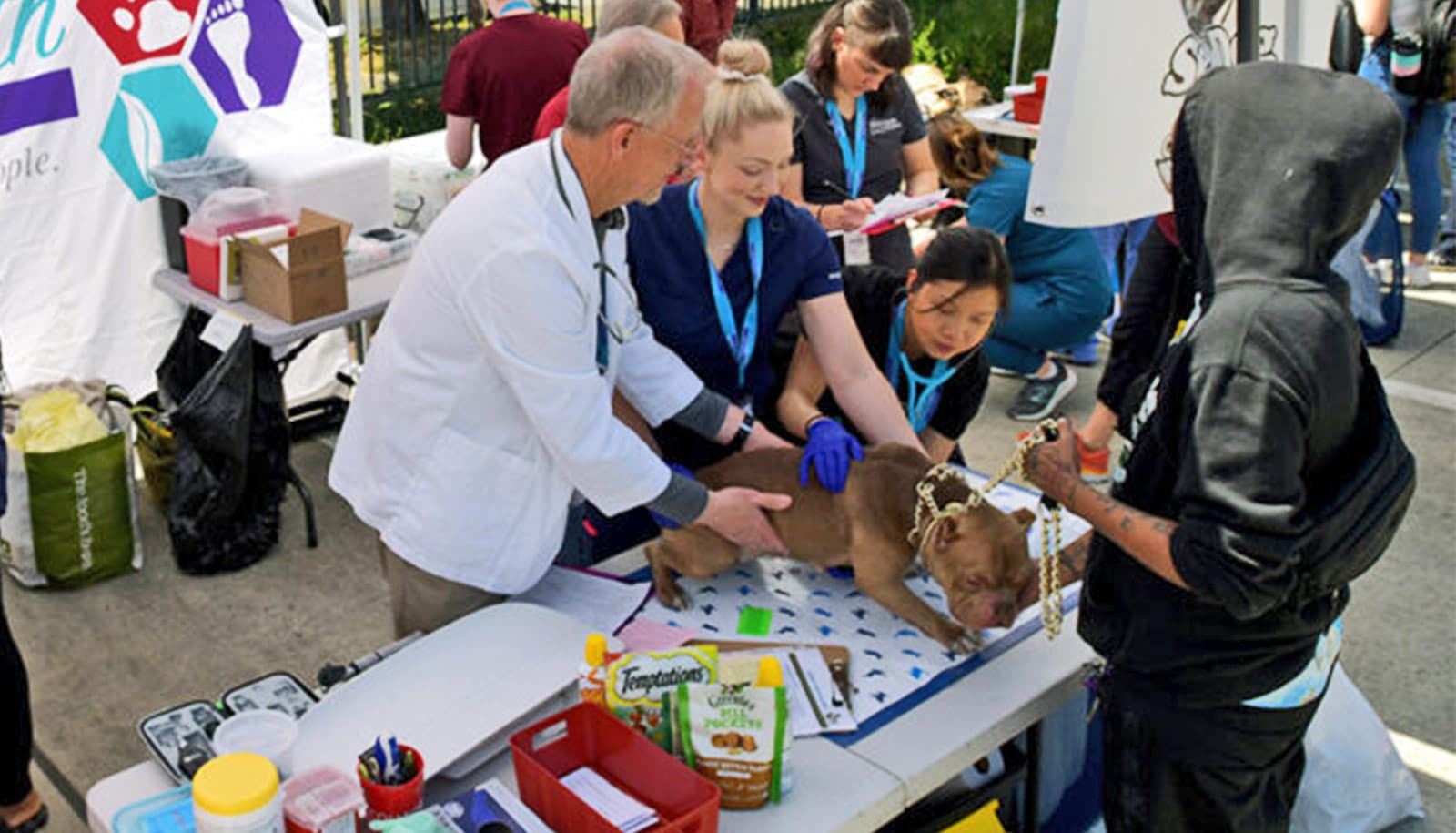
Researchers at Washington State University (WSU) and the University of Washington (UW) are demonstrating the power of this approach through the One Health Clinic in downtown Seattle. This innovative clinic,a seven-year collaboration between WSU’s College of Veterinary Medicine and the UW Center for One Health Research,provides integrated medical and veterinary care.
The clinic operates with a unique team: a Neighborcare Health nurse practitioner and a WSU veterinarian oversee care, while fourth-year WSU veterinary students work alongside health sciences students from UW’s University District Street Medicine club. This interdisciplinary approach fosters a holistic view of health, recognizing the interconnectedness of human and animal well-being.
Study Findings: A Powerful Ripple Effect
A recent study published in the Journal of Primary Care and Community Health analyzed clinic visits between 2019 and 2022, revealing compelling results. Researchers, led by UW postdoctoral researcher Natalie Rejto, found that:
* Nearly 80% of clinic visits resulted in clients receiving human healthcare, even when they initially sought care only for their pets (69%).
* 40 out of 88 human clients established care for the first time in at least two years. This is a significant achievement, demonstrating the clinic’s ability to reach individuals previously disconnected from the healthcare system.
* Over 50% of human patients hadn’t seen a doctor in over two years, yet a remarkable 85% scheduled non-emergency follow-up appointments after their initial visit.
* 85% of clients attended at least one follow-up appointment within two years, highlighting the clinic’s success in fostering ongoing engagement with healthcare.
Building Trust Through a Shared connection
The success of the One Health Clinic isn’t simply about offering convenient co-location of services. It’s about building trust. As Katie Kuehl, a veterinarian at WSU who oversees veterinary care at the clinic, explains, “Providing veterinary care to this population helped animal owners engage in health care, even when the clinic wasn’t happening or there was no veterinary presence there. because we were able to build trust and create that connection with them that starts with their pet, they are far more likely to engage in their own health care.”
This highlights a crucial understanding: for many experiencing homelessness, their pet is family. Addressing the animal’s needs demonstrates respect and compassion, creating a safe and non-judgmental habitat where the owner feels comfortable addressing their own health concerns.
looking Ahead: Expanding Access and Demonstrating Value
The demand for this type of integrated care is clear, with the clinic currently serving approximately 300 clients between May 2024 and May 2025. Natalie Rejto emphasizes the need for further research, stating, “A good next step would be to look at health care and preventative care costs because we know that hospitalizations, surgeries and ER visits are far more expensive than preventative care.”
She also envisions expanding access to preventative care for both people and animals, believing this model holds significant potential for sustainability and broader implementation. The One Health Clinic isn’t just improving the lives of individuals and their pets; it’s demonstrating a viable, compassionate, and cost-effective approach to healthcare for a vulnerable population.
Resources:
* Original Study: [https://doi.org/10.1177/21501319251345973](https://doi.org/10.1177/215013192513