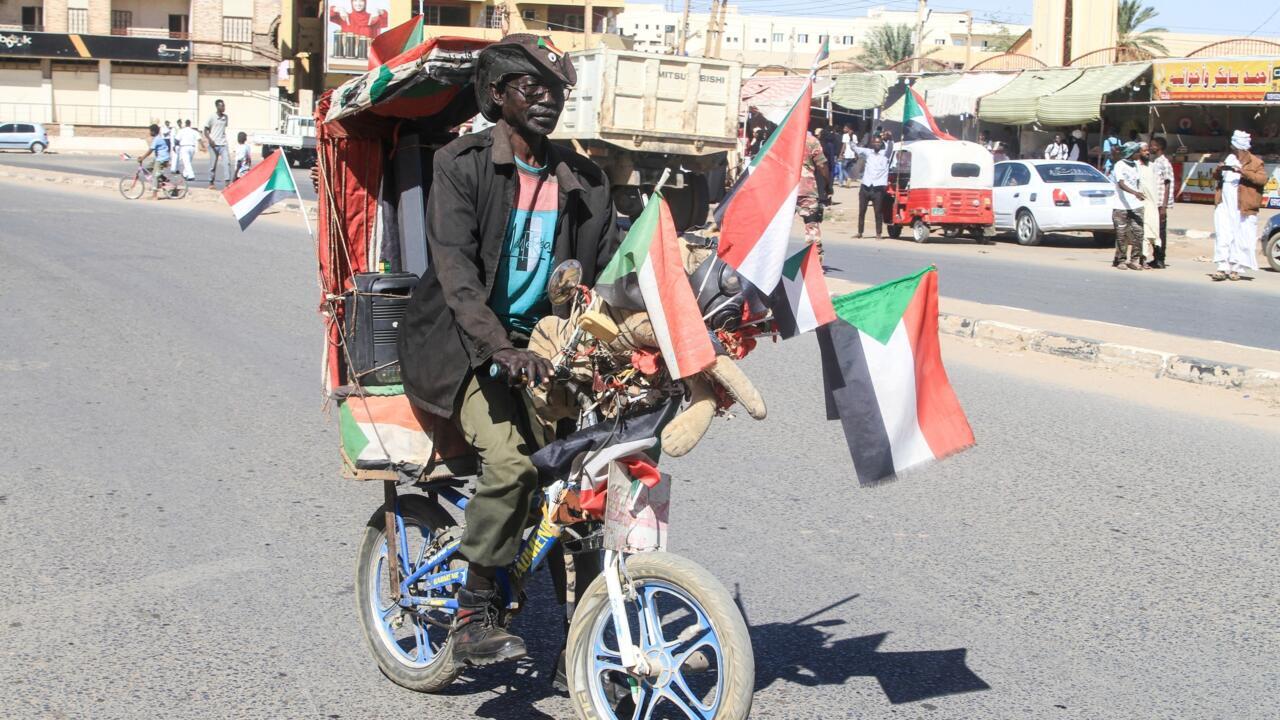
Sudan is experiencing a pivotal moment as its government, led by prime Minister Kamil Idris, has officially resumed operations from Khartoum, marking a meaningful step towards stability after nearly three years of displacement.This return, announced on Sunday, signals a renewed commitment to rebuilding the nation’s capital and restoring essential services to its residents. Understanding the complexities of this transition is crucial, especially considering the ongoing challenges and the immense humanitarian crisis unfolding within the country.
The Return to Khartoum: A Symbol of Resilience
The government’s relocation back to Khartoum follows a period of operating from Port Sudan, necessitated by the outbreak of conflict in April 2023. Initially, the Sudanese military engaged in fierce fighting with the paramilitary Rapid Support Forces (RSF), quickly leading to the army-aligned government’s evacuation from the capital. As the conflict escalated, Khartoum became a battleground, forcing millions to flee their homes and disrupting the lives of countless citizens.
Though, as the army regained control of the city last March, a gradual return has been underway. Prime Minister Idris, addressing reporters in Khartoum, declared, Today, we return, and the Government of Hope returns to the national capital,
promising improved services for the city’s inhabitants.This sentiment reflects a growing optimism, though the road to full recovery remains long and arduous.
For nearly two years, the Sudanese capital – encompassing Khartoum, Omdurman, and Khartoum North (Bahri) – was at the heart of the conflict. Neighborhoods were under
Keep reading