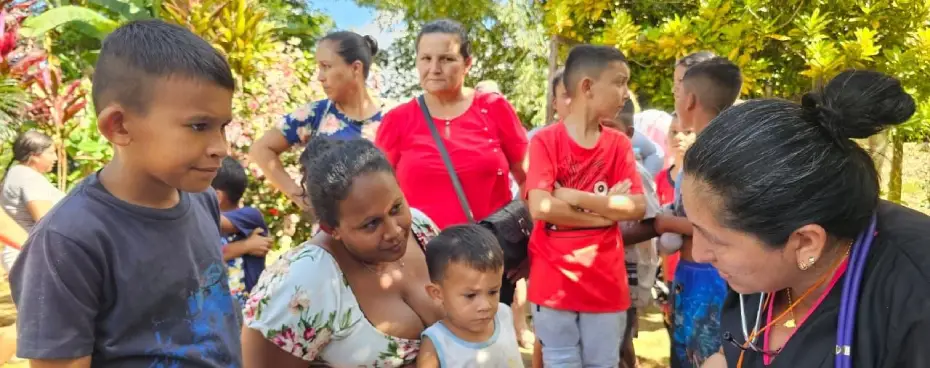
Multidisciplinary health teams have intensified medical outreach efforts in the Arauca department, providing essential clinical services and specialized indigenous health care to remote communities. These operations, coordinated through regional health initiatives, focus on bridging the gap in primary care access for populations residing in geographically isolated areas of Colombia, where traditional health infrastructure often faces significant logistical and cultural barriers.
According to the Colombian Ministry of Health and Social Protection, these interventions are part of a broader national strategy to strengthen the public health network in territories historically affected by conflict and limited resource allocation. By deploying mobile units that include general practitioners, nurses, and specialists trained in intercultural health, the government aims to address both acute medical needs and chronic health disparities identified in rural census data.
Clinical Focus and Indigenous Health Specialization
The medical teams operating in Arauca prioritize a model of care that integrates clinical medicine with respect for local traditions. Specialists in indigenous health act as liaisons, ensuring that diagnostic and treatment processes are culturally safe and accessible. This approach is essential in regions where indigenous communities represent a significant portion of the population and often rely on traditional practices that require integration with modern pharmaceutical and clinical interventions.
Field teams are tasked with conducting health screenings, managing maternal and child health programs, and facilitating access to essential medicines. The coordination of these services is supported by regional health boards, which oversee the distribution of medical supplies to ensure that mobile clinics remain fully stocked. The National Food and Drug Surveillance Institute (INVIMA) maintains regulatory oversight for the pharmaceutical products and medical devices utilized during these outreach missions, ensuring that all distributed medications meet national safety and efficacy standards.
Addressing Logistical Barriers in Rural Healthcare
Providing healthcare in Arauca presents unique challenges, including difficult terrain and the need for secure transport of medical personnel and supplies. The strategy relies on inter-institutional cooperation, involving local health secretariats and sometimes the support of international humanitarian organizations to reach the most vulnerable areas. These mobile health brigades are often the only point of contact between remote populations and the formal health system for months at a time.
The sustainability of these efforts is contingent upon the continued allocation of funds from the national budget, which is periodically reviewed to adjust for inflation and the rising costs of medical logistics. Official reports from the Department for Social Prosperity indicate that such programs are critical to reducing indicators of morbidity and mortality in regions where the distance to the nearest secondary or tertiary care facility can exceed several hours of travel.
Public Health Impact and Future Outreach
The long-term impact of these multidisciplinary teams extends beyond immediate symptom relief. By establishing a presence in these communities, health authorities are better able to conduct epidemiological surveillance and implement vaccination campaigns that prevent the spread of infectious diseases. This proactive health management is vital for maintaining regional stability and improving the overall quality of life for residents in Arauca.
Future outreach cycles are scheduled based on the health needs assessments gathered by field teams during their previous rotations. The government has committed to continuing these medical brigades as part of its ongoing efforts to achieve universal health coverage goals. Residents are encouraged to monitor local health secretariat bulletins for updates regarding the next deployment of mobile clinics to their specific municipalities. For further information on health rights and available services, citizens may consult the official portal of the National Superintendency of Health.
Keep reading