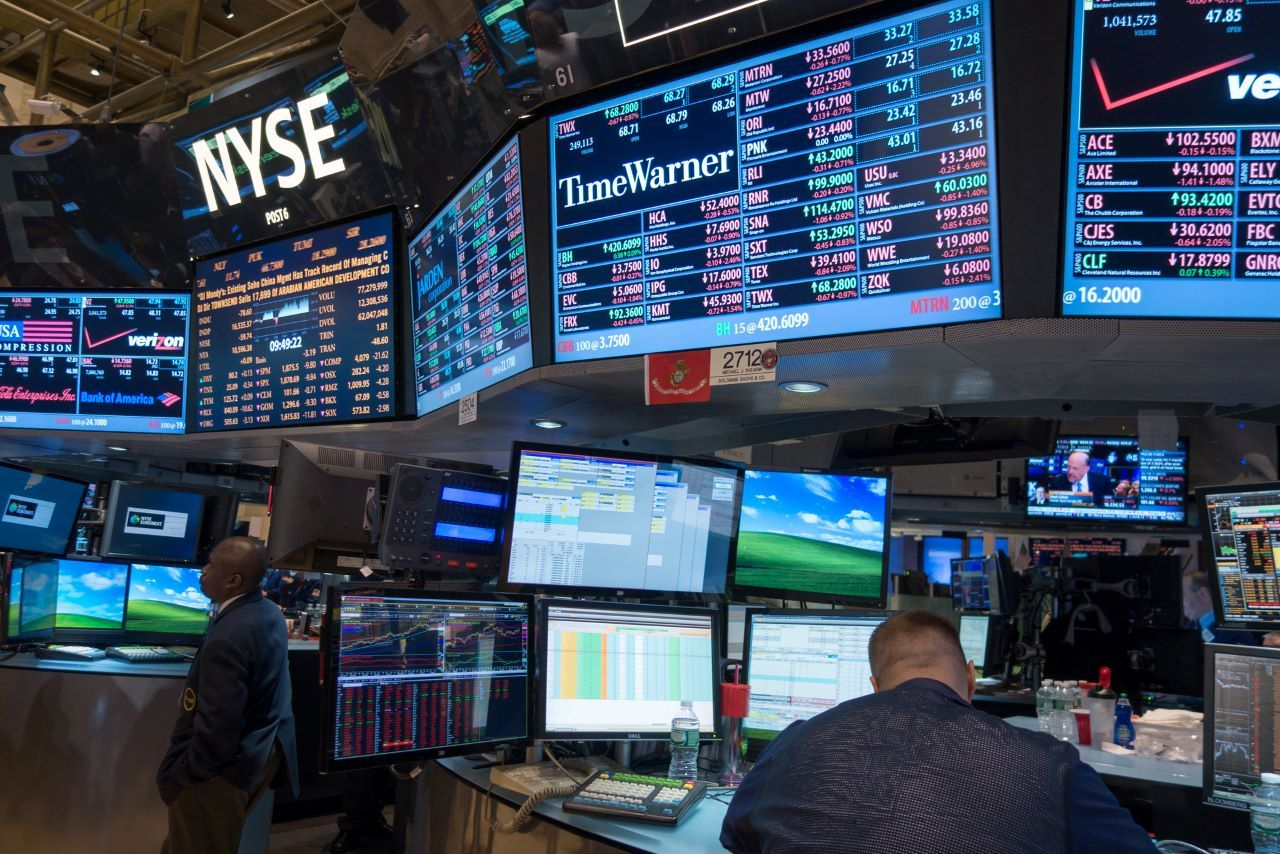
The Philadelphia Semiconductor Index (SOX) faced continued downward pressure on Monday, July 13, 2026, as investors recalibrated their positions in major technology hardware and chip manufacturing stocks. Market volatility intensified as key constituents, including Intel Corporation (INTC), Marvell Technology (MRVL), and Western Digital subsidiary SanDisk, saw notable declines during the trading session, reflecting broader concerns regarding capital expenditure cycles and global demand for semiconductor components.
This market movement highlights the ongoing sensitivity of the semiconductor sector to macroeconomic indicators and supply-side constraints. For investors tracking Wall Street’s performance, the performance of the SOX index serves as a primary barometer for the health of the technology sector, which has been central to market rallies throughout the current year. According to Nasdaq market data, the index reflects the performance of companies primarily engaged in the design, distribution, manufacture, and sale of semiconductors, making it a critical focus for those monitoring the integration of artificial intelligence and high-performance computing into the global economy.
Semiconductor Sector Volatility and Market Pressures
The decline in semiconductor equities on Monday is part of a broader trend of profit-taking and sector rotation. Analysts monitoring the industry note that while long-term demand for high-end chips remains robust due to the expansion of artificial intelligence infrastructure, short-term performance is being tempered by concerns over inventory levels and the slowing growth of legacy chip markets. Intel, in particular, has been navigating significant structural changes as it attempts to pivot its foundry business model, a process that has drawn intense scrutiny from institutional investors, as reported in Reuters technology market coverage.
Marvell Technology and other firms heavily exposed to data center and cloud infrastructure spending have also seen their valuations fluctuate in response to shifting analyst outlooks. The semiconductor supply chain remains complex; any sign of cooling demand in the consumer electronics or automotive sectors often triggers rapid price corrections across the Philadelphia Semiconductor Index. Investors are currently awaiting the next round of quarterly earnings reports, which are expected to provide clearer guidance on whether the current dip represents a temporary correction or a more sustained cooling period for the industry.
Understanding the Philadelphia Semiconductor Index
The Philadelphia Semiconductor Index, often referred to by its ticker symbol SOX, is a modified market capitalization-weighted index. It tracks the 30 largest U.S.-listed companies involved in the semiconductor business. Because these companies are foundational to almost all modern digital systems—from smartphones to advanced defense systems—the index is frequently cited as a leading indicator of the broader technology market’s health.
For those looking to analyze these movements, official filings provide the most reliable data. Investors typically monitor U.S. Securities and Exchange Commission (SEC) EDGAR filings to review the financial health, debt levels, and forward-looking statements of companies like Intel and Marvell. Relying on these primary documents helps filter out the noise often associated with short-term market volatility and allows for a more grounded assessment of a company’s long-term competitive position.
Factors Influencing Tech Hardware Valuations
Several variables are influencing the current valuation of tech hardware companies. First, the cost of capital remains a significant factor; as interest rate expectations shift, companies with high capital expenditure requirements—such as those building new fabrication plants—face increased scrutiny regarding their cash flow sustainability. Second, geopolitical tensions continue to impact the global semiconductor supply chain, with export restrictions and trade policies influencing where and how chips are manufactured.
The focus for many market participants remains the “AI trade.” While companies providing the hardware necessary for large language models and server farms have seen significant growth, the market is becoming increasingly selective. Firms that can demonstrate clear paths to profitability and strong margins are currently outperforming those that are still in the heavy investment phase of their business transformation. The Bloomberg Markets portal provides ongoing updates on these sector-specific trends, offering a view into how institutional money is flowing between legacy hardware manufacturers and the new leaders of the AI-driven tech cycle.
Next Steps for Investors
The next major checkpoint for investors will be the release of second-quarter earnings reports, which are scheduled to begin rolling out over the next few weeks. These reports will serve as the definitive confirmation of whether the recent price declines in the SOX index are aligned with the actual financial performance of the underlying companies. Investors should monitor corporate press releases and official investor relations portals for each firm to access the most accurate and timely information regarding their fiscal performance.
As the market continues to process this data, keeping an eye on the broader indices and sector-specific guidance will be essential for those managing portfolios with significant technology exposure. For further analysis on market developments, readers are encouraged to follow our upcoming coverage of sector-wide earnings calls and regulatory updates. Please share your thoughts and perspectives on these market trends in the comments section below.
Keep reading