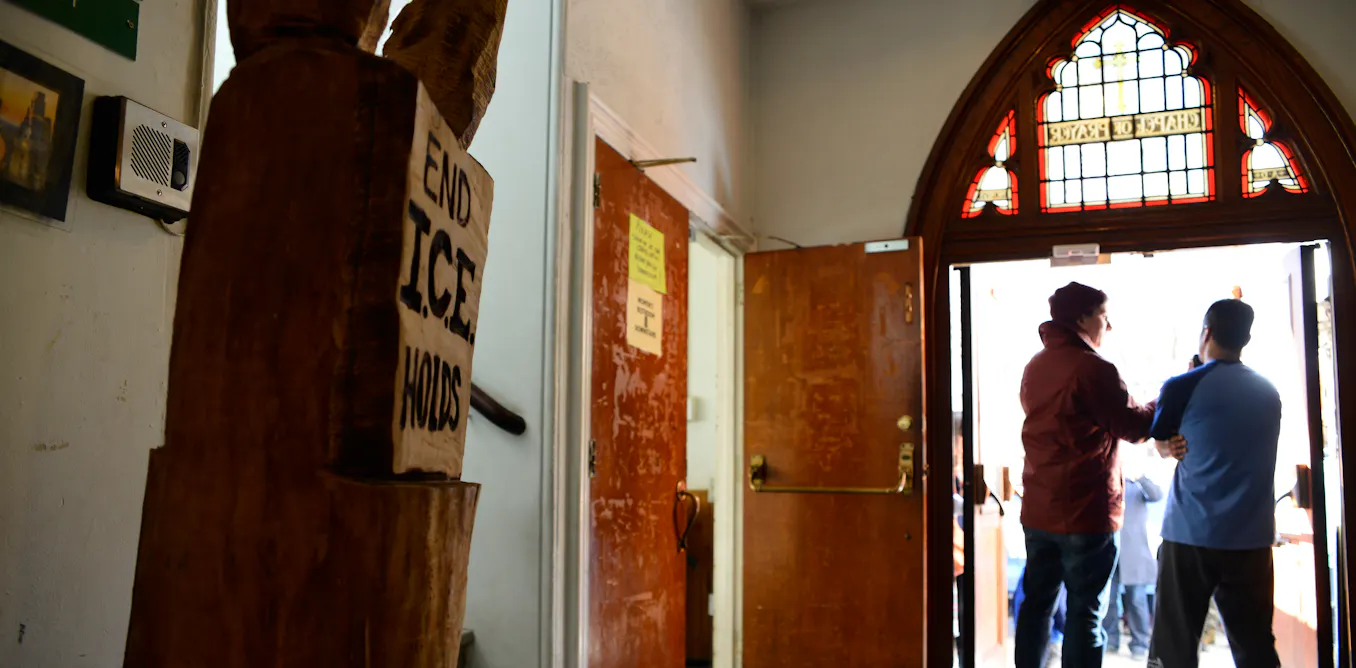
For more than four decades, the city of Philadelphia has maintained a complex, often contentious relationship with federal immigration authorities, rooted in a tradition of grassroots humanitarianism. Long before the modern political debate over “sanctuary cities” took center stage, local religious congregations were transforming their pews and pastor’s offices into safe havens for those fleeing state-sponsored violence in Central America.
This legacy of protection began in earnest during the early 1980s, when Philadelphia’s interfaith networks joined a national movement to shield refugees from El Salvador and Guatemala. These early efforts were not driven by municipal policy, but by a moral imperative held by clergy and activists who believed that providing sanctuary to the persecuted was a divine mandate that superseded human law.
Today, this history manifests in a nuanced administrative approach. While current city leadership emphasizes Philadelphia’s status as a “welcoming city,” the city continues to navigate the tension between protecting its immigrant population—which comprises nearly 16% of its 1.6 million residents—and maintaining federal funding for essential health and human services. This ongoing struggle is the direct descendant of a movement that started with a few brave churches refusing to open their doors to the Immigration and Naturalization Service (INS).
The evolution of Philadelphia’s sanctuary history reflects a broader American struggle to balance national security and immigration law with human rights and local community stability. From the draft resisters of the Vietnam era to the modern-day “ICE Out” legislative efforts, the city has served as a critical laboratory for civil disobedience and municipal resistance.
The Genesis: Faith-Based Sanctuary and the Central American Crisis
The roots of the sanctuary movement in the United States predate the immigration crises of the 21st century. In the late 1960s, the movement was primarily composed of American citizens—specifically draft resisters opposing the Vietnam War—who sought refuge in Northeast churches to avoid conscription. One of the earliest documented cases involved Robert Talmanson, who sought sanctuary at Boston’s Arlington Street Unitarian Church before his eventual arrest by U.S. Marshals.

By November 1971, Berkeley, California, became the first municipality to formally offer sanctuary to draft resisters via a City Council resolution, setting a precedent for city-level interference in federal enforcement. However, the movement shifted its focus toward international refugees in the 1980s, as civil wars ravaged Central America.
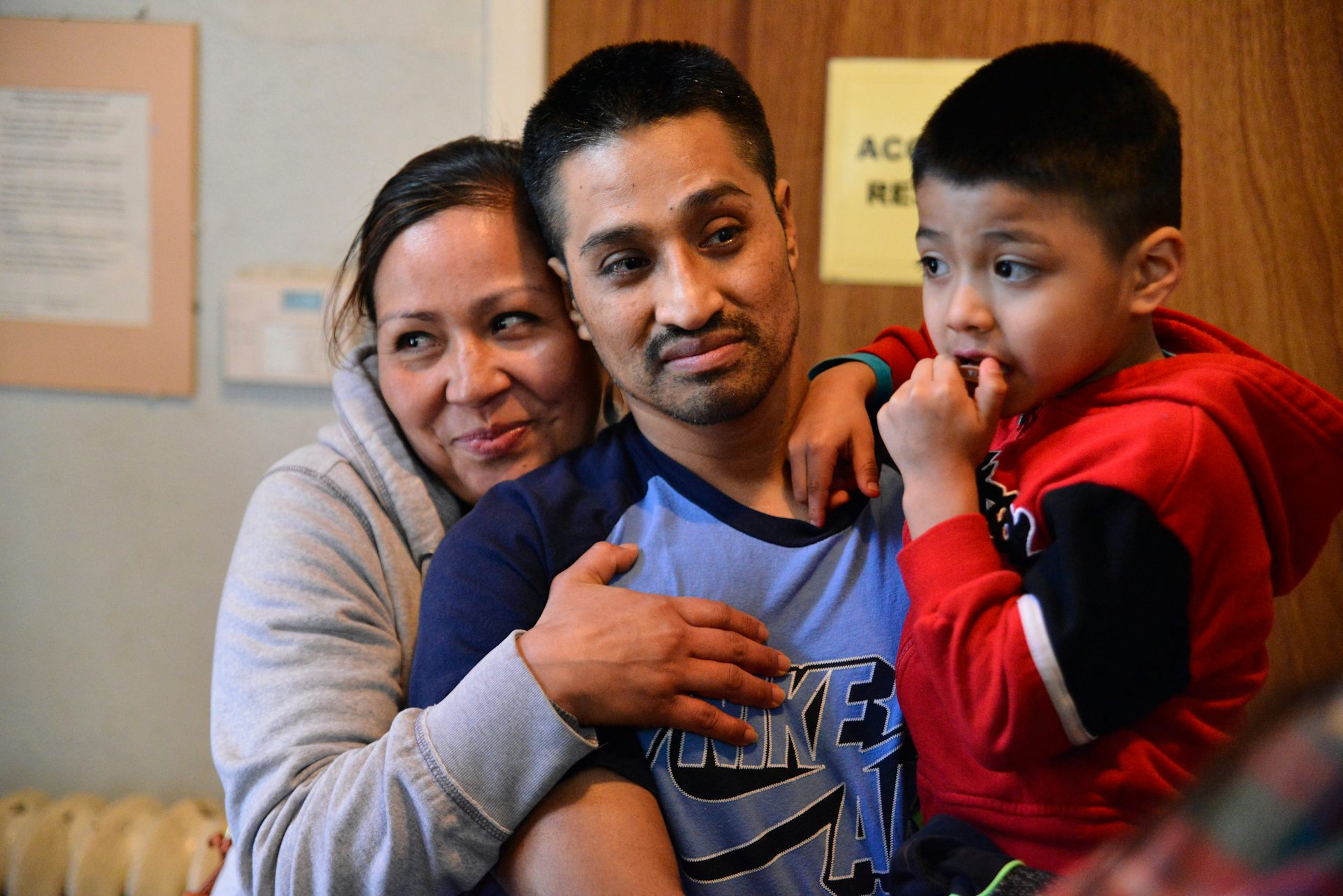
In Philadelphia, this shift was catalyzed by the plight of Salvadorans fleeing government death squads and systemic repression. In November 1983, Ernesto and Linda Fuentes fled El Salvador for Philadelphia. Ernesto had been an activist providing aid in refugee camps, while Linda had organized labor unions; both were targeted by the Salvadoran government. Upon arriving in Philadelphia in May 1984, they found refuge at the Tabernacle United Church in West Philadelphia.
The Tabernacle United Church congregation declared itself a public sanctuary, instructing members to keep doors locked against the INS. They were not alone; by May 1984, the First United Methodist Church of Germantown also joined the movement, sheltering refugees like Joel, Gabriela, and their daughter Lucy, who had fled torture and persecution in Guatemala.
This era of faith-based resistance faced a severe crackdown on January 14, 1985, when the INS conducted nationwide raids on sanctuary churches. These operations resulted in the arrest of 60 undocumented immigrants and 16 sanctuary workers, including priests and nuns. Despite these raids, the movement grew, with an estimated 42,000 people finding refuge in 2,000 religious institutions across 60 U.S. Cities by the mid-1980s.
From Church Pews to City Hall: The Institutionalization of Sanctuary
The transition from religious sanctuary to municipal policy occurred as the city government began to align itself with the values of its activist populations. A pivotal moment arrived on November 6, 1986, when President Ronald Reagan signed the Immigration Reform and Control Act (IRCA). This legislation provided a pathway to citizenship for millions of undocumented immigrants who had arrived before 1982, though many in Philadelphia feared the program was a trap designed to identify them for deportation.
As federal enforcement intensified in the 1990s—specifically with the 1996 passage of Section 287(g) of the Immigration and Nationality Act, which allowed local police to act as immigration agents—Philadelphia began to carve out a different path. While many Pennsylvania agencies signed 287(g) agreements to receive federal funding and training, the Philadelphia Police Department notably refrained from doing so.
In 2014, then-Mayor Michael Nutter formalized this stance via an executive order stating that local police were not required to assist Immigration and Customs Enforcement (ICE) unless a case involved a violent felon or a judicial warrant. This move officially transitioned Philadelphia into a “sanctuary city.” However, the designation became a political liability. Nutter briefly rescinded the status to protect federal law enforcement grants, but the order was reinstated on January 4, 2016, by Mayor Jim Kenney.
The conflict reached a peak during the Trump administration, particularly in 2017 and 2018. The federal government threatened to withhold grants from cities that refused to cooperate with ICE. Philadelphia fought back in the courts, eventually winning a lawsuit in 2018 that prohibited the city from giving ICE access to police databases for the purpose of identifying undocumented immigrants.
The ‘Welcoming City’ Strategy and Modern Challenges
In recent years, the terminology of sanctuary has evolved into the concept of the “Welcoming City.” Mayor Cherelle Parker has emphasized this certification, which focuses on making essential services—such as education, housing, and legal aid—accessible to all residents regardless of their immigration status. By avoiding the politically charged label of “sanctuary city,” the administration aims to maintain its federal funding streams, which include billions of dollars for health and human services, while still providing a safety net for immigrants.
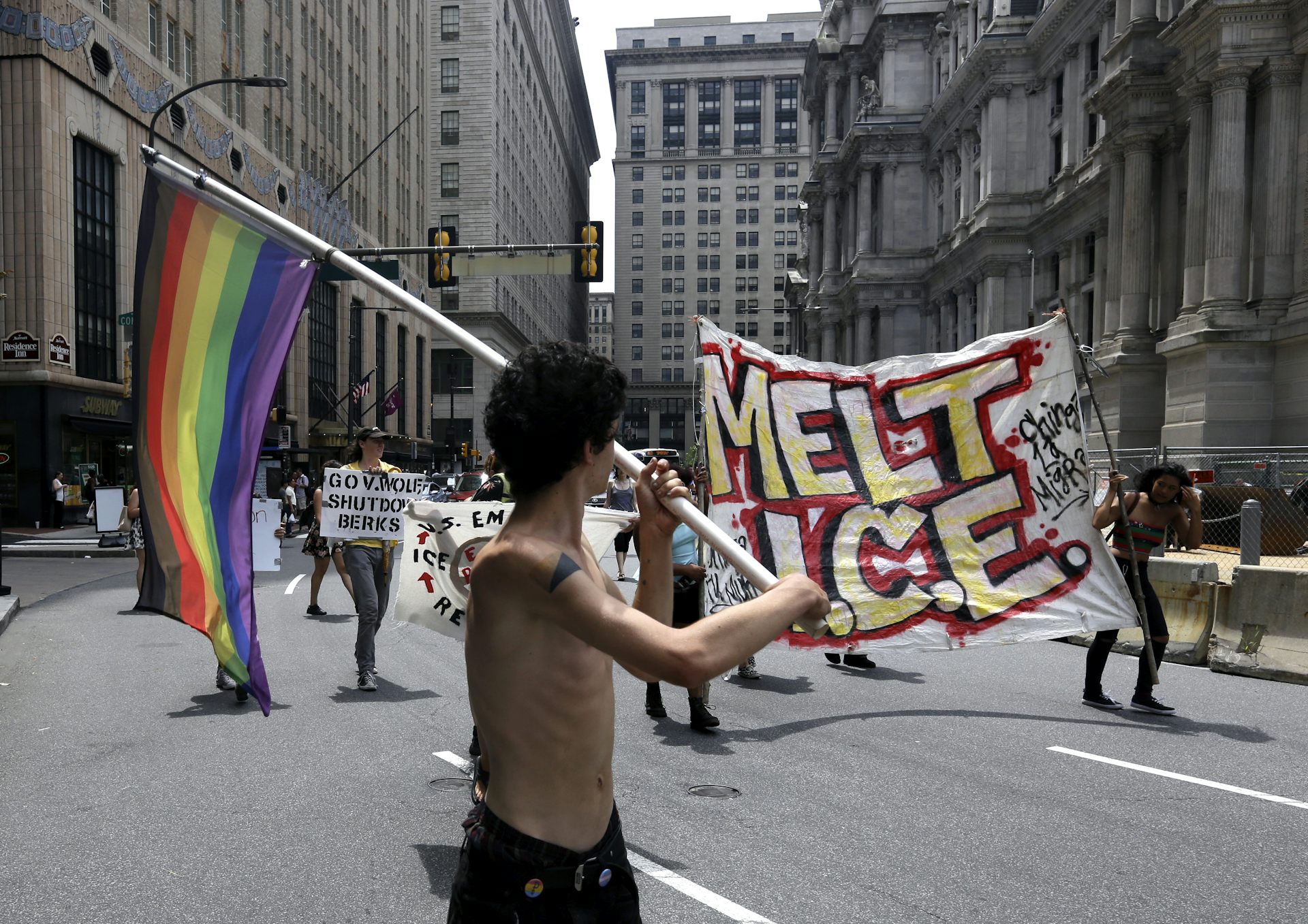
Despite these administrative shifts, the pressure on Philadelphia’s immigrant community remains high. According to the Migration Policy Institute, Pennsylvania is estimated to have roughly 250,000 undocumented residents. In response to increased federal crackdowns, local activism has surged. In January 2026, City Council members Kendra Brooks and Rue Landau introduced the “ICE Out” legislative package.
The “ICE Out” proposal seeks to codify several protections into law, including:
- Prohibiting the sharing of personal and citizenship data with ICE without a judicial warrant.
- Banning ICE agents from using unmarked vehicles or masking their identities during operations within city limits.
- Restricting the use of municipal spaces, such as libraries, health centers, and recreation centers, as staging areas for federal raids.
This legislative push is mirrored by grassroots action. From high school walkouts at Northeast and Edison high schools to protests organized by community groups, the spirit of the 1984 sanctuary movement continues to influence the city’s political landscape.
Timeline of Philadelphia’s Sanctuary Evolution
| Year | Event | Significance |
|---|---|---|
| 1984 | Tabernacle United Church declares sanctuary | First major faith-based refuge for Central American refugees. |
| 1986 | IRCA Signed by Pres. Reagan | Established a pathway to citizenship for millions. |
| 2014 | Mayor Nutter’s Executive Order | First formal municipal policy limiting cooperation with ICE. |
| 2018 | Lawsuit victory against Trump admin | Blocked ICE access to real-time police arrest databases. |
| 2025 | “Welcoming City” Certification | Shift toward service-based support over political “sanctuary” labels. |
| 2026 | “ICE Out” Package Introduced | Attempt to codify protections into municipal law. |
The trajectory of Philadelphia’s sanctuary history shows that while the methods have changed—moving from locked church doors to city council bills—the underlying objective remains the same: the belief that the city’s duty to protect its residents outweighs federal mandates for deportation.
The next critical checkpoint for these protections will be the City Council’s upcoming review and potential vote on the “ICE Out” legislative package. This decision will determine whether the “Welcoming City” policies remain administrative guidelines or become legally binding mandates that could further isolate the city from federal immigration enforcement.
World Today Journal encourages readers to share this story and join the conversation in the comments below. How should cities balance federal law with local humanitarian needs?