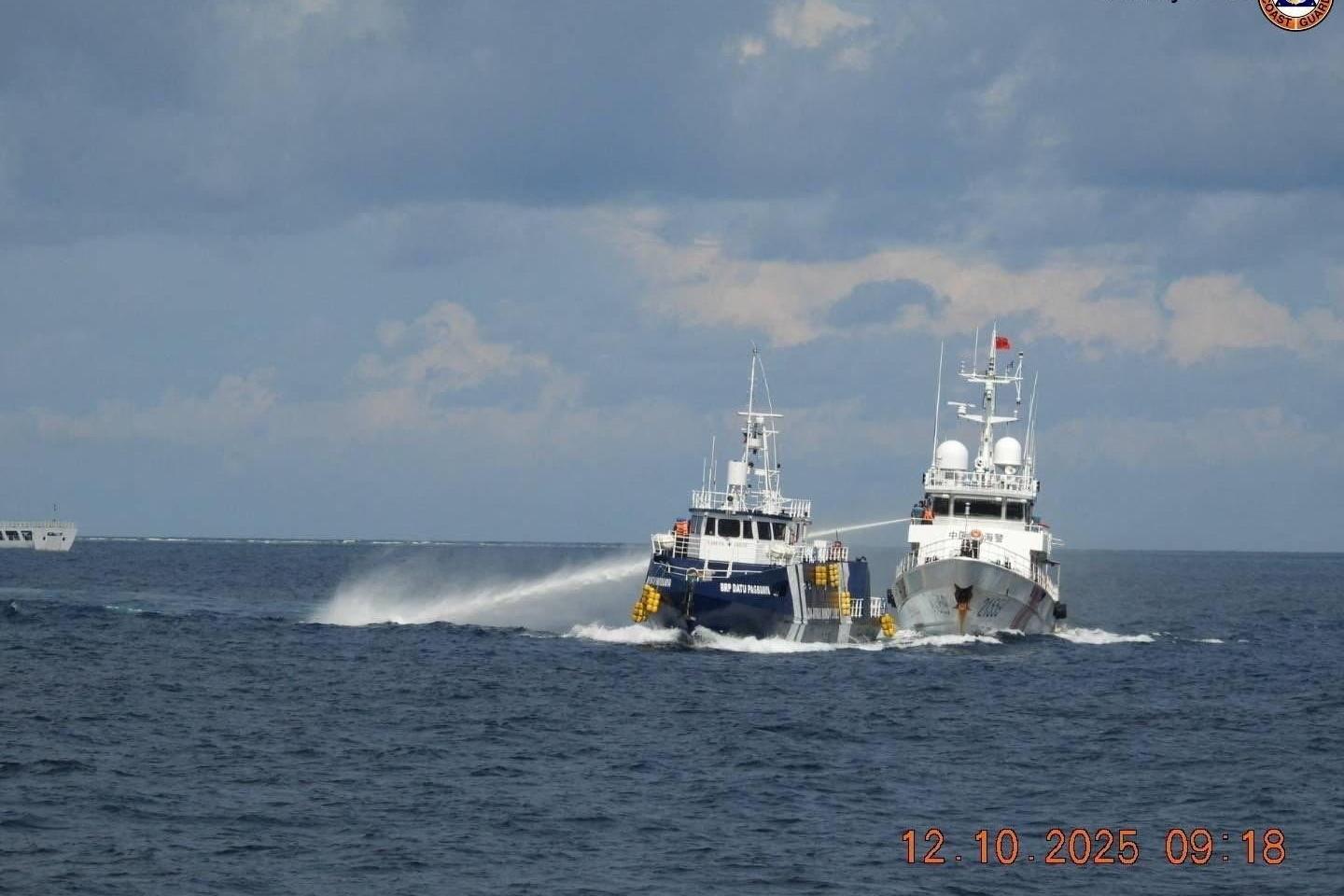
Rising Tensions in the South China Sea: A collision Course
Recent events signal escalating tensions in the South China Sea, particularly surrounding the contested Scarborough Shoal. In August, a Chinese navy vessel collided with a Chinese coast guard ship while attempting to intercept a Philippine patrol boat near the shoal. This incident underscores the increasingly fraught dynamic in the region.
Afterward, the Philippines formally protested a Chinese proposal to establish a natural reserve within the reef. This move is viewed with suspicion, given the shoalS rich fishing grounds and the ongoing territorial dispute.
Understanding the Scarborough Shoal Dispute
Let’s break down the key facts about this strategically crucial location:
* Location: The Scarborough Shoal lies approximately 240 kilometers west of the philippines and 900 kilometers southeast of Hainan Island, China.
* Significance: It’s a vital fishing area, supporting the livelihoods of many.
* History: China took control of the shoal in 2012, sparking a long-standing dispute with the Philippines.
* current Status: Both nations continue to assert their claims,leading to frequent standoffs and now,physical collisions.
I’ve found that understanding the history is crucial to grasping the current situation.The shoal isn’t just about rocks and reefs; it’s about sovereignty, resource control, and regional power dynamics.
A Wider Regional Context
This isn’t happening in a vacuum. The United States has recently reaffirmed its military commitment to the Pacific region. The U.S. Secretary of Defense, during a tour of the area, emphasized the importance of maintaining stability and countering China’s growing influence.
Here’s what’s at play:
* U.S. Involvement: The U.S. maintains a strong security alliance with the Philippines.
* Regional Concerns: Several nations in the region are wary of China’s assertive actions in the South China Sea.
* Potential for Escalation: The collision between Chinese vessels raises the risk of further incidents and a potential escalation of the conflict.
You might be wondering what this means for the future. It’s a complex situation with no easy answers. However, it’s clear that the South China Sea will remain a focal point of geopolitical tension for the foreseeable future.
Ultimately, a peaceful resolution requires dialog, respect for international law, and a commitment to de-escalation from all parties involved. It’s a delicate balance, and the stakes are incredibly high.