
The Department of Health (DOH) has recorded 2,177 cases of leptospirosis between January 4 and January 6 of this year, representing a 6% increase in reported infections compared to the same period last year. This bacterial disease, which is transmitted through contact with water or soil contaminated by the urine of infected animals, continues to pose a public health challenge, particularly for farmers.
The rise in cases highlights an urgent need for joint government efforts to educate farmers on prevention and workplace safety, especially in rice fields where mud and water are common.
Understanding Leptospirosis Transmission
According to the U.S. Centers for Disease Control and Prevention (CDC), leptospirosis is a bacterial disease spread through the urine of infected animals and can be contracted through contact with contaminated water or soil, particularly after floods.
Treatment and the Dangers of Self-Medication
Clinical management of leptospirosis often involves the use of doxycycline, a drug that belongs to the class of medicines known as tetracycline antibiotics and is used to treat bacterial infections. This medication is typically administered based on a doctor’s assessment. The DOH has confirmed that doxycycline is available at health facilities.
Health authorities have issued a warning against self-medication. Attempting to manage a potential leptospirosis infection without a doctor’s assessment carries risks, including:
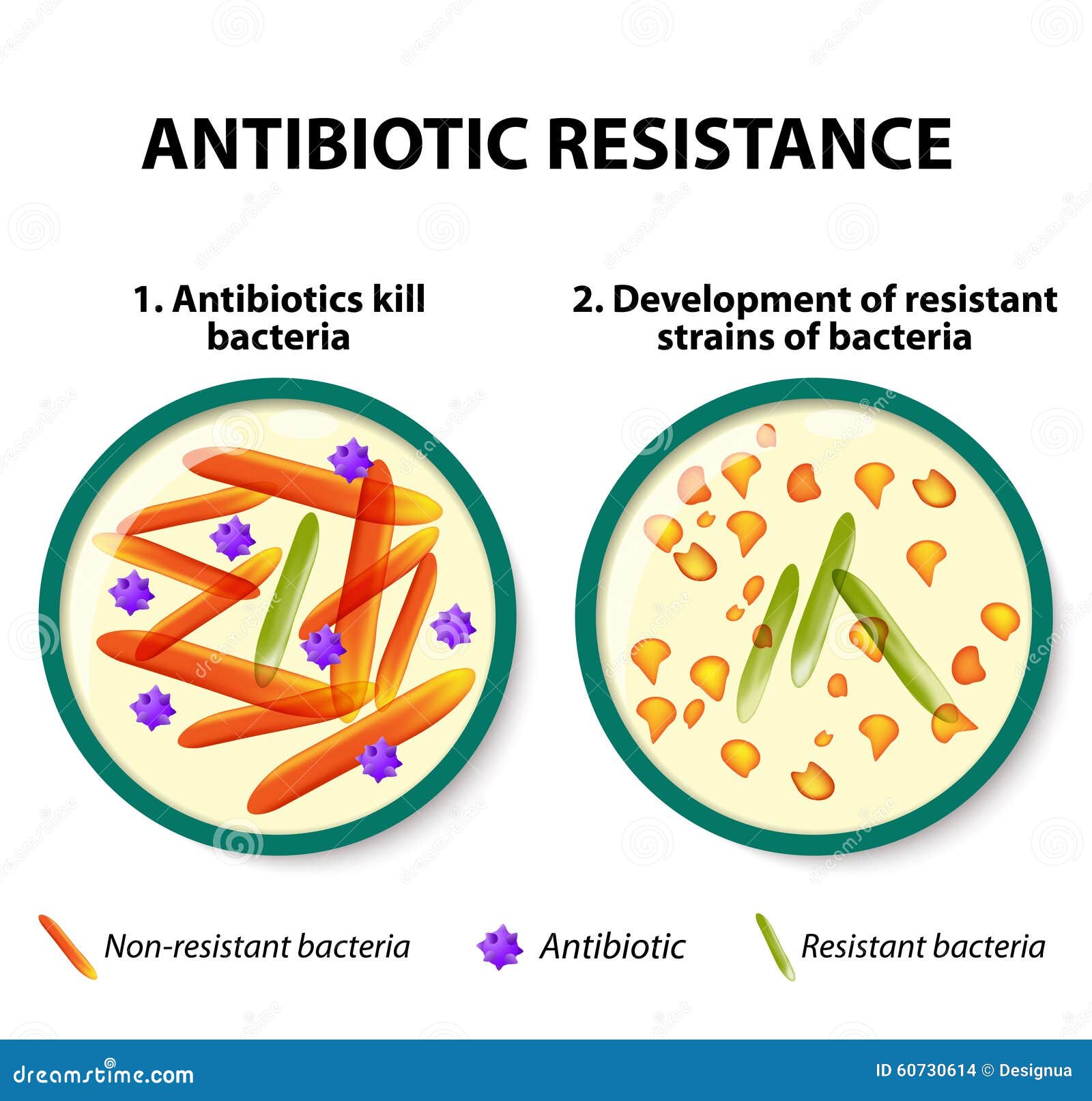
- Antibiotic Resistance: Improper use of antibiotics contributes to the development of resistant bacterial strains.
- Incorrect Dosage and Timing: Ineffective treatment cycles can occur.
- Harmful Side Effects: Every medication has potential side effects and contraindications that only a physician can evaluate.
Addressing Occupational Safety for Farmers
The current data indicates that most cases involve farmers, who are often exposed to mud and water contaminated with the urine of infected animals while working in rice fields. To mitigate these risks, the DOH has called for joint government efforts to educate farmers on prevention and workplace safety.
Next Steps in Public Health Monitoring
The DOH continues to monitor infection trends. While the 6% increase underscores the persistent nature of the disease, public health officials are working to streamline the distribution of medical resources to health facilities. Citizens are encouraged to monitor updates through the official Department of Health website for the latest advisories.
If you or someone in your community is exhibiting symptoms after exposure to contaminated water or soil, seek medical attention at a health facility immediately. Public health depends on collective vigilance and adherence to clinical guidelines. Please share this information with those in agricultural communities to ensure they are equipped with the knowledge to stay safe.
Keep reading