Devastating Floods Claim Lives as typhoon Kalmaegi Impacts the philippines
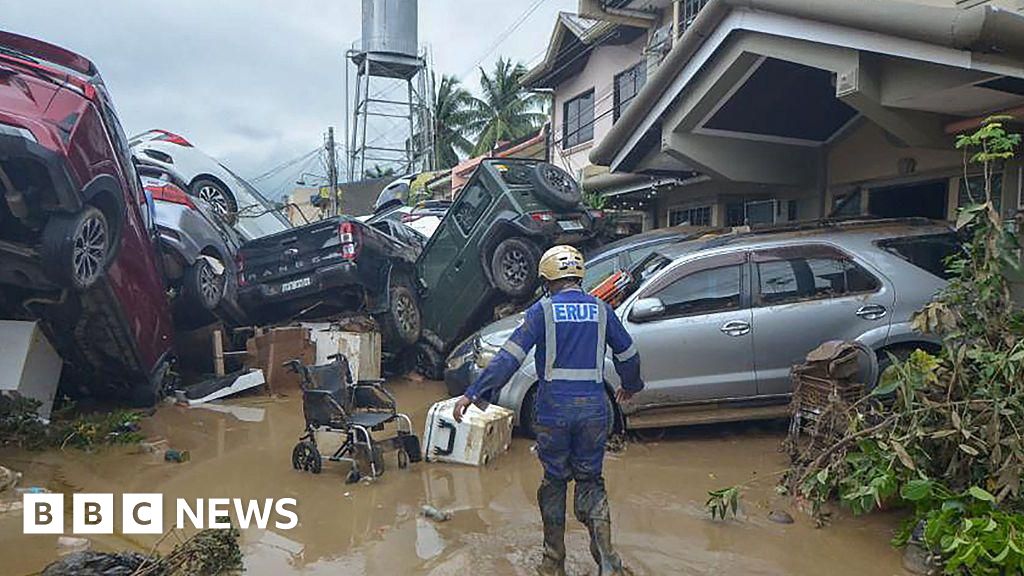
A powerful typhoon has unleashed catastrophic flooding across the central Philippines,resulting in a rising death toll and widespread devastation. Typhoon Kalmaegi, locally known as Nando, has brought unprecedented rainfall and triggered landslides, particularly impacting the Cebu province. This disaster comes amidst a period of heightened vulnerability for the nation, following recent typhoons and a meaningful earthquake.
The Scale of the Disaster
Currently, the confirmed death toll stands at 31, with fears it will climb as rescue efforts continue and the full extent of the damage becomes clear. Most fatalities are attributed to drowning, highlighting the sheer force of the floodwaters. Approximately 400,000 people have been evacuated from areas in the typhoon’s path, seeking safety from the relentless storm.
The situation in Cebu is particularly dire. Provincial governor Pamela Baricuatro described the conditions as “unprecedented,” emphasizing that the floodwaters pose the greatest threat to residents. Rescue teams are navigating submerged streets in boats, working to reach those trapped in their homes. Extensive damage to residential areas is reported, with many smaller structures wholly washed away, leaving behind a thick layer of mud.
Typhoon’s Path and Forecast
Kalmaegi initially made landfall in the eastern Philippines before traversing the Visayas islands. It is now forecast to move over the South China Sea by Wednesday. However, the storm’s impact is already being felt acutely across the affected regions.
Don del Rosario,a resident of Cebu city,shared his experience,stating it was the worst weather he’s witnessed in his 28 years living there. This sentiment underscores the severity of the current crisis and the vulnerability of communities to extreme weather events.
A Pattern of Recent Disasters
This typhoon is the latest in a series of calamities to strike the Philippines in recent weeks.
* Just a month ago, back-to-back typhoons caused over a dozen deaths and significant infrastructure damage.
* Super Typhoon Ragasa (Nando) and Typhoon Bualoi (Opong) impacted the country in late September.
* Prior to the typhoons, an exceptionally wet monsoon season led to widespread flooding, sparking public frustration over inadequate flood control systems.
* A 6.9 magnitude earthquake struck the central Philippines on September 30th, with Cebu again experiencing significant damage.
Broader Regional concerns
The Philippines experiences an average of 20 storms and typhoons annually, making it one of the most disaster-prone countries in the world. Now, Typhoon Kalmaegi is projected to move towards Vietnam, which is already grappling with record-breaking rainfall. This raises concerns about potential flooding and further disruption in the region.
Looking Ahead
The immediate focus remains on rescue and relief efforts, providing aid to those displaced and affected by the typhoon. Long-term, addressing the underlying issues of infrastructure vulnerability and disaster preparedness is crucial to mitigating the impact of future events. Strengthening flood control systems and ensuring robust evacuation plans are essential steps in protecting communities across the Philippines.