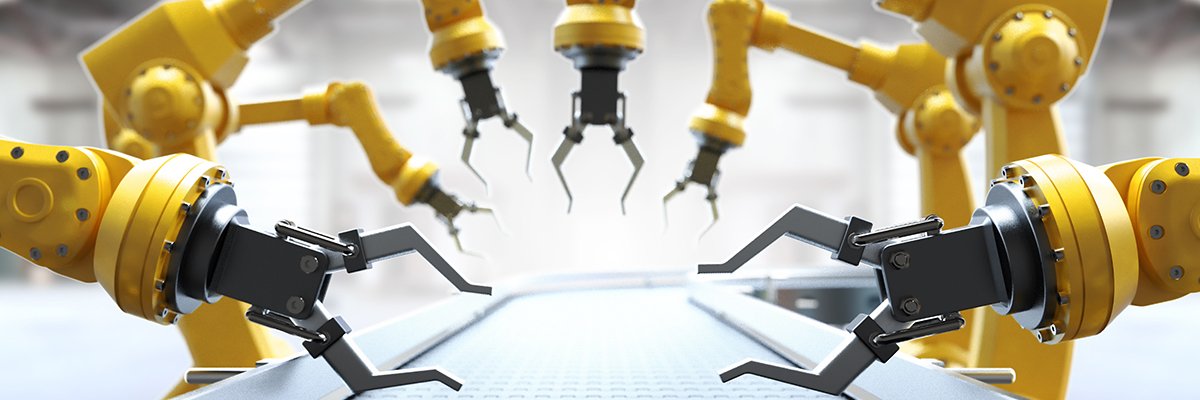
The landscape of artificial intelligence is shifting from the screen to the street. While the first wave of AI focused on digital intelligence—software capable of processing text, images, and data—a new era of “physical AI” is emerging. This evolution enables machines to perceive, understand, and autonomously interact with the real world, effectively blending spatial sensor-backed AI with the digital realm.
According to a study from Counterpoint Research, the global market for these technologies is entering a rapid growth phase. This surge is being fueled by critical advances in robotics, edge computing, generative AI (GenAI), and sophisticated vision and sensor technologies. The impact is projected to be massive: cumulative physical AI device shipments—including vehicles, robots, and drones—are expected to reach 145 million units between 2025 and 2035.
As a journalist who has spent nearly a decade tracking the intersection of software engineering and consumer electronics, I see this as the logical conclusion of the AI boom. We are moving beyond chatbots and image generators toward “embodied AI,” where the intelligence has a physical form capable of performing labor, transporting goods, and navigating complex human environments.
The Core Segments Driving Physical AI Growth
The transition to physical AI is not happening uniformly across all sectors. The Counterpoint Research Global physical AI market tracker identifies four core segments that define this landscape: vehicles, robots, drones, and AI cameras. Each plays a distinct role in how intelligence is being integrated into the physical world.

Autonomous vehicles are positioned to be the largest market within this ecosystem. These systems rely on a combination of spatial sensors and AI to navigate roads and transport passengers or cargo without human intervention. This shift is fundamentally transforming modern supply chains by optimizing transportation and logistics through the use of AI and machine learning as a cognitive backbone for automation.
In the robotics sector, the market is diversifying into service, industrial, and humanoid segments. Service robots, in particular, are expected to account for the largest shipment volumes. This growth is driven by a wide array of expanding use cases, including:
- Logistics and Warehousing: Streamlining the movement of goods in smart warehouses.
- Healthcare and Hospitality: Assisting staff and providing guest services.
- Agriculture and Cleaning: Automating repetitive outdoor and indoor maintenance tasks.
- Security: Providing autonomous surveillance and monitoring.
While service units lead in volume, humanoid robots represent a frontier of adaptive machinery. These robots are evolving from traditional, static industrial arms into machines that can operate in and learn from complex environments, which unlocks significant gains in both precision and safety for the industry.
The Role of Drones and AI Cameras in the New Ecosystem
Commercial drones are expected to be a primary driver of shipment growth. Their application is expanding far beyond simple aerial photography, moving into critical operational roles. In warehouse operations and last-mile delivery, drone technology is being integrated to solve the “final mile” challenge, reducing delivery times and operational costs.
Complementing these mobile units are AI cameras. These devices provide the “eyes” for the physical AI ecosystem, offering the vision technologies necessary for machines to perceive their surroundings. When paired with edge computing—which processes data locally on the device rather than in a distant cloud—these cameras allow for the real-time decision-making required for autonomous interaction.
Key Takeaways: The Physical AI Outlook (2025-2035)
- Projected Volume: 145 million cumulative device shipments across vehicles, robots, and drones.
- Market Leader: Autonomous vehicles are set to be the largest market segment.
- Growth Engine: Commercial drones are expected to drive the highest growth in shipments.
- Robotics Trend: Service robots will lead shipment volumes, particularly in logistics, healthcare, and agriculture.
- Technical Catalyst: The convergence of GenAI, edge computing, and spatial sensors is enabling “embodied AI.”
Overcoming Barriers to Scale
Despite the optimistic projections, the path to 145 million units is not without obstacles. The deployment of physical AI at scale requires more than just technical breakthroughs. it requires a supportive ecosystem of regulation and infrastructure.
Industry leaders and regulatory bodies are currently working to break down the barriers that hinder large-scale deployment. These challenges include safety certifications for autonomous vehicles, airspace regulations for commercial drones, and the creation of standardized protocols for humanoid robot interaction in public spaces. As these barriers fall, the integration of AI-enabled drones and robots in supply chain operations is becoming increasingly common, particularly in smart warehousing.
The move toward physical AI represents a fundamental shift in the human-machine relationship. We are no longer just interacting with AI through a screen; we are sharing physical spaces with it. This requires a new level of trust in the precision and safety of these machines, which is why the shift toward “adaptive machines” that can learn from their environments is so critical.
As we gaze toward 2035, the focus will likely remain on refining these autonomous systems to ensure they can operate safely and efficiently alongside humans. The transition from digital-only AI to embodied AI is not just a technological upgrade—it is a restructuring of how global industry, logistics, and daily services operate.
For those tracking these developments, the next major milestones will be the continued rollout of service robots in healthcare and the expansion of autonomous vehicle regulatory frameworks. Stay tuned for further updates as these technologies move from pilot programs to global scale.
What are your thoughts on the rise of physical AI in your city or workplace? Share your perspectives in the comments below.
Keep reading