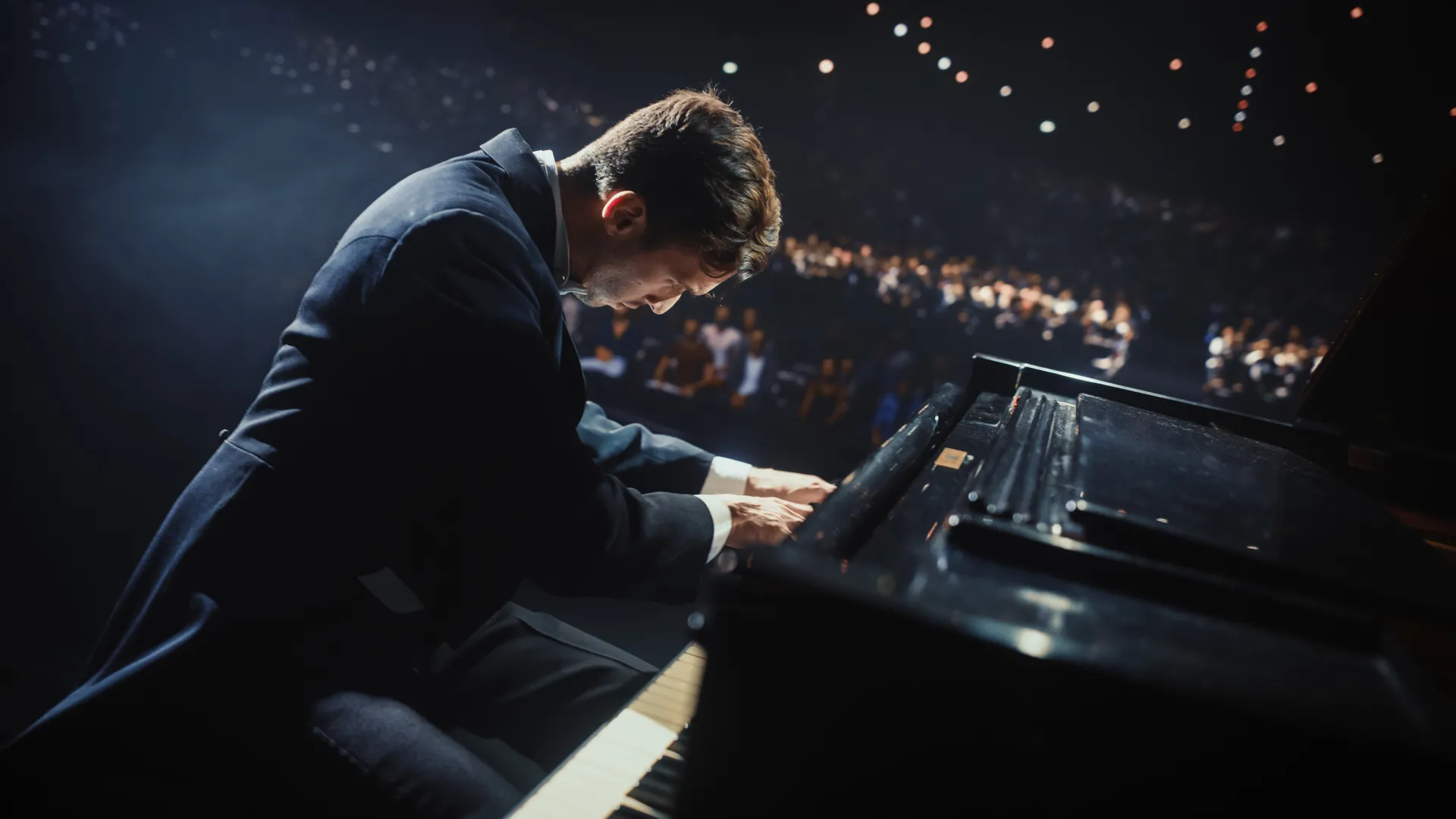
Summary of Research on Piano Timbre adn Movement
This research from the NeuroPiano Institute and Sony CSL demonstrates a clear link between a pianist’s intended timbre (the “color” of the sound) and how listeners perceive it, and crucially, identifies the specific, high-precision finger movements that create those timbral differences. Here’s a breakdown of the key findings and implications:
Key Findings:
* Timbre is Communicated: Pianists can effectively communicate their intended timbre to listeners, even those without musical training. Experienced pianists are more sensitive to these nuances.
* Movement matters: specific,subtle movements of the fingers during key presses - like acceleration during escapement and hand synchronization – are directly correlated with perceived timbre. This is the first empirical evidence of a causal relationship between key movement and timbre.
* High-Precision Measurement: The research utilized a custom-built, highly accurate sensor system (Hackkey) to measure key movements at 1,000 fps with 0.01 mm resolution.
* Beyond Volume & Tempo: Timbral perception isn’t simply a result of loudness or speed; it’s a distinct quality influenced by specific movements.
* LME Model Analysis: Data analysis pinpointed a limited set of movement features that contribute most significantly to timbral differences.
Significance & Implications:
* Improved Music Education: This research provides a scientific basis for understanding how pianists create timbre,moving beyond subjective descriptions. This allows for:
* Quantifying “Tacit Knowledge”: Making the frequently enough-unspoken techniques of timbre control explicit.
* Targeted Learning: Developing educational methods and technologies (like advice systems) that guide learners to develop the specific movements needed for desired timbral effects.
* Understanding Sensory-Motor Integration: The study sheds light on how our brains integrate motor control with sensory perception, potentially informing research in neuroscience, psychology, and arts studies. It demonstrates how skillful motor control leads to richer aesthetic experiences.
* Broader applications: the principles could be applied to skill transfer, rehabilitation, and human interface design.
Future Directions:
* Evidence-Based practice: Developing practice methods based on the identified movement features to help pianists expand their timbral palette.
* Advanced Training Technologies: Utilizing technology to train musicians in these precise movements.
* Expanding Perceptual Research: Investigating higher-level perceptual information (like timbre) to better understand brain processing.
* Cross-Disciplinary Impact: Applying these findings to other fields requiring fine motor skills, such as sports, cooking, surgery, and painting.
* “Dynaformics” – A New Approach to Music Education: Establishing a new, evidence-based form of music education grounded in the science of music performance.
In essence, this research is a notable step towards demystifying the art of piano playing, providing a scientific foundation for understanding and improving musical expression and education. It promises to liberate artists from limitations and empower them to fully realize their creative potential.