The Future of Transplants: pioneering Xenotransplantation to Solve the Organ Shortage
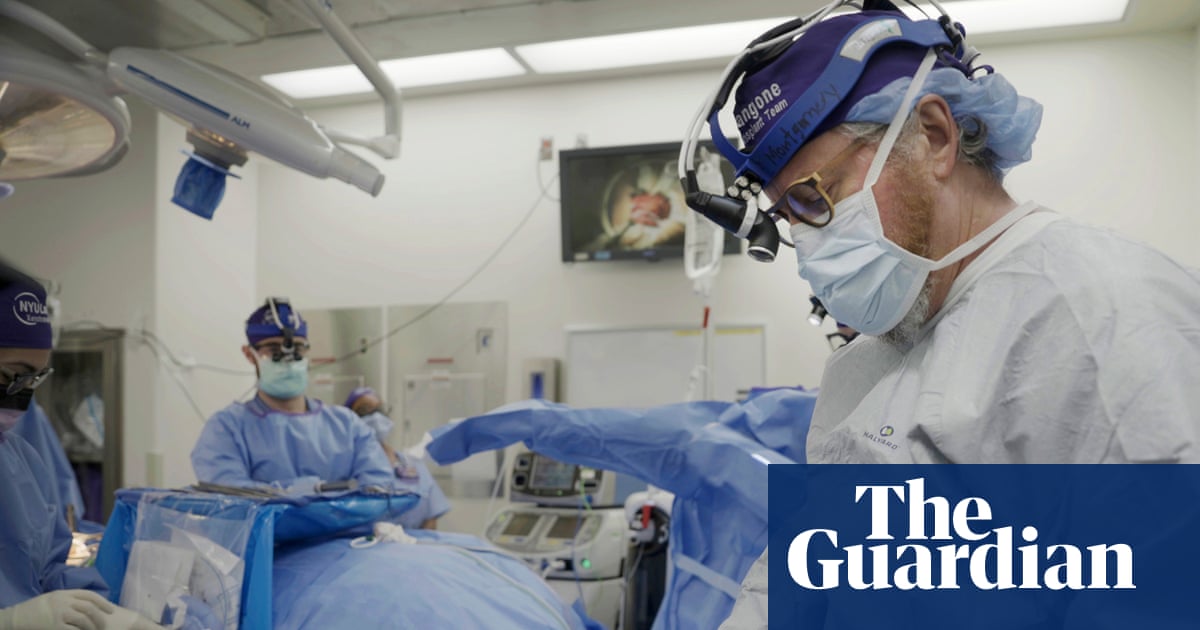
For decades, the agonizing wait for a life-saving organ transplant has been a stark reality for hundreds of thousands. Now, a revolutionary approach – xenotransplantation, the transplantation of organs from animals to humans – is moving from the realm of science fiction towards becoming a viable solution. Leading this charge is Dr. Robert Montgomery, a transplant surgeon at NYU Langone Health, whose groundbreaking work is reshaping the future of organ availability.
The Critical Organ shortage: A Problem demanding Innovation
The demand for organs far outstrips supply. Every day, patients die waiting for a match. Traditional methods of increasing organ donation, while critically important, haven’t kept pace with the growing need. Dr. Montgomery, having dedicated his career to expanding organ access, recognized the limitations of incremental progress.
“We just weren’t making that much progress, not in a meaningful way,” he explains.”Any gains were quickly offset by the ever-increasing number of people on the waiting list.” This realization fueled his pursuit of a more radical solution: utilizing organs from another species.
Beyond Traditional Approaches: Paired Donation & Hepatitis C+ Organs
Dr. Montgomery’s commitment to expanding transplant options extends beyond xenotransplantation. He’s a champion of paired kidney donation – a system were a patient with an incompatible donor is matched with another patient in a similar situation, creating a chain of transplants.
He’s also a pioneer in utilizing organs from donors with hepatitis C, successfully treating recipients with antiviral medications to eliminate the infection. Remarkably,Dr. Montgomery even received a heart transplant from a Hepatitis C-positive donor,demonstrating his unwavering belief in pushing boundaries.
The Xenotransplantation breakthrough: Gene-Edited Pigs Hold the Key
While the concept of xenotransplantation isn’t new,recent advancements have made it a tangible possibility. The key? Gene editing. Specifically, the ability to precisely modify the genes of pigs to make their organs compatible with the human immune system.
“There were all these jokes about xenotransplantation, like it’s just around the corner and it’s an awfully long corner,” dr. Montgomery reflects. “But suddenly we’re in it.”
In 2021,Dr. Montgomery’s team achieved a historic milestone: the world’s first transplant of a gene-edited pig kidney into a brain-dead human. This landmark procedure proved the organ wasn’t instantly rejected and provided invaluable safety data, paving the way for trials in living patients.
Why Pigs? And Could Pig Organs Be Better than Human Ones?
Pigs are considered ideal candidates for xenotransplantation due to several factors:
* Organ Size & Physiology: Pig organs are similar in size and function to human organs.
* Rapid Reproduction: Pigs have a relatively short gestation period, allowing for faster breeding and research.
* Genetic modifiability: pigs are readily amenable to genetic engineering.
Dr. Montgomery envisions a future where pig organs aren’t just viable alternatives, but potentially superior to human organs. “They could be superior at some point as we can constantly modify them to make them better, where you can’t do that with a human organ.” This includes further gene editing to minimize the risk of rejection.
Improving Tolerance: The Role of the Thymus
ongoing research, including studies led by Dr. Montgomery, is exploring ways to further enhance tolerance of pig organs. Transplanting the pig’s thymus – a crucial organ in immune system advancement – alongside the kidney has shown promising results.
The goal? To eventually reduce or even eliminate the need for lifelong anti-rejection medications. “We’re not there yet, but that’s why we’re doing those studies,” he states.
Current Status & Future Outlook: A Cautious Optimism
A new clinical trial is underway, marking a notable step forward in xenotransplantation. While this is a first-of-its-kind trial, pig organs have been transplanted into a small number of humans previously, often in critical condition.
While some of these patients experienced complications requiring organ removal, and some sadly passed away (though not always directly related to the transplant), there are currently two living recipients of pig kidneys who continue to thrive with their transplanted organs.
Which Organs Show the Most Promise?
Dr. Montgomery identifies kidneys and hearts as the most promising organs for
Worth a look