
The legal landscape surrounding international accountability remains complex and often intertwined with high-level geopolitical interests. Among the various legal proceedings that have drawn scrutiny is the case involving Luis González-Pardo, a pilot whose name emerged within the context of a federal indictment that notably included former Cuban President Raúl Castro. As these proceedings move through the judicial system, the intersection of aviation history, international law, and diplomatic tension serves as a focal point for observers of regional politics.
The legal matter in question centers on allegations of drug trafficking, a subject that has frequently strained relations between the United States and Cuba over several decades. The inclusion of high-ranking officials in such indictments represents a significant, albeit contentious, exercise of extraterritorial jurisdiction by U.S. Authorities. For those following the developments of the U.S. Attorney’s Office for the Southern District of Florida, which often handles such high-profile transnational cases, the naming of defendants like González-Pardo underscores the reach of American anti-narcotics enforcement.
Understanding the Legal Framework
The indictment naming Luis González-Pardo and Raúl Castro relies on statutes designed to address the illicit movement of controlled substances across international borders. Under the Controlled Substances Import and Export Act, individuals can be charged for acts occurring outside of the United States if those acts are intended to have an effect within the country. This legal mechanism allows federal prosecutors to build cases against foreign nationals, including pilots and state officials, who are alleged to have facilitated the transportation of narcotics.
The case is not an isolated incident but rather fits into a broader historical pattern of U.S. Efforts to curb the influence of organizations and individuals accused of utilizing Cuban territory for illicit logistical operations. The specific charges often involve conspiracy to import cocaine, a serious felony that carries substantial prison sentences upon conviction. This proves essential to distinguish between the formal charges brought by the Department of Justice and the political realities that prevent these indictments from reaching a traditional courtroom conclusion in the presence of the defendants.
The Role of Aviation in Transnational Crime
The involvement of pilots in these indictments is a recurring theme in federal investigations. Pilots, such as Luis González-Pardo, are often depicted by prosecutors as the essential link in the supply chain, providing the necessary logistical expertise to navigate airspace while avoiding radar detection or official scrutiny. According to Drug Enforcement Administration (DEA) reports on maritime and aerial smuggling routes, the use of small, private aircraft remains a preferred method for moving illicit goods through the Caribbean corridor.
For the aviation industry, these cases highlight the risks associated with the illicit use of general aviation. While the vast majority of pilots operate within strict regulatory frameworks, the exploitation of these skills by criminal syndicates remains a persistent challenge for international aviation authorities. The judicial focus on individual pilots functions as a deterrent, yet the complexity of cross-border operations often means that these individuals are only one facet of a much larger, state-sanctioned or state-tolerated network.
Diplomatic Implications and Future Outlook
The naming of a former head of state like Raúl Castro in a U.S. Federal indictment is a rare and diplomatically charged move. Such actions are viewed by the Cuban government as politically motivated attempts to destabilize the country and undermine its leadership. Because there is no extradition treaty currently facilitating the transfer of individuals between Havana and Washington, the likelihood of these defendants appearing in a U.S. Court remains negligible under current political conditions.

The legal proceedings serve more as a public record of the allegations than as a pathway to immediate imprisonment for the high-level defendants. For victims of drug-related violence and those tracking the international war on drugs, these indictments represent a formal acknowledgment of the criminal networks that have historically operated with impunity. However, without a shift in the diplomatic status quo, these cases are destined to remain in a state of legal limbo, periodically resurfacing in public discourse whenever tensions between the two nations escalate.
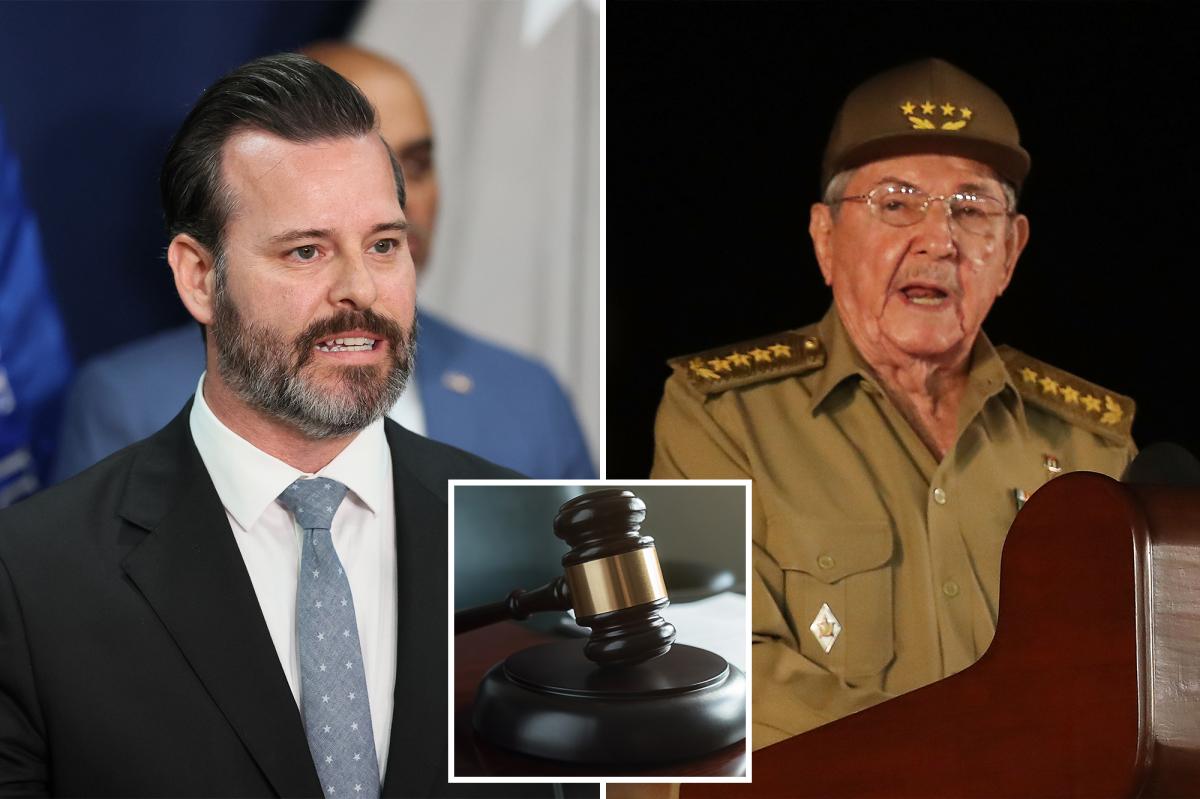
As we continue to monitor the docket in the Southern District of Florida, observers should look for any updates regarding the status of the indictment or potential motions filed by defense counsel, should they choose to represent the interests of those named in the filings. Any changes to the status of the case, such as the dismissal of counts or new filings regarding specific defendants, will be documented in the court’s official electronic filing system, PACER (Public Access to Court Electronic Records). We encourage our readers to stay informed through official government channels and to share their perspectives on the evolving nature of international justice in the comments section below.