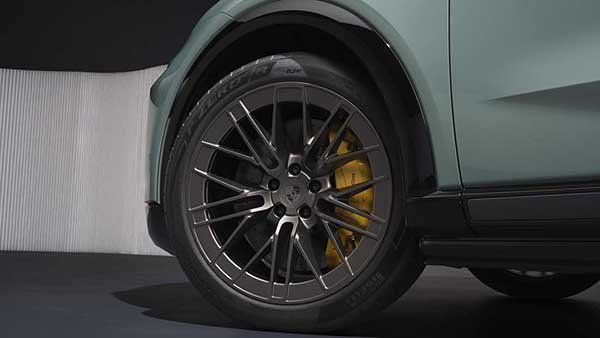
Pirelli has rolled out its latest generation of high-performance tires, introducing an advanced evolution of the iconic P Zero line designed to meet the rigorous demands of modern electric and premium vehicles. According to company announcements released during product launch cycles, the new generation incorporates cutting-edge sustainable materials and specialized compounds tailored to handle the instant torque and heavy battery weights characteristic of contemporary battery-electric cars.
Dr. Olivia Bennett, business editor at World Today Journal, notes that tire manufacturers face intense pressure to adapt as vehicle architectures shift globally. With automotive engineers racing to maximize driving range while minimizing rolling resistance, tire chemistry has become just as critical as powertrain efficiency. The latest P Zero iteration addresses these engineering hurdles head-on by utilizing virtual design modeling and advanced polymers.
Industry analysts point out that premium tire development relies heavily on motorsport data transfer. Pirelli, which maintains an exclusive supply agreement with the FIA Formula One World Championship, channels track-derived data directly into its commercial passenger car lines. This continuous feedback loop allows engineers to refine structural integrity and tread patterns faster than traditional testing methods permit.
Engineering for Heavy Electric Platforms
Modern electric vehicles exert unique stresses on rubber compounds. Instantaneous torque delivery wears down standard treads prematurely, while heavier vehicle weights demand higher load capacities without sacrificing grip or handling responsiveness. Pirelli’s new P Zero architecture integrates specialized reinforcement layers to distribute loads more evenly across the contact patch.
According to technical specifications published by the manufacturer, the updated compounds reduce rolling resistance significantly compared to previous generations. Lower rolling resistance translates directly into extended battery range for electric vehicle owners, a primary consumer concern in current global markets. Furthermore, the tire structure features noise-canceling foam technologies designed to suppress cabin resonance, addressing the noticeable absence of engine noise in EVs.
Sustainability and Material Innovation
Environmental compliance forms a core pillar of this new product cycle. Pirelli has increased its integration of certified bio-based and recycled materials within the production process, aligning with stringent European Union environmental frameworks and global corporate sustainability targets.
Third-party life-cycle assessments cited by industry watchdogs confirm that utilizing renewable polymers and recycled silica reduces the carbon footprint associated with upstream raw material extraction. These manufacturing shifts do not compromise wet-weather braking or high-speed stability, two performance metrics where the P Zero family has historically established benchmarks.
Global Market Rollout and Availability
The newly engineered P Zero variants are currently rolling out to major automotive manufacturing partners for original equipment (OE) fitments on upcoming luxury and high-performance models. Replacement market availability through authorized global distributors and certified retail networks is scheduled to expand through the coming quarters.
Vehicle owners and fleet managers seeking specific size availability, technical load ratings, or official fitment certifications can consult Pirelli’s official product portal or regional dealer networks for detailed fitment guides. Industry observers expect further technical briefings as additional automotive manufacturers certify the tires for upcoming flagship vehicle releases.
Keep reading