
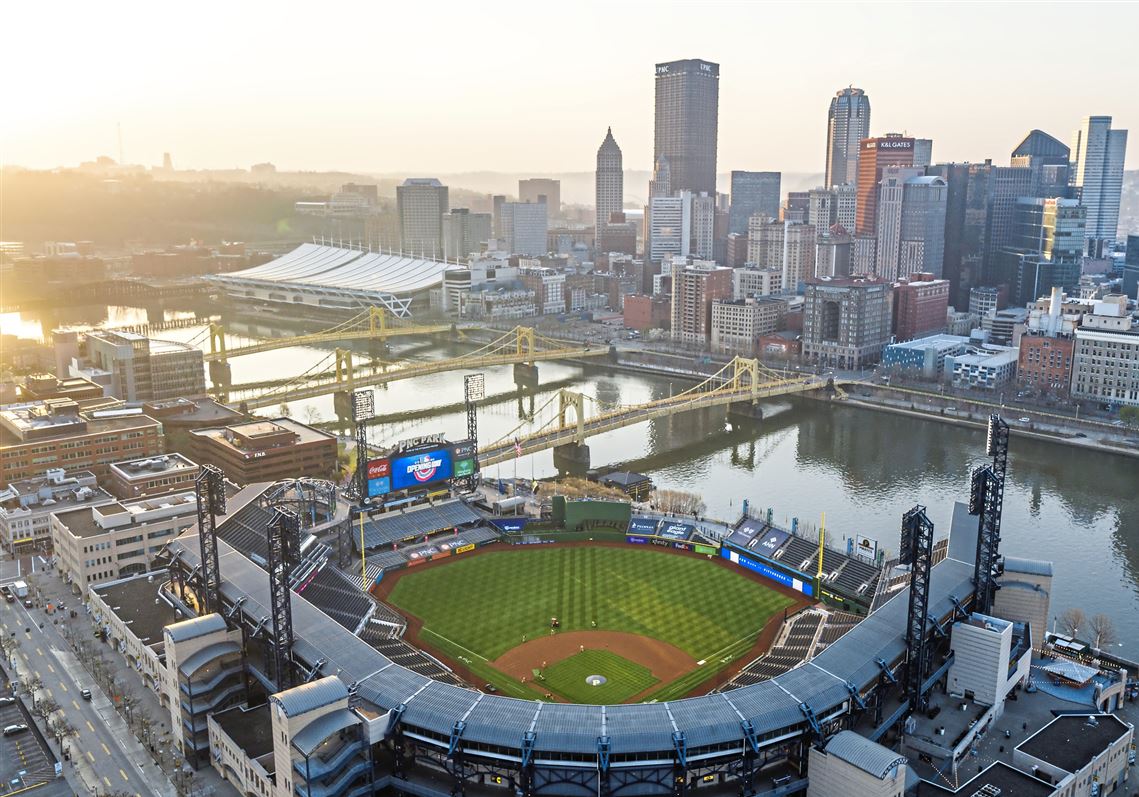
The landscape of Pittsburgh’s North Shore is poised for a significant shift as the Pittsburgh Post-Gazette prepares to return to the area in late summer 2026. This move follows a period of profound instability for the historic publication, which has faced operational challenges and a highly publicized departure from its long-time headquarters.
The return marks a pivotal moment for the newspaper, which serves as a cornerstone of Western Pennsylvania’s media ecosystem. For months, the city has watched the evolution of the paper’s physical presence on the North Shore, transitioning from the removal of iconic signage to a strategic plan for re-establishment. This shift comes amid a broader trend of media organizations restructuring their physical footprints to align with modern digital-first workflows and economic realities.
The prospect of the Post-Gazette returning to the North Shore in late summer 2026 suggests a stabilization of the company’s operational strategy. After a series of events that left the building a bare facade, the decision to maintain a presence in this specific corridor of Pittsburgh underscores the importance of the North Shore as a hub for the city’s cultural and professional identity.
A Turbulent Transition: From Closure Notices to Recovery
The path toward the late summer 2026 return has been fraught with uncertainty. Earlier in 2026, the publication faced a critical juncture when reports emerged regarding the removal of its signage from the North Shore office. These developments coincided with a WARN notice filed with the Pennsylvania Department of Labor and Industry, which indicated a planned closure that would affect 171 workers.
The Worker Adjustment and Retraining Notification (WARN) Act is a federal law designed to protect workers, their families, and communities by requiring employers to provide advance notice of plant closings and mass layoffs. The filing sparked widespread concern about the future of the 240-year-old institution, which traces its origins back to 1786, predating the U.S. Constitution.
By February 2026, the visual markers of the paper’s struggle became evident to the public. Local news outlets, including WPXI, reported that the iconic lettering had been removed from the building, leaving a bare facade. At the time, the move was interpreted as a precursor to the newspaper’s anticipated shuttering.
Strategic Scouting and the North Shore’s Appeal
Despite the bleak outlook of early 2026, the organization began scouting for new options to maintain its operational viability. Reports from mid-2025 had already indicated that the Post-Gazette was scouting for a potential new office
as it looked to move away from its long-time headquarters on the Boulevard of the All Nations.
The decision to return to the North Shore in late summer 2026 represents a strategic pivot. The North Shore is not merely a geographic location but a center of gravity for Pittsburgh’s sports, entertainment, and civic life. For a newspaper dedicated to covering the heartbeat of the city, proximity to the Steelers, Pirates, and the city’s major event venues provides an irreplaceable logistical advantage.
Industry analysts suggest that the return likely involves a scaled-down, more efficient footprint. The traditional model of massive newsrooms with sprawling printing presses has been replaced by leaner, hybrid environments that prioritize digital agility over sheer square footage. By returning to the North Shore in a new capacity, the Post-Gazette can leverage its historic brand while adopting a sustainable cost structure.
Impact on the Local Workforce and Media Landscape
The return to the North Shore is a significant development for the employees who were impacted by the previous year’s instability. While the WARN notice signaled a massive reduction in force, the move back to a physical office suggests a commitment to a permanent, albeit perhaps restructured, staff.
The media landscape in Pittsburgh has become increasingly competitive, with the Post-Gazette competing against digital natives and other regional outlets. The return to a physical base of operations in a high-visibility area serves as a signal of resilience and a declaration that the paper intends to remain a primary source of record for the region.
What This Means for the Future of the Publication
The transition back to the North Shore in late summer 2026 is more than a real estate move; it is a symbolic rebirth. For a publication that has survived the transition from hand-pressed sheets to the digital age, this move represents the latest chapter in a long history of adaptation.
Key stakeholders, including local advertisers and civic leaders, will likely view this return as a stabilizing force. A physical presence in the city center fosters better relationships with sources and allows for a more integrated approach to community journalism.
However, the success of this return will depend on the organization’s ability to monetize its content in an era of declining print subscriptions. The new North Shore presence will likely be designed to support a multi-platform strategy, blending traditional reporting with data-driven digital growth.
Key Takeaways of the North Shore Transition
- Timeline: The Pittsburgh Post-Gazette is scheduled to return to the North Shore in late summer 2026.
- Context: This follows a period of extreme volatility, including a WARN notice affecting 171 workers and the removal of building signage in early 2026.
- Strategic Goal: The move aims to balance the need for a high-visibility, centrally located presence with the economic necessity of a modernized, efficient office space.
- Historical Significance: The move ensures the continuity of a publication with a legacy dating back to 1786.
As the late summer 2026 deadline approaches, the city will be watching to see how the Post-Gazette reintegrates into the North Shore’s professional community. The next confirmed milestone will be the official announcement of the specific site and the unveiling of the new operational structure, which is expected to be detailed in upcoming corporate filings and public statements.
We invite our readers to share their thoughts on the evolution of local journalism and the importance of a physical press presence in the digital age in the comments section below.