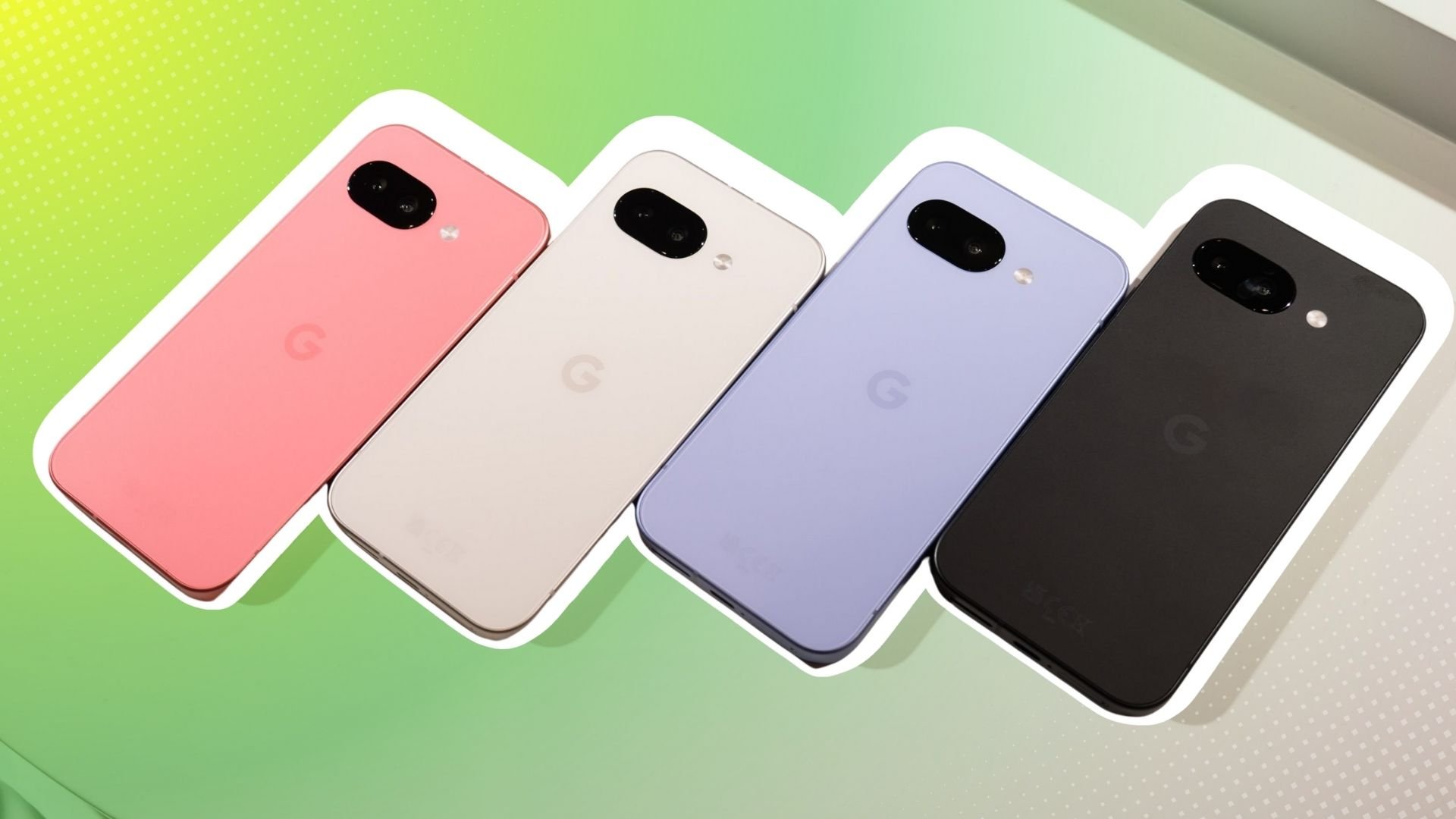
Google Discontinues Pixel Studio, Shifts Focus to Gemini and Photo Editing AI
Google is sunsetting Pixel Studio, its AI-powered image editing application launched in 2024 alongside the Pixel 9. The move signals a broader strategic shift within Google towards consolidating its generative AI features, particularly within the Gemini app and Google Photos. Whereas Pixel Studio initially offered unique capabilities like AI-driven image manipulation and sticker creation, the company is now redirecting users to alternative platforms like Nano Banana, integrated within Gemini, for similar functionality. This decision reflects a changing landscape in AI image generation, where broader accessibility and integration across multiple Google services are prioritized.
The wind-down of Pixel Studio began with version 2.2.001.864530193.00, released this week for Pixel 9 and Pixel 10 series devices. The update removes the generative AI tools that allowed users to edit images with text prompts, create custom stickers, and erase unwanted elements. The app now functions primarily as a basic image editor, offering cropping, drawing, highlighting, and text addition features – essentially replacing the previous Markup tool with a Material 3 Expressive interface. According to 9to5Google, Google intends to transition Pixel Studio users to Nano Banana within the Gemini app, providing a tool for exporting existing creations.
This isn’t simply a feature removal. it’s a strategic realignment. Google is increasingly emphasizing Gemini as a central hub for its AI capabilities. The integration of Nano Banana, a relatively recent AI image generator introduced alongside Gemini yesterday, underscores this commitment. The company is also bolstering AI features within Google Photos, recently adding the ability to automatically generate stickers from user-uploaded images – a feature already widely available on iOS. This move suggests Google is aiming for a more unified and accessible AI experience across its core applications.
From AI-Powered Creativity to Core Functionality
Pixel Studio’s initial promise lay in its ability to empower users with AI-driven image editing. The application allowed for creative experimentation, enabling users to transform photos with simple text prompts and generate unique stickers. However, the app’s limited availability – initially restricted to Pixel 9 and Pixel 10 series devices – may have hindered its widespread adoption. As reported by Android Authority, the app’s functionality is being scaled back to basic editing tools.
The core features being removed include the generative AI tools that allowed for prompt-based image editing, sticker creation, and object removal. Users will no longer be able to type a description and have Pixel Studio generate an image or modify an existing one based on that input. The focus is shifting to more traditional image editing tasks, such as cropping, drawing, and adding text overlays. This represents a significant downgrade for users who embraced Pixel Studio’s AI-powered capabilities.
Google’s decision to redirect users to Nano Banana within Gemini is a key component of this transition. Nano Banana offers similar AI image generation capabilities, but within a broader ecosystem. The company plans to provide an export tool to allow users to transfer their creations from Pixel Studio to other platforms. The rollout will be gradual, with existing Pixel Studio integrations continuing to function for the time being, ensuring a smoother transition for current users.
The Rise of Gemini and the Future of Google’s AI Strategy
The phasing out of Pixel Studio is indicative of a larger trend within Google: the consolidation of AI features under the Gemini umbrella. Gemini, Google’s multimodal AI model, is positioned as the company’s flagship AI offering, and its integration into various products – including the Gemini app and Google Photos – is a central part of Google’s strategy. This approach allows Google to streamline development, improve user experience, and offer a more cohesive AI experience across its ecosystem.
The Gemini app, in particular, is gaining prominence as a central hub for Google’s AI capabilities. The integration of Nano Banana provides users with a powerful image generation tool directly within the app. This move aligns with Google’s broader vision of making AI accessible and integrated into everyday tasks. The company is also investing heavily in AI-powered features for Google Photos, further solidifying its commitment to AI-driven image editing.
The decision to discontinue Pixel Studio may also reflect a pragmatic assessment of the app’s usage. If the app didn’t garner sufficient traction among users, maintaining and developing its unique features may not have been a sustainable investment. Focusing resources on broader, more widely used platforms like Gemini and Google Photos allows Google to maximize the impact of its AI innovations.
Pixel Studio’s Limited Availability and Supported Devices
Throughout its lifespan, Pixel Studio was not universally available across all Pixel devices. According to Google’s Pixel Phone Facilitate documentation, the app was initially limited to the following models: Pixel 9, Pixel 9 Pro, Pixel 9 Pro XL, Pixel 9 Pro Fold, Pixel 9a, Pixel 10, Pixel 10 Pro, Pixel 10 Pro XL, and Pixel 10 Pro Fold. It was also restricted to specific languages – English, German, and Japanese – and countries, including Australia, Austria, Canada, Germany, India, Ireland, Japan, Malaysia, Singapore, Switzerland, the United Kingdom, and the United States. Pixel Studio was not available in work profiles or on fully managed devices.
This limited availability likely contributed to the app’s relatively low user base. While Pixel Studio offered innovative features, its restricted access meant that many Pixel users were unable to experience them. The decision to discontinue the app may have been influenced by this limited reach, as well as the availability of more broadly accessible AI image generation tools like Nano Banana.
The shift away from Pixel Studio also highlights the evolving nature of AI technology. As AI models become more sophisticated and accessible, Google is prioritizing integration into its core products rather than maintaining standalone applications. This approach allows the company to deliver AI-powered features to a wider audience and create a more seamless user experience.
Key Takeaways
- Google is discontinuing Pixel Studio, its AI-powered image editing app, after less than two years.
- The company is redirecting users to Nano Banana within the Gemini app for similar functionality.
- This move reflects a broader strategy of consolidating AI features under the Gemini umbrella.
- Pixel Studio’s limited availability and potential lack of widespread adoption likely contributed to its discontinuation.
- Google is also enhancing AI capabilities within Google Photos, adding features like automatic sticker generation.
The transition away from Pixel Studio is expected to unfold over time, with existing integrations continuing to function for the foreseeable future. Users can anticipate further updates and enhancements to AI-powered image editing features within Gemini and Google Photos in the coming months. Google’s continued investment in AI suggests that this is just the beginning of a broader transformation in how we create and interact with images.
As Google continues to refine its AI strategy, users can expect to see even more innovative features integrated into their favorite apps. The company’s focus on accessibility and integration promises to build AI-powered tools more readily available to everyone. We will continue to monitor developments in this space and provide updates as they become available.