
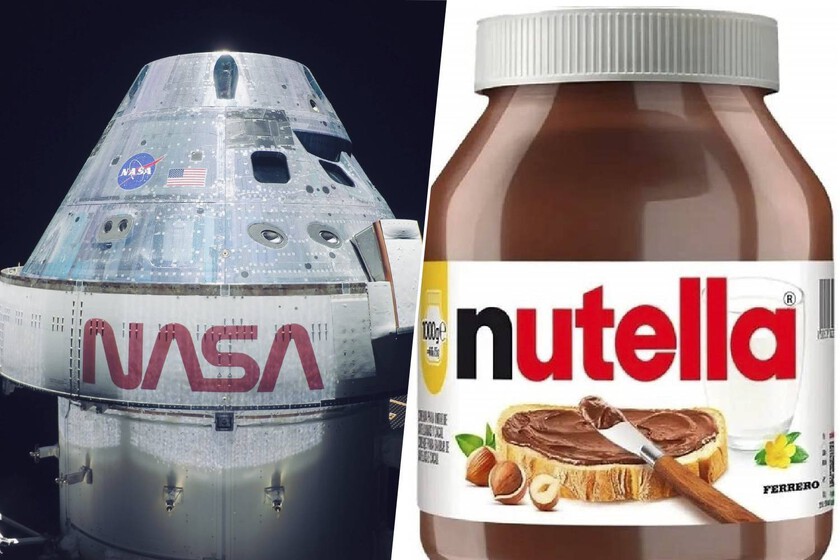
The intersection of corporate ambition and aerospace exploration often creates moments of high-profile curiosity. While recent discussions have surfaced regarding the presence of consumer goods, such as Nutella, on NASA’s Artemis II mission, these instances often spark a broader conversation about the history of commercial branding in space.
The concept of “space marketing” is not a new phenomenon. Long before the current lunar ambitions, global brands sought ways to associate their products with the prestige and innovation of space travel. One of the most notable historical examples involves Pizza Hut, which attempted to push the boundaries of delivery and brand visibility by targeting the stars.
For business analysts and economic historians, these efforts represent more than just publicity stunts; they are early experiments in experiential marketing and the pursuit of “stardom” for a brand. The drive to achieve a first-of-its-kind feat—such as delivering a product to space—serves as a powerful tool for brand differentiation in a crowded global market.
The Pizza Hut Space Ambition
In a bid to elevate its brand to an unprecedented level of visibility, Pizza Hut’s marketing teams explored the possibility of sending a pizza into space. The logic was straightforward: if such a feat could be achieved, it would signal a level of innovation and daring that would resonate globally. This effort was designed to move the brand beyond traditional advertising and into the realm of a historical event.
While the specifics of these historical marketing pushes often blend into corporate lore, they highlight the aggressive growth strategies employed by major fast-food entities. By associating their products with the frontier of human exploration, these companies aim to capture the imagination of a global audience, effectively turning a commodity product into a symbol of technological achievement.
The Role of Executive Leadership in Brand Growth
Such ambitious marketing strategies are typically driven by high-level executive direction. Within the current structure of the Pizza Hut Division, leadership is focused on maintaining brand quality and consistency. For instance, Aaron Powell serves as Chief Executive Officer of the Pizza Hut Division, reporting directly to the Yum! Brands CEO.
Complementing this leadership is the marketing arm, currently led by Chief Marketing Officer Melissa Friebe. Friebe brings extensive experience from sister brand Taco Bell, where she spent 27 years, providing a deep understanding of how to nurture a brand’s presence across diverse and challenging environments.
Managing Brand Assets and Media Integrity
As brands attempt these high-visibility stunts, the management of their intellectual property becomes critical. Pizza Hut maintains strict guidelines regarding the use of its trademarks and logos to ensure that the brand quality developed over many years remains consistent.

According to the company’s official media resources, trademarks and logos are intended for editorial use by press agencies, journalists, and students. The company prohibits the modification of the form, color, or design of its logos, and explicitly forbids the animation or distortion of its visual assets. These restrictions ensure that even when the brand is discussed in the context of extraordinary events—like space exploration—the visual identity remains professional and unaltered.
The Evolution of Innovation and Branding
The shift from traditional delivery to “stardom” marketing reflects a wider trend in the food and beverage industry. Companies are no longer competing solely on taste or price, but on the “story” they can tell. Case studies on innovation and growth often analyze how these brands leverage unconventional platforms to maintain relevance in a digital-first economy.
The desire to be the first to achieve a specific milestone—whether it is a delivery to a specific altitude or a partnership with a space agency—creates a competitive edge. This strategy transforms the consumer’s perception of the company from a service provider to a pioneer.
Key Takeaways on Space Marketing
- Brand Differentiation: Companies use high-stakes environments, like space, to differentiate themselves from competitors.
- Executive Strategy: Large-scale marketing pushes are directed by senior leadership to ensure alignment with overall corporate growth goals.
- Asset Protection: Strict trademark guidelines are essential to prevent brand dilution during high-profile media events.
- Experiential Reach: Moving beyond traditional ads into “stunts” helps brands capture global attention and a younger, tech-savvy demographic.
As space travel becomes more accessible through both government agencies and private enterprises, the potential for commercial integration continues to grow. The industry awaits further official updates regarding the protocols for commercial items on future lunar missions and the evolving guidelines for corporate partnerships in orbit.
We invite our readers to share their thoughts on the ethics and effectiveness of commercial branding in space exploration in the comments below.