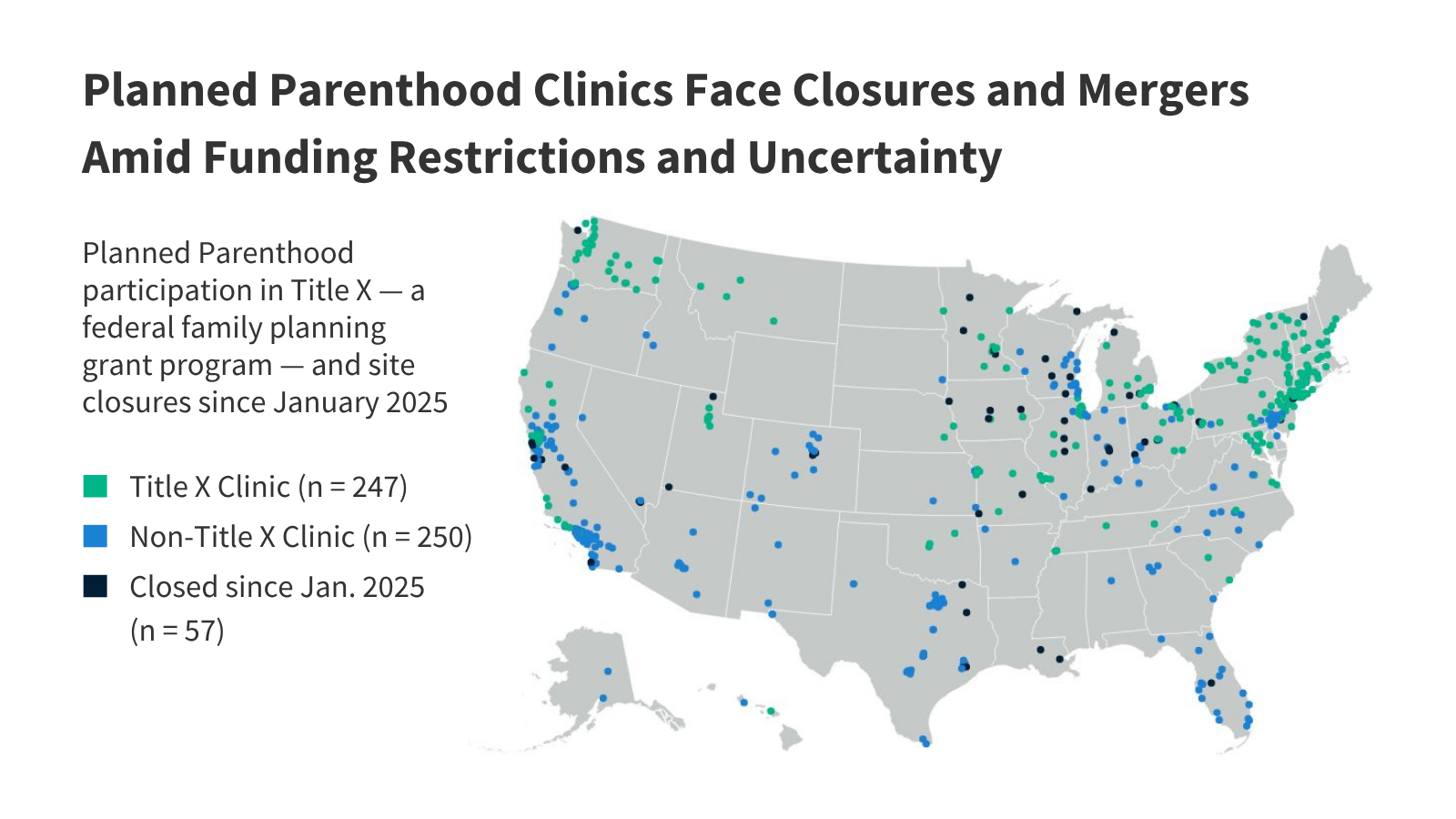
As of June 2026, the intersection of federal funding policies and the operational capacity of reproductive health providers remains a central focus of U.S. healthcare policy. Changes to the Title X family planning program and evolving legislative frameworks have significantly impacted how organizations like Planned Parenthood manage their clinical services, often resulting in complex shifts in how patients access care. Understanding these developments requires a clear look at how federal grants are administered and the subsequent impact on community health centers.
Title X is the only federal grant program dedicated solely to providing individuals with comprehensive family planning and related preventive health services. According to the U.S. Department of Health and Human Services (HHS), Title X funds are intended to support services such as contraception, pregnancy testing, and screenings for sexually transmitted infections (STIs). The administration of these funds has been a subject of intense legal and policy debate, particularly regarding whether organizations that provide abortion services are eligible to participate in the program while maintaining a separation of activities.
The regulatory environment governing these funds has undergone substantial revisions in recent years. In 2019, the Trump administration implemented a final rule that prohibited Title X-funded clinics from providing abortion referrals, a move that prompted several organizations, including Planned Parenthood, to withdraw from the program rather than comply with the new requirements. This policy shift was later reversed by the Biden administration in 2021, which issued new regulations aimed at restoring the program to its previous standards. These back-and-forth shifts have created a fluid landscape for health centers that rely on federal support to maintain their operations.
The Operational Impact on Health Centers
When clinics lose access to federal funding, the consequences for local communities can be significant. Planned Parenthood health centers, which serve as a primary source of reproductive health care for millions of low-income and uninsured individuals, have reported that funding fluctuations necessitate adjustments to their service models. According to public statements from the organization, when federal support is restricted or withheld, clinics may be forced to reduce operating hours, implement sliding-scale fee adjustments, or, in some instances, consolidate locations to maintain financial viability.
The financial pressure on these clinics is often compounded by state-level legislative actions. Several states have moved to restrict Medicaid reimbursements for providers that also offer abortion services, even if those services are funded by non-federal sources. The Supreme Court of the United States has previously declined to intervene in certain state-level efforts to exclude such providers from Medicaid programs, effectively allowing states to set their own criteria for provider participation. This has created a fragmented system where access to care varies drastically depending on the patient’s geographic location.
Title X and Federal Oversight
The Title X program operates through a network of grantees, including state health departments and non-profit organizations, which then distribute funds to sub-recipients like local clinics. The U.S. Office of Population Affairs (OPA) manages the program and establishes the requirements for grant recipients. For clinics, the primary challenge remains the administrative burden of ensuring compliance with shifting federal guidelines while continuing to serve a patient population that often faces barriers to care, such as lack of transportation or limited health insurance coverage.
For patients, these policy changes manifest as direct hurdles to accessing routine services. Data from the Guttmacher Institute, a research organization that tracks reproductive health policy, has consistently shown that when clinics withdraw from the Title X network or close entirely, patient volume at remaining facilities often drops, and the number of individuals receiving subsidized contraceptive services declines. This impact is disproportionately felt in rural or underserved areas where alternative providers may not be readily available.
Looking Toward Future Developments
The future of reproductive health funding remains tied to ongoing litigation and potential congressional action. Legal challenges regarding the scope of federal authority to regulate family planning programs continue to move through the court system. For instance, the federal judiciary often hears cases concerning the interpretation of the Public Health Service Act, which established the Title X program. These court rulings provide the legal boundaries within which the executive branch must operate when drafting future regulations.
Patients and providers looking for the most current information regarding clinic availability and service coverage should consult official resources. The U.S. Department of Health and Human Services maintains an online locator for Title X-funded clinics, which is regularly updated to reflect current program participants. Additionally, state health departments often publish notices regarding changes to state-administered family planning programs or Medicaid eligibility criteria.
As the political and legal landscape continues to evolve, the ability of organizations to provide care will remain dependent on the interplay between federal grant guidelines and state-level policy decisions. We will continue to monitor the status of pending court cases and any new guidance issued by the Office of Population Affairs. Readers who have experienced changes in local clinic services are encouraged to share their experiences in the comments section below, as we continue to track how these national policy shifts affect local health outcomes.
Keep reading