Breaking teh Plastic Cycle: A novel Mechanochemical Approach to PET Recycling
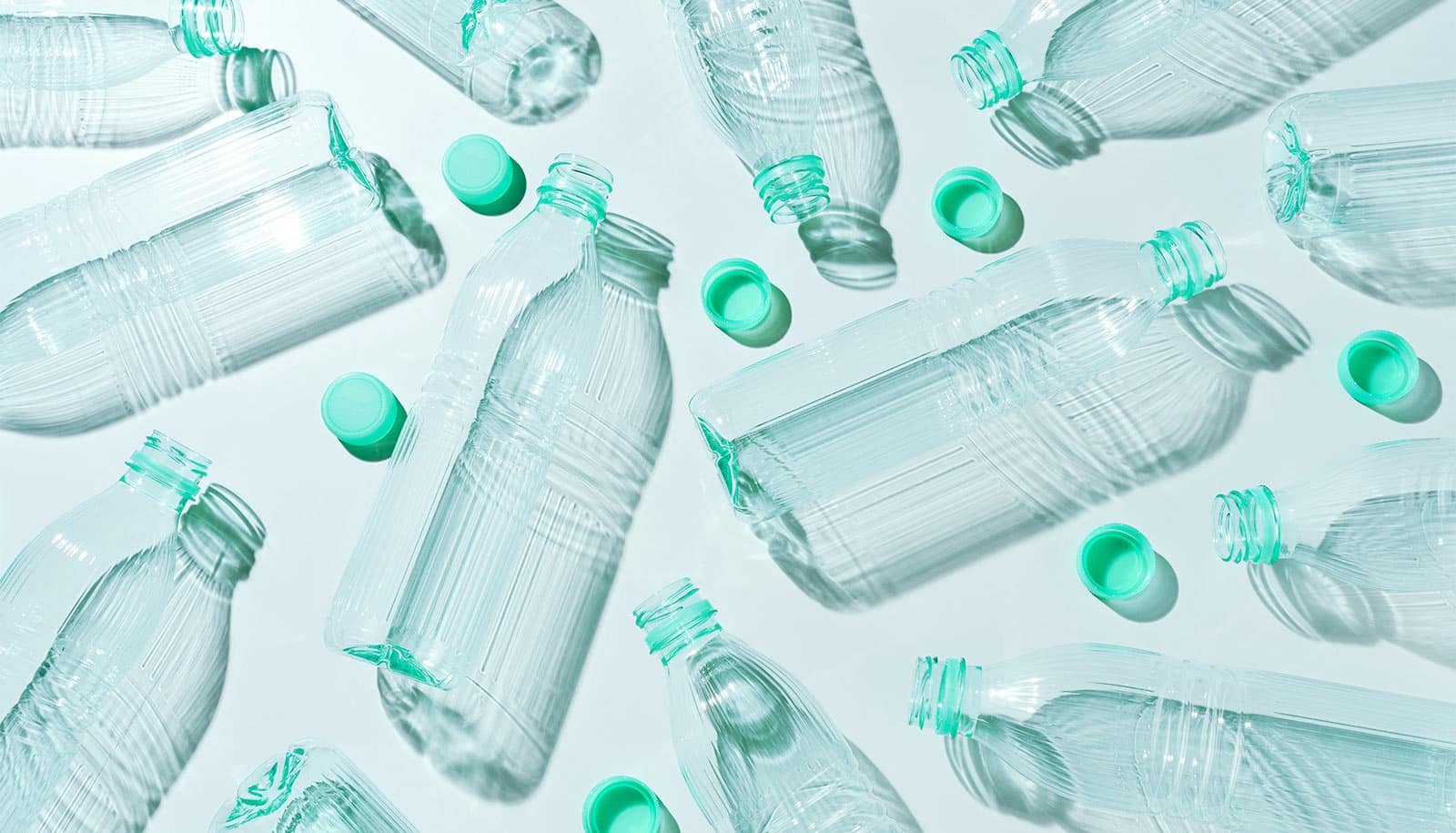
For decades, the durability and versatility of polyethylene terephthalate (PET) – found in everything from water bottles to clothing - have made it a cornerstone of modern life. However, that very resilience presents a significant environmental challenge: PETS resistance to natural degradation means it persists in landfills and ecosystems for centuries. While PET is recyclable, current methods often fall short, leading to downcycling (transforming PET into lower-quality products) or, ultimately, disposal. Now, groundbreaking research from Georgia Tech is offering a potentially transformative solution: a mechanochemical process that rapidly and efficiently breaks down PET into its original building blocks, paving the way for truly circular plastic recycling.
The Challenge with PET Recycling - and Why This Matters
PET’s robust chemical structure, the same characteristic that makes it so useful, is also the root of its recycling difficulties. Traditional recycling often relies on energy-intensive processes involving high heat and harsh chemicals. These methods can be costly, environmentally damaging, and often result in a lower-quality recycled product. The sheer volume of PET produced globally – millions of tons annually – exacerbates the problem, contributing significantly to plastic pollution and threatening ecosystems worldwide. Addressing this challenge isn’t just an environmental imperative; it’s a crucial step towards a enduring future.
Harnessing the Power of Impact: A New Mechanochemical Recycling Method
Published in the prestigious journal Chem, the Georgia Tech research, led by postdoctoral researcher Kinga Gołąbek and Professor Carsten Sievers, details a revolutionary approach to PET depolymerization. Instead of relying on heat or solvents, the team utilized a “mechanochemical” method – triggering chemical reactions through mechanical force.
Their innovative process involves subjecting solid pieces of PET to controlled impacts from metal balls within a ball mill. This seemingly simple action generates enough localized energy to break the plastic’s chemical bonds at room temperature,even in the presence of readily available and less hazardous chemicals like sodium hydroxide (NaOH).
“We’re demonstrating that mechanical impacts can decompose plastics into their original molecules in a controllable and efficient way,” explains Professor Sievers. “This has the potential to fundamentally change how we approach plastic recycling, making it a far more sustainable process.”
Unlocking the Science: How Mechanical Force Drives Chemical Change
The research wasn’t simply about observing the breakdown of PET; it was about understanding the underlying mechanisms.The team employed a combination of controlled single-impact experiments and refined computer simulations to meticulously map the distribution of energy during collisions.
their findings revealed a fascinating interplay between energy, structure, and chemistry. Each impact creates a microscopic crater, concentrating energy at the point of contact. This localized energy causes the PET to stretch, crack, and slightly soften, creating ideal conditions for chemical reactions with sodium hydroxide.Importantly, even without the addition of chemicals, the mechanical force alone initiates minor chain breaking within the plastic.
High-resolution imaging and spectroscopy further illuminated the process. The normally ordered polymer chains within the PET become disordered in the crater center,and some chains fragment,dramatically increasing the surface area available for reaction. This detailed understanding allows for precise control and optimization of the process.
“Understanding this energy threshold allows engineers to optimize mechanochemical recycling, maximizing efficiency while minimizing unnecessary energy use,” Sievers clarifies.
From Lab to Industry: The Future of plastic Recycling
The implications of this research are far-reaching. By effectively “unzipping” PET back to its original monomers,this method allows for the creation of virgin-quality plastic from recycled materials - a true closed-loop system. This contrasts sharply with current downcycling practices, which inevitably degrade the material’s properties over time.
Gołąbek emphasizes the potential impact: “This approach could help close the loop on plastic waste. We could imagine recycling systems were everyday plastics are processed mechanochemically, giving waste new life repeatedly and reducing environmental impact.”
The Georgia Tech team is now focused on scaling up the process,testing its effectiveness on real-world waste streams,and exploring its applicability to other challenging-to-recycle plastics. Their ultimate goal is to translate this laboratory breakthrough into a commercially viable and environmentally responsible recycling solution.
The Promise of a Sustainable Future
This innovative mechanochemical approach represents a significant leap forward in the quest for sustainable plastic recycling. By harnessing the power of mechanical energy, we can move beyond the limitations of traditional methods and create a future where plastic waste is no longer a burden on our planet, but a valuable resource.
Source: [https://newsgatechedu/news/2025/10/10/new-method-uses-collisions-break-down-plastic[https://newsgatechedu/news/2025/10/10/new-method-uses-collisions-break-down-plastic[https://newsgatechedu/news/2025/10/10/new-method-uses-collisions-break-down-plastic[https://newsgatechedu/news/2025/10/10/new-method-uses-collisions-break-down-plastic
Worth a look