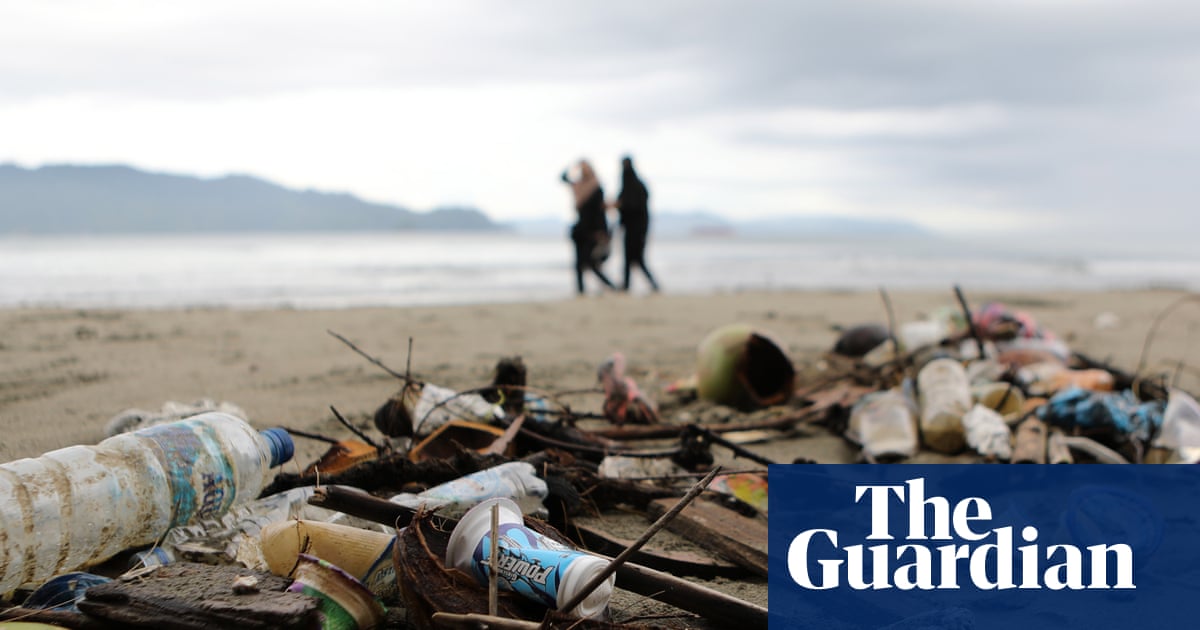
The Looming Plastic Crisis: A Threat to Health, Surroundings, and Climate – and How We Can Turn the Tide
The world is facing a plastic pollution crisis of escalating proportions.A new report paints a stark picture: without drastic intervention,plastic production is poised for a 52% surge by 2040,overwhelming already strained waste management systems and unleashing a cascade of negative consequences for human health,wildlife,and the planet’s climate.But the report doesn’t just highlight the problem; it offers a roadmap for a solution,demonstrating that a near-total elimination of plastic pollution from packaging is within our reach.
A Rapidly Worsening Problem
Currently, global plastic production stands at 450 million tonnes annually. Projections indicate this will balloon to 680 million tonnes by 2040. This isn’t simply a waste management issue; it’s a systemic failure. Waste management infrastructure is already struggling to keep pace, and the sheer volume of plastic being produced is accelerating the problem.
The consequences are far-reaching.The report details a grim reality:
* Human Health Impacts: Exposure to plastic – from everyday items like toys to proximity to petrochemical plants – is linked to a growing list of health concerns. Plastic contains over 16,000 intentionally added chemicals, alongside countless unintended contaminants. These chemicals are associated with hormone disruption, reduced fertility, developmental issues in children, increased risk of diabetes, cardiovascular problems, and even cancer.
* Environmental Devastation: Increased plastic pollution directly harms ecosystems. Animals suffer from ingestion and entanglement, leading to illness, injury, and death.Land, water, and air quality are all degraded by the production and disposal of plastic.
* Climate Change Acceleration: The plastic lifecycle is heavily reliant on fossil fuels. The global plastic system currently generates 2.7 gigatonnes of CO2 equivalent (GtCO2e) annually. This figure is projected to rise to 4.2 GtCO2e by 2040 - a 58% increase. If plastic production were a nation, it would be the third-largest emitter of greenhouse gases globally, surpassing all but China and the united States.
Packaging: The Primary Culprit
While all plastic sources contribute to the problem, the packaging sector is the dominant driver of increased production.In 2025, packaging accounted for more plastic use than any other industry, and this trend is expected to continue through 2040. A staggering 33% of global plastic waste originates from packaging – equating to 66 million tonnes of pollution entering the environment each year. Much of this packaging is designed for single-use, with limited recyclability.
A Path forward: Dramatic Reduction is absolutely possible
The good news is that this trajectory isn’t inevitable. The report, spearheaded by the Pew Foundation, outlines a series of interventions that could dramatically reduce plastic pollution. The key lies in a two-pronged approach:
- Revolutionizing packaging systems: The most impactful solutions center around rethinking how we package goods.
* Reuse and Return Systems: Implementing deposit return schemes and encouraging the use of refillable containers (like cups and boxes) could eliminate two-thirds of packaging pollution. This shifts the model from disposable to circular.
* Material Substitution: Replacing plastic with alternative materials like cardboard, glass, and metal offers a important reduction in pollution.
* Polymer Bans: Targeted bans on problematic polymers – those tough to recycle or especially harmful to the environment - can further curb pollution.
- Reducing Plastic Production: Simply managing waste isn’t enough. We need to decrease the amount of plastic being produced in the first place, particularly for packaging applications.
Combined, these strategies could cut plastic pollution by a remarkable 97% within the next 15 years.
The economic and Health Benefits of action
The benefits of tackling the plastic crisis extend beyond environmental protection.The report estimates that these interventions could save governments globally $19 billion (£14 billion) annually by 2040 in plastic collection and disposal costs. Furthermore, reducing plastic pollution would led to:
* A 38% reduction in greenhouse gas emissions.
* A 54% advancement in human health outcomes.
A Call to Action
“Hope remains,” says Tom Dillon of the Pew Charitable Trusts. “The global community can remake the plastic system and solve the plastic pollution problem in a generation, but decision-