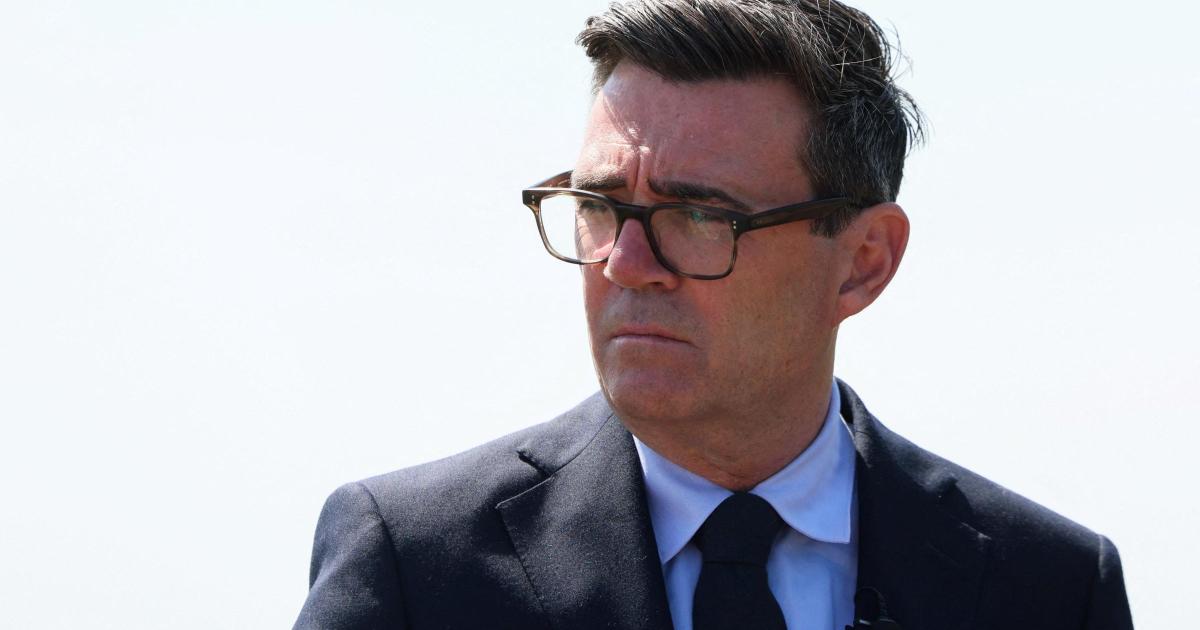
Prime Minister Andy Burnham begins a national tour across the UK in August 2026, entering “listening mode” to shape a 10-year national plan. The rollout follows initial financial interventions, including energy VAT cuts and transport fare caps, amid fierce political pushback over high street taxes and prisoner early release schemes.
Prime Minister Andy Burnham is hitting the road for a nationwide tour throughout August 2026, positioning himself in listening mode
to gather direct public input on the cost of living and local community concerns, Downing Street confirmed.
The summer travel schedule is designed to feed directly into a 10-year plan aimed at bringing hope and making Britain better off across the UK’s nations and regions, according to officials. Having promised breathing space
during his initial weeks in office, the administration is preparing a fresh tranche of pro-consumer protections intended to rein in everyday expenses.
Energy Cuts, Fare Caps, and the First Weeks in Downing Street
The upcoming tour builds on an initial flurry of policy rollouts following the change of leadership in Downing Street. Among the early actions was an £850 million tax cut on electricity bills, set to remove VAT from domestic electricity bills starting October 1st and save households roughly £45 per year.
In addition to the energy adjustment, the government instituted targeted business rate reductions for pubs, clubs, and live music venues, alongside a £2 cap on bus fares enacted during Burnham’s first week in power. Officials maintain that these moves represent concrete steps to ease household budgets, even as inflation remains elevated due to the lingering economic fallout of the Iran conflict.
Public anxiety regarding prices is reflected in polling data. A survey published by Ipsos at the end of July showed that 30% of respondents named the economy as a primary concern, while 22% specifically singled out inflation and living costs.
High Street Revitalisation and the Debate Over Business Rates
A central pillar of the Prime Minister’s summer engagement tour is the economic health of local high streets. Downing Street stated that the administration intends to tackle everyday hassles, like hidden pricing and consumers being ripped off.
Retail expert and high street advocate Clare Bailey argued that overhauling the commercial property tax system is essential for any genuine recovery, noting that the current framework was conceived before the dominance of online retail. You need your anchor stores — the big retailers that pull people into places — but you also need independents to give the personality to the high street,
Bailey said, explaining that the current system requires rebalancing rather than outright cuts so that remote warehouse operations pay a fair share compared to tax-burdened physical storefronts.
Opposition figures, however, have dismissed the tour as political maneuvering.
Political Opposition and Parliamentary Pushback
Political rivals have met the Prime Minister’s announcements with skepticism, characterizing the measures as superficial tinkering while pressing the government on fiscal discipline and public safety.
“This is breathtaking hypocrisy from Burnham… they are forcing businesses to close, destroying jobs and driving up prices for the public.”
Mel Stride, Shadow Chancellor
Stride added that tax hikes and administrative red tape are actively hammering high streets. Reform UK economic spokesman Robert Jenrick echoed these concerns, urging the government to scrap green levies on energy bills, rule out additional tax rises in the upcoming October Budget, and reduce the national benefits bill to relieve pressure on working families.
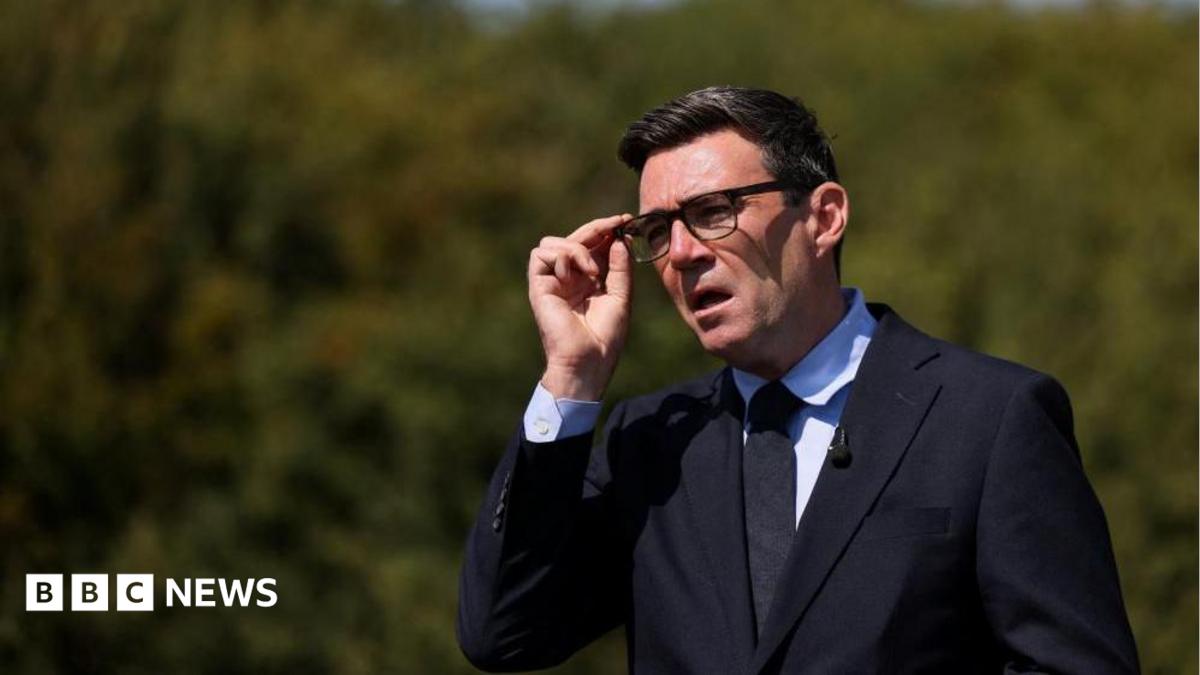
Simultaneously, the administration faces persistent political vulnerability over its planned prison early release scheme scheduled for October. Although Burnham ordered a review upon taking office that limited the range of people who would be eligible, individuals convicted of manslaughter—including two killers of PC Andrew Harper—remain eligible due to severe capacity limits across English and Welsh correctional facilities. Despite appeals from opposition lawmakers, former police officials, and the Harper family to block their release, Downing Street affirmed that the administration’s position on the capacity constraints remains unchanged.
Related reading